How to boost dopamine levels naturally
Have you been feeling like you are stuck in a rut, or struggling to find motivation, even for things you used to enjoy?
Thank you for reading this post, don't forget to subscribe!You may be experiencing signs of low dopamine. So in this post I discuss how to boost dopamine levels naturally, to help boost mood and motivation and your overall energy levels.

When you have low dopamine levels, you may feel constantly tired, distracted, or overwhelmed, like your brain just won’t switch on.
You might find that even though you have goals, you just have no motivation to work on them.
You might even reach for junk food, caffeine, or social media to get a quick boost—only to crash even harder later.
These are all signs of low dopamine.
What is Dopamine?
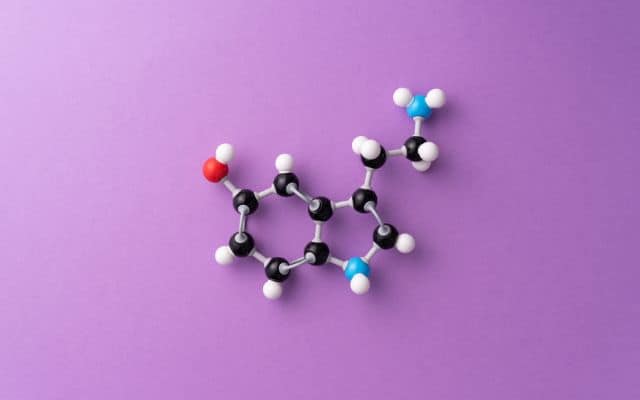
Dopamine is your brain’s feel-good, get-things-done neurotransmitter.
Dopamine fuels your drive, pleasure, focus, learning, sense of reward, and movement (source).
When dopamine is depleted, everything feels like an uphill battle, and you struggle to do the simplest daily activities.
Your motivation and joy suffer.
When dopamine levels are balanced, you feel energized, motivated, and ready to tackle challenges.
But when levels are low? You might struggle with fatigue, lack of motivation, brain fog, and even depression.
But here’s the good news—you can naturally boost dopamine and reclaim your energy, motivation, and mental clarity.
You can naturally boost dopamine through simple lifestyle changes.
So in this guide, we’ll explore what causes low dopamine and how to increase it naturally—no quick fixes, just science-backed strategies that work.
What Causes Low Dopamine?
Before fixing the problem, it helps to understand the root causes of dopamine depletion, or dopamine deficiency.
Lifestyle & Environmental Factors
Chronic Stress – High cortisol levels block dopamine production.
Lack of Sleep – Sleep deprivation throws neurotransmitters out of balance.
Sedentary Lifestyle – Movement stimulates dopamine release, so too much sitting can lower levels.
Overstimulation (Social Media & Junk Food) – Quick dopamine spikes lead to crashes.
Poor Diet & Nutrient Deficiencies
- Low Protein Intake – Dopamine is made from tyrosine and is found in protein-rich foods.
- Deficiencies in Key Nutrients – Magnesium, vitamin D, iron, and omega-3s are essential for dopamine production.
- Too Much Processed Sugar & Caffeine – Temporary highs lead to long-term depletion.
Medical & Mental Health Conditions
Parkinson’s Disease is a neurological condition where dopamine-producing neurons decline.
Depression & ADHD are often linked to dopamine imbalances.
How to Boost Dopamine Levels Naturally
1. Eat Dopamine-Boosting Foods
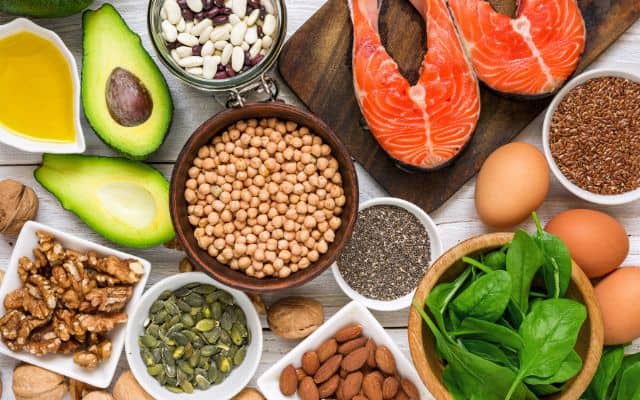
Your diet directly affects dopamine levels. The best way to ensure adequate dopamine in the brain is to eat foods known as the building blocks of dopamine.
These are foods that are rich sources of tyrosine and magnesium, happy gut foods, and omega-3-rich foods.
So it is important to include foods such as the following:
-
Protein-Rich Foods – Lean meats, eggs, tofu, lentils, beans
-
Tyrosine-Rich Foods – Bananas, almonds, avocados, sesame seeds
-
Dark Chocolate – Contains phenylethylamine, which supports dopamine production
-
Fermented Foods – Yogurt, kimchi, sauerkraut (supports gut health, which is linked to dopamine)
-
Omega-3-Rich Foods – Salmon, walnuts, flaxseeds
-
Magnesium & Zinc Sources – Pumpkin seeds, spinach, cashews
Equally important, avoid unhealthy foods such as the following:
- Processed foods
- Artificial sweeteners
- Excessive caffeine
- Sugar overload (they hijack dopamine and lead to crashes).
2. Move your body

Exercise isn’t just good for your body—it’s a powerful natural stimulant for your brain.
A 2021 systematic review found robust evidence that physical activity increased dopamine and recommended movement as a way to improve mental health.
Physical movement directly impacts dopamine levels, increasing both dopamine release and receptor availability.
Here’s exactly how it works:
Exercise Triggers Dopamine Release
- When you engage in moderate to intense exercise, your brain releases dopamine as a reward. This is part of the body’s evolutionary mechanism—our ancestors needed motivation to hunt, gather, and survive, so movement became linked with pleasure and reinforcement.
Best types of exercise for dopamine release:
- Aerobic workouts (running, cycling, swimming)
- Dancing (engages both movement and emotional expression)
- Rebounding (mini-trampoline exercises)
- Jump rope or high-intensity interval training (HIIT)
Exercise Increases Dopamine Receptor Sensitivity
- It’s not just about producing dopamine—your brain also needs to use it efficiently. Regular exercise increases dopamine receptor density, meaning your brain becomes more responsive to dopamine, making you feel more motivated and energized even outside of workouts.
Movement Helps Reduce Dopamine Resistance
- Modern lifestyles—especially excessive screen time, processed foods, and stress—can lead to dopamine resistance (where your brain becomes less sensitive to dopamine). This makes it harder to feel motivated by everyday tasks. Exercise helps by resetting the dopamine system, making small, daily rewards feel fulfilling again.
Exercise Enhances Dopamine Pathways Over Time
- Consistent movement doesn’t just give you a temporary dopamine boost—it rewires your brain for long-term motivation. Research shows that habitual exercisers have higher baseline dopamine levels, making them more resilient to stress and less prone to depression.
How to stay consistent with exercise:
- Start with 10-minute sessions and build up
- Choose an activity you genuinely enjoy
- Pair movement with music, podcasts, or a workout buddy
- Create a dopamine reward system (e.g., after a workout, treat yourself to a delicious smoothie or a relaxing shower)
Daily Movement Matters—Even Small Activities Count!
- You don’t need to spend hours at the gym to benefit from dopamine-boosting movement. Short bursts of activity throughout the day—even stretching, taking the stairs, or dancing to a song—can help keep dopamine levels stable.
Quick dopamine-boosting movement ideas:
- Take a 5-minute dance break
- Stretch or do jumping jacks between tasks
- Walk around the block after meals
- Use a standing desk and shift positions throughout the day
2. Prioritize Sleep
Sleep and dopamine have a bidirectional relationship—dopamine helps regulate sleep-wake cycles, and quality sleep ensures healthy dopamine production.
When you don’t get enough sleep, dopamine receptors become less effective, leading to fatigue, low motivation, poor focus, and mood imbalances.
A. Dopamine Regulates the Sleep-Wake Cycle
Dopamine plays a key role in wakefulness by interacting with the suprachiasmatic nucleus (SCN), the brain’s internal clock.
In the morning, dopamine levels rise naturally, helping you feel alert.
At night, dopamine levels decrease, allowing melatonin (the sleep hormone) to increase and promote rest.
A study in Neuropsychopharmacology found that dopamine levels and release in the ventral striatum fluctuate in a circadian fashion.
This diurnal dopamine release research finds, is crucial for maintaining wakefulness and alertness during the day.
Poor sleep disrupts this cycle, leading to:
- Lower dopamine production the next day
- Reduced dopamine receptor sensitivity, making it harder to feel pleasure or motivation
- Increased stress hormones (like cortisol), which further deplete dopamine
B. Sleep Deprivation Lowers Dopamine Availability
Even one night of bad sleep can significantly impact dopamine.
Sleep deprivation reduces the number of available dopamine receptors, making it harder for dopamine to bind and exert its effects.
found that after just one night of sleep deprivation, dopamine receptor availability in the striatum significantly dropped, leading to fatigue and cognitive impairments.
Signs of dopamine depletion due to lack of sleep:
- Morning, brain fog and slow thinking
- Low motivation and apathy
- Increased cravings for junk food (due to altered reward processing)
- Reduced ability to focus
C. REM Sleep is Critical for Dopamine Restoration
Dopamine levels are restored primarily during REM sleep—the deep sleep stage essential for cognitive function and emotional regulation.
If you’re not getting enough REM sleep, your brain fails to replenish dopamine, leading to long-term depletion.
Research in “Neuropsychopharmacology” found that REM sleep deprivation reduces dopamine signaling in the brain, contributing to depression-like symptoms and lack of motivation.
D. Tips to Improve Sleep and Boost Dopamine Naturally
To optimize dopamine production, focus on deep, high-quality sleep with these strategies:
-
Stick to a consistent sleep schedule – Going to bed and waking up at the same time supports dopamine’s natural rhythm.
-
Limit blue light exposure at night – Screens suppress melatonin and disrupt dopamine balance. Try blue light-blocking glasses or night mode on devices.
-
Avoid caffeine and stimulants late in the day – Caffeine interferes with dopamine receptors and delays sleep.
-
Create a bedtime routine – Relaxing activities like reading, meditation, or gentle stretching signal your brain to wind down.
-
Get morning sunlight exposure – Sunlight in the morning helps regulate dopamine and reinforces a healthy circadian rhythm.
3. Sunshine exposure
Low light exposure, such a happens in the colder winter months, may cause mood issues such as SAD- seasonal affective depression.
And research shows exposure to light may improve dopamine levels. According to a research study in psychopharmacology, people with high sunlight exposure had more striatal dopamine receptors than those with low sunlight exposure.
Of course, you must always exercise caution with sun exposure to avoid the adverse effects of UV rays, such as sunburn and cancer. Be sure to wear a good SPF sunscreen.
If you live in a low-sunlight area or experience winter blues:
- Use a light therapy lamp (10,000 lux for 20–30 minutes in the morning)
- Take a vitamin D supplement (deficiency is linked to lower dopamine levels)
- Go outside whenever possible, even if it’s cloudy( wear sunscreen).
4. Practice mindfulness and meditation
Meditation and mindfulness calm the mind and may also boost your dopamine levels.
This may explain the jpy and contentedness seen in people who meditate or practice mindfulness.
A 2002 study in Cognitive Brain Research foiund that there was increased dopamine release during Yoga Nidra meditation.
Per the study, this may be due to the loss of executive function during this meditative state.
Mindfulness helps lower stress, regulate emotions, and prevent dopamine depletion.
-
Try:
- Deep breathing exercises
- Meditation (even 5–10 minutes a day can help)
- Gratitude journaling (writing down 3 things you’re grateful for)
If you need more help with journaling, see the following journaling ideas:
Journal prompts for mental health
45 Journal prompts for anxiety
Best journal prompt for when you feel lost in life
5. Mind your gut health

There is now a lot of scientific evidence that there is a connection between the gut and the brain, with an ongoing communication through the vagus nerve.
This connection is known as the gut-brain axis.
Research shows that a gut dysbiosis or disturbance in the balance of the gut bacteria affects various neurotransmitters such as serotonin, GABA, and dopamine.
So, taking care of your gut health and eating probiotic-promoting foods may help boost dopamine levels. Yogurt, Kimchi, and other fermented foods are great for gut health.
6.Supplement wisely
Several vitamins and supplements can help support dopamine production, balance, and receptor sensitivity.
These work either by providing the building blocks of dopamine, supporting neurotransmitter synthesis, or improving brain function and mood regulation.
Here’s a breakdown of some of the best dopamine-boosting vitamins and supplements:
Vitamin D: Vitamin D plays many roles in the body.
And although it is called a vitamin, vitamin D is a prohormone that has far-reaching effects in the body and is crucial for neurotransmitter synthesis and function, including dopamine.
A 2016 research in Neuroscience found that vitamin D is directly involved in the expression of dopaminergic genes.
Another 2023 study found that developmental vitamin D is important in dopaminergic neurogenesis and differentiation.
Additionally, this study found developmental vitamin D deficiency was associated with disorders linked to abnormal dopamine signaling, such as schizophrenia.
According to the same study, vitamin D is a mediator of dopaminergic development.
B vitamins: All B vitamins contribute to neurotransmitter synthesis and function in various capacities(source).
Vitamin B 6, which is involved in amino acid metabolism, is crucial for the synthesis of neurotransmitters- dopamine, serotonin, and GABA (source).
A study in Neurology also found an association between B6 intake and decreased Parkinson’s disease incidence (Dopamine is implicated in Parkinson’s disease).
Additionally, a BCM Neuroscience study found that vitamin B2 and B6 administration had an anti-oxidative neuroprotective effect that enhanced dopamine and serotonin metabolism. However, further studies are needed.
Research also shows that folate or vitamin B9 is necessary for the production of monoamine neurotransmitters such as serotonin, epinephrine, and dopamine.
Iron: Iron also contributes to dopamine synthesis because it acts as a cofactor in a reaction where tyrosine is converted to dopamine, research shows.
So if you tend to be iron deficient, you may need a supplement to keep your dopamine levels and function optimal.
But always talk to your medical provider before taking an iron supplement, as too much can be toxic.
Of course, it’s always better to eat foods high in iron.
Magenium: Magnesium deficiency is common and can lead to many health problems, including issues with mental health. Magnesium supplementation may also improve dopamine functions study shows.
A 2008 animal study also found that magnesium supplementation improved depression like symptoms, which improved with magnesium supplementation.
This was attributed to magnesium’s interaction with dopamine receptors as well as other neurotransmitter receptors.
Probiotics: You might be surprised to learn that your gut plays a powerful role in regulating dopamine, and probiotics can help!
The gut and brain communicate constantly through the gut-brain axis, a two-way highway involving the vagus nerve, immune signals, and neurotransmitters.
In fact, certain beneficial gut bacteria are capable of producing dopamine themselves or stimulating its production indirectly.
A 2022 Biomedic study states that microbiota play a significant role in maintaining adequate dopamine levels through an intricate bidirectional communication -“The microbiota-gut-brain axis.”
When your gut microbiome is healthy and diverse, it supports the production of key mood-regulating chemicals, including dopamine.
On the flip side, an imbalance in gut bacteria (called dysbiosis) can lead to inflammation, low dopamine activity, and mood disturbances like anxiety and low motivation.
Probiotic-rich foods like yogurt, kefir, kimchi, and sauerkraut, or high-quality probiotic supplements, may help boost dopamine indirectly by:
-
Reducing inflammation that impairs dopamine function
-
Supporting dopamine precursor availability (like tyrosine)
-
Enhancing gut health and nutrient absorption is needed for neurotransmitter synthesis.
It’s best to eat gut-healthy probiotics, nourishing foods, but that is not always possible, so a supplement may be necessary.
It is essential to supplement, especially if you have been taking antibiotics, which deplete even the good gut bacteria.
Conclusion
If you are feeling low, unmotivated, or no longer enjoying the things you used to, dont suffer in silence.
See your healthcare provider to eliminate other health issues and to check for certain deficiencies.
See a mental health care professional as well for support and guidance, and implement these tips to boost dopamine levels.
In so doing, you will boost dopamine levels as well as other feel-good neurotransmitters and general health.
See these related posts as well:
14 Supplements that boost mood naturally
20 Best superfoods for brain health