21 Signs of Zinc deficiency You Should Never Ignore
Zinc is one of those quiet but essential nutrients that plays a role in immune health, skin repair, hormone balance, and even taste and smell.
Thank you for reading this post, don't forget to subscribe!And as such, there are many signs of zinc deficiency.
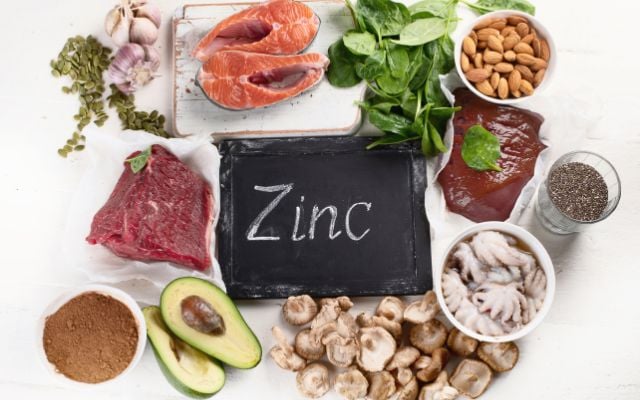
And according to research, 73% of Americans do not meet the daily zinc requirements.
And because zinc is involved in so many body systems, a deficiency can show up in subtle ways at first, then become more noticeable over time.
The challenge is that many of these symptoms overlap with other nutrient deficiencies, so looking at the bigger picture matters.
The Role of Zinc in the Body
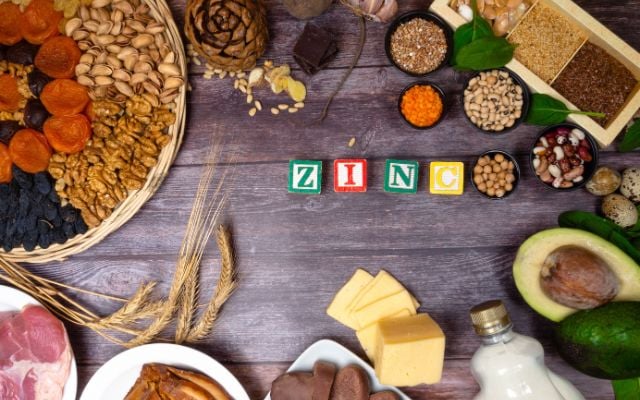
Zinc is an essential trace mineral, meaning your body needs only small amounts, but those amounts are critical for proper function.
It plays a role in over 300 enzymatic reactions and supports nearly every major system in the body, including immune health, skin repair, hormone balance, digestion, and brain function.
Signs and symptoms of zinc deficiency
Susceptibility to infections

One of zinc’s most important roles is supporting the immune system.
Zinc helps regulate inflammation, supports white blood cell activity, and plays a key role in fighting viruses and bacteria.
Low zinc levels have been linked to increased susceptibility to infections, slower recovery time, and weakened immune response.
Unhealthy skin and slow-healing wounds
Zinc is also essential for skin health and wound healing.
It supports collagen formation, tissue repair, and helps maintain the integrity of the skin barrier.
This is why zinc deficiency is often associated with slow wound healing, rashes, acne-like breakouts, and irritated skin around the mouth and nose.
Hormone imbalance

Hormone balance is another major area where zinc plays a role. Zinc helps regulate thyroid function, supports insulin activity, and is involved in reproductive hormone production.
In men, zinc is particularly important for testosterone production and sperm quality.
In women, zinc supports ovulation, hormone signaling, and overall reproductive health.
Zinc also plays an important role in taste and smell.
It is required for the function of taste buds and olfactory receptors, which is why one of the hallmark signs of deficiency is reduced taste or smell.
Appetite regulation is also influenced by zinc, which may explain why deficiency can lead to reduced appetite or unintended weight changes.
Brain health and cognitive function also depend on adequate zinc levels.
Zinc helps regulate neurotransmitters, supports memory, and plays a role in mood stability.
Low levels have been associated with irritability, difficulty concentrating, and low mood in both children and adults.
Zinc is also necessary for proper growth and development. It supports cell division, DNA synthesis, and protein production.
This makes it especially important during pregnancy, childhood, and adolescence, when the body is rapidly growing and developing.
Another lesser-known but important role of zinc is helping the body use vitamin A properly.
Zinc is required to transport vitamin A from the liver to tissues, including the eyes.
Without enough zinc, vitamin A metabolism can be impaired, which may contribute to poor night vision and eye health concerns.
Because zinc is involved in so many processes, even mild deficiency can affect multiple systems at once.
This is why symptoms often appear in the skin, immune system, digestion, mood, and hormone balance simultaneously.
Here are research-supported signs and symptoms of zinc deficiency.
Common signs of zinc deficiency

- Impaired immune function (frequent infections, slow recovery)
- Delayed wound healing
- Hair loss (diffuse thinning or alopecia)
- Loss of appetite
- Impaired taste (hypogeusia)
- Reduced sense of smell (hyposmia or anosmia)
- Skin rashes, especially around the mouth, eyes, and nose (periorificial dermatitis)
- Acne-like or eczema-like skin lesions
- Dry, rough skin
- Diarrhea (particularly in moderate to severe deficiency)
Neurological and cognitive symptoms

- Brain fog or difficulty concentrating
- Irritability
- Depression or low mood
- Cognitive impairment (more pronounced in severe deficiency)
Hormonal and reproductive signs
- Low testosterone in men
- Reduced fertility (men and women)
- Impaired sperm quality
- Delayed sexual maturation (in adolescents)
Growth and development signs
- Stunted growth in children
- Delayed puberty
- Poor weight gain
Nail and oral signs
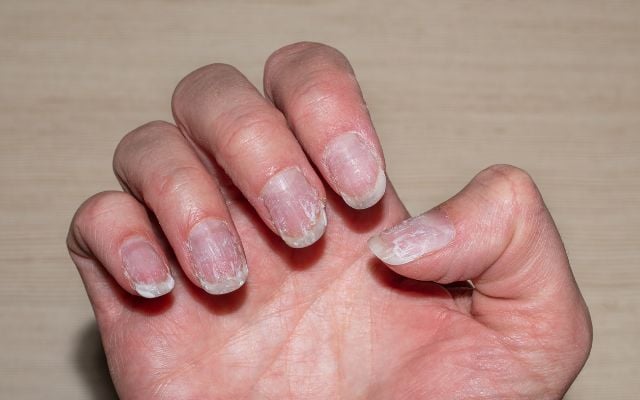
- White spots on nails (leukonychia) — not specific alone, but supported in deficiency contexts
- Brittle nails
- Mouth ulcers (aphthous ulcers)
- Cracks at the corners of the mouth (angular cheilitis)
- Inflamed tongue (glossitis)
Vision-related symptoms
- Poor night vision
- Impaired vitamin A metabolism (zinc is required for vitamin A transport)
Other clinically recognized signs
- Fatigue
- Poor wound healing after surgery or injury
- Increased inflammation
- Dermatitis resembling acrodermatitis enteropathica (in severe deficiency)
Risk Factors for Zinc Deficiency
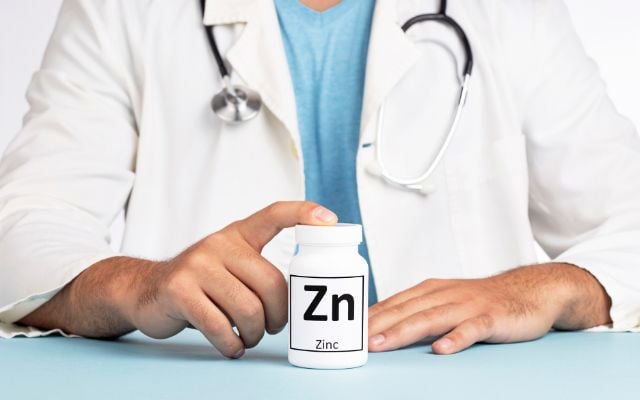
Some people are more likely to develop low zinc levels, especially when intake is low or absorption is impaired.
These risk factors are well-documented in nutrition and clinical research.
- Diets low in animal protein (vegan or vegetarian diets without careful planning)
- High intake of phytates (found in whole grains, legumes, and bran) reduces zinc absorption
- Digestive disorders such as IBS, Crohn’s disease, or ulcerative colitis
- Celiac disease
- Chronic diarrhea
- Bariatric surgery or other GI surgeries
- Pregnancy and breastfeeding (increased zinc needs)
- Older age (reduced absorption and intake)
- Chronic alcohol use
- Diabetes
- Kidney disease
- Long-term use of certain medications (diuretics, PPIs)
- Poor overall nutrition or restrictive dieting
Foods That Help Correct Zinc Deficiency
Increasing zinc-rich foods is often the first and most effective step. Animal-based sources tend to be more bioavailable, but plant sources can still contribute when eaten strategically.
Best high-zinc foods
- Oysters (the highest natural source)
- Beef
- Lamb
- Pork
- Dark meat chicken
- Turkey
- Eggs
Plant-based zinc sources
- Pumpkin seeds
- Hemp seeds
- Sesame seeds (tahini)
- Cashews
- Chickpeas
- Lentils
- Black beans
- Quinoa
- Oats
Other helpful sources
- Greek yogurt
- Cheese
- Milk
- Mushrooms
- Spinach
- Cocoa powder / dark chocolate
Pairing plant-based zinc foods with protein and soaking or sprouting beans, grains, and seeds can improve absorption.
Reducing excessive intake of bran or unsoaked legumes may also help when trying to correct the deficiency.
If symptoms suggest low zinc, focusing on consistent daily intake from whole foods is usually more effective than relying on occasional high-zinc meals.
In moderate to severe deficiency, supplementation may be considered, but food-first approaches are a solid starting point for most people.
- Oysters: Just six medium oysters provide over 300% of your daily zinc needs.
- Red meat: A 3-ounce serving of beef offers about 40% of your daily requirement.
- Poultry: Chicken and turkey are great options, with a 3-ounce serving providing around 10-15% of your daily zinc.
Adding these foods to your meals can help you maintain healthy zinc levels and support your overall health.
Plant-Based Alternatives for Vegetarians
If you’re vegetarian or vegan, don’t worry, there are plenty of plant-based options too.
While these sources may be less bioavailable, pairing them with vitamin C-rich foods can enhance absorption. Here are some excellent choices:
- Legumes: Lentils, chickpeas, and baked beans are packed with zinc.
- Nuts and seeds: Cashews, almonds, and pumpkin seeds are tasty and nutritious.
- Fortified cereals: Many cereals are enriched with zinc, making them a convenient option.
Incorporating these foods into your diet can help you meet your zinc needs while enjoying a variety of flavors.
Making small changes to your meals can have a big impact on your health.
If you’re unsure where to start, consider talking to a doctor or nutritionist for personalized advice.
With the right foods, you can keep your body thriving and feel your best every day.
Testing for Zinc Deficiency and Accurate Diagnosis
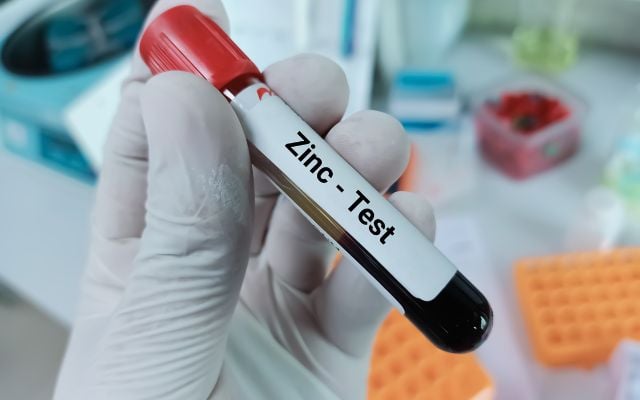
Understanding your zinc levels starts with the right tests.
If you suspect a zinc deficiency, getting tested is a smart move. It’s the best way to confirm your levels and take action if needed.
Let’s explore the options available and what they mean for your health.
Blood Tests, Urine Tests, and Hair Analysis
There are several ways to check your zinc levels. A blood test is the most common.
It measures the amount of zinc in your blood, giving a clear picture of your current level.
Urine tests can also be used, especially if your doctor suspects your body isn’t absorbing zinc properly.
Hair analysis is another option, though it’s less common. This test looks at the zinc content in your hair, which can reflect long-term deficiency.
Each test has its strengths, and your doctor can help you choose the right one.
Lifestyle Strategies to Boost Your Zinc Levels
Improving your zinc intake doesn’t have to be complicated or overwhelming. With a few simple changes, you can ensure your body gets the minerals it needs to thrive.
Let’s explore practical steps you can take to enhance your zinc levels and support your overall health.
Dietary Adjustments to Optimize Intake
One of the easiest ways to boost your zinc levels is through your diet. Focus on incorporating zinc-rich foods into your meals.
Animal-based sources like oysters, red meat, and poultry are excellent options.
For vegetarians, legumes, nuts, and seeds are great alternatives.
Pairing plant-based sources with vitamin C-rich foods can improve absorption.
For example, add bell peppers to your lentil soup or enjoy pumpkin seeds with an orange.
These small tweaks can make a big difference in your intake.
Considerations for Zinc Supplementation
If dietary changes aren’t enough, a zinc supplement might help. Supplements can be especially useful for those with higher needs or dietary restrictions. However, it’s important to consult a doctor before starting any new supplement.
Taking too much zinc can lead to side effects like nausea or interfere with other nutrients.
Your doctor can recommend the right dosage based on your individual needs. This ensures you get the benefits without the risks.
Remember, small changes can lead to significant improvements. Whether through food or supplements, taking action today can help you feel your best tomorrow.
Managing Health Risks and the Impact of Inadequate Zinc
Certain groups are more likely to face challenges with their zinc levels. If you fall into one of these categories, it’s important to take steps to ensure your body gets what it needs.
Let’s explore who’s at higher risk and what you can do to stay healthy.
Identifying At-Risk Groups and Understanding Symptoms
Some people are more susceptible to zinc deficiency. Pregnant women, for example, need extra zinc to support their baby’s growth. Vegetarians and vegans may also struggle, as plant-based sources are less easily absorbed by the body.
Older adults and those with gastrointestinal issues are at higher risk, too. Conditions like Crohn’s disease can interfere with zinc absorption, making it harder to meet daily needs.
If you’re in one of these groups, pay attention to subtle signs like frequent colds or slow-healing wounds.
Long-Term Implications for Immune and Metabolic Health
Not getting enough zinc over time can have serious effects on your health. Your immune system may weaken, leaving you more vulnerable to infections. Metabolic processes can slow down, affecting energy levels and overall well-being.
For children, long-term deficiency can lead to developmental delays. Adults may experience chronic fatigue or other health issues.
The good news? Early detection and simple lifestyle changes can make a big difference.
If you suspect a zinc deficiency, don’t wait. Talk to your doctor about testing and treatment options.
Taking action now can help you avoid long-term problems and keep your body thriving.
Conclusion
Small steps can make a big difference in your zinc levels.
This essential mineral supports your immune system, helps with healing, and keeps your body functioning at its best.
If you’ve noticed changes like hair loss or slow recovery, it might be time to check your zinc status.
Early detection is key. Simple tests can confirm whether you’re dealing with a zinc deficiency.
Once you know, you can take action.
Adding zinc-rich foods to your meals or considering a supplement can help restore balance.
Don’t hesitate to reach out to a healthcare professional for guidance. They can provide personalized advice to meet your needs.
Remember, even small changes can lead to significant improvements in your health and well-being.
Take charge of your zinc levels today. Your body will thank you!