Benefits of Probiotics For Women You Should Know
You’ve probably heard the word “probiotics” tossed around on yogurt labels, in supplement ads, and on wellness podcasts.
Thank you for reading this post, don't forget to subscribe!
But here’s what most of those conversations miss: the benefits of probiotics aren’t the same for everyone, and for women, they can be remarkably powerful.
From the monthly hormonal shifts of your menstrual cycle to the seismic transitions of pregnancy and menopause, your body’s microbiome, the vast community of bacteria living inside you, is in constant dialogue with your hormones, your immune system, and even your mood.
And that’s why you should know the benefits of probiotics for women, so you can start feeding your gut bacteria what they need to keep you healthy as a woman, so you feel your best, look your best, and thrive!
One of the worst things that can happen is having a leaky gut if your microbiome is out of order.
Think of probiotics as billions of microscopic allies, working quietly behind the scenes to keep that internal ecosystem balanced.
When the balance tips from stress, antibiotics, diet, or hormonal changes, the effects ripple through everything: your digestion, your vaginal health, your skin, your sleep, your mental clarity.
The good news? Restoring that balance is increasingly well-understood, and the science backing probiotics for women’s health has never been stronger.
Here are eight evidence-backed reasons to start paying attention to your microbiome.
1. Vaginal Health: Your Body’s First Line of Defense
A healthy vaginal microbiome is dominated by Lactobacillus species bacteria that produce lactic acid, keeping pH low and creating an environment where harmful pathogens struggle to survive.
When those populations drop, infections like bacterial vaginosis (BV) and yeast infections can take hold.
Research published in a 2024 review in the Taiwan Journal of Obstetrics and Gynecology found that probiotics, particularly Lactobacillus strains, promote a balanced vaginal microbiome, helping prevent infections and maintain an acidic, protective environment.
A 2024 expert consensus panel of 14 gynecologists similarly concluded that Lactobacillus-based probiotics are effective in managing bacterial vaginosis by increasing beneficial bacteria and reducing harmful ones.
Read the research:
- Wu et al. (2024), Taiwan J Obstet Gynecol — The role of probiotics in women’s health
- Expert Opinion on Probiotics in Gynecological Conditions, PMC (2025)
2. UTI Prevention: Breaking the Antibiotic Cycle
Urinary tract infections affect millions of women every year, and recurrent UTIs are among the most frustrating health experiences a woman can face, often leading to round after round of antibiotics that further disrupt the microbiome.
A randomized, double-blind, placebo-controlled trial published in Clinical Infectious Diseases (2023) found that prophylactic supplementation with vaginal probiotics alone or combined with oral probiotics was effective at preventing recurrent UTIs in premenopausal women.
The researchers concluded that the combination approach offered the most protective benefit. Earlier PubMed-indexed research has specifically highlighted Lactobacillus rhamnosus GR-1 and L. reuteri RC-14 as the strains with the strongest evidence for UTI prevention.
Read the research:
- Gupta et al. (2023), Clinical Infectious Diseases — Randomized controlled trial
- Falagas et al. (2006), Drugs — Review of clinical and microbiological studies on probiotics and UTI
3. Gut Health: More Than Just Bloating Relief
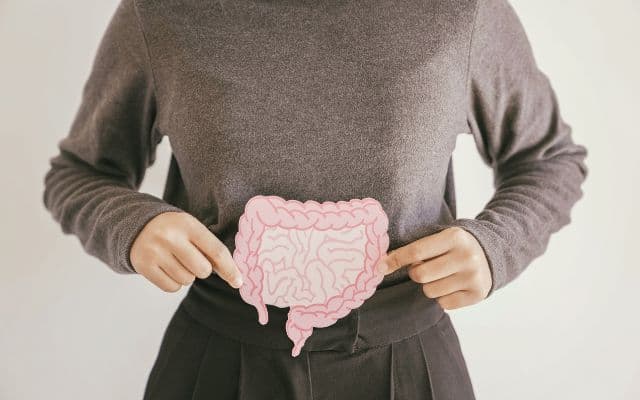
Women are disproportionately affected by irritable bowel syndrome (IBS), with studies suggesting they are up to twice as likely as men to be diagnosed.
The gut microbiome plays a central role in digestive function, and probiotic supplementation has been consistently linked to reductions in bloating, abdominal pain, and irregular bowel habits.
A 2024 double-blind, randomized, placebo-controlled study published in Neurogastroenterology and Motility assessed the impact of probiotic supplementation on IBS symptoms specifically in females, adding to a growing body of evidence that certain strains produce measurable improvements in digestive comfort and quality of life.
Read the research:
- Mullish et al. (2024), Neurogastroenterology and Motility — Probiotics and IBS in females
- Healthline’s overview of women’s probiotics with dietitian input
4. Mental Health: The Gut–Brain Connection Is Real
This one surprises people most: the idea that bacteria in your gut could influence how you feel emotionally, and even what you do, what you eat. The gut-brain connection is a strong one.
But the gut–brain axis, the bidirectional communication network linking the gut microbiome with the central nervous system, is now a well-established concept in neuroscience.
A comprehensive scoping review in PMC (2020) found that probiotics positively affected depressive symptoms in over 53% of reviewed studies, and improved anxiety symptoms in nearly 44% of studies.
More recently, a 2024 review in ScienceDirect argued that probiotics represent a promising complementary approach for anxiety and depression, particularly given the rising costs and side effects of conventional medications.
For women specifically, research has found that daily supplementation with Lactobacillus gasseri in young women significantly reduced anxiety, depression, and fatigue over 183 days.
Read the research:
- PMC — Gut–Brain Axis and Probiotics for Anxiety and Depression
- ScienceDirect (2024) — Influence of the gut-brain axis on anxiety and depression
- PMC — Estrogenic Effect of Probiotics on Anxiety and Depression (2025)
5. Hormonal Balance: The Estrobolome Connection
Here’s something that rarely makes it into mainstream wellness content: your gut microbiome contains a specialized community of bacteria called the estrobolome, which is responsible for metabolizing and regulating estrogen levels in the body.
When the estrobolome is out of balance, estrogen can be reabsorbed in excess, contributing to conditions like endometriosis, PCOS, and PMS, or cleared too quickly, worsening menopause symptoms.
Research published in The Journal of Medical Food (2024) found that probiotic supplementation with a formula having β-glucuronidase activity modulated serum estrogen levels in peri- and postmenopausal women.
A 2024 review from Pendulum noted that “the gut microbiome influences how estrogen is processed and cleared from the body, which can impact everything from PMS symptoms to menopausal transitions.”
Read the research:
- Honda et al. (2024), J Med Food — Probiotics and serum estrogen in menopausal women
- Pendulum — What is the Best Probiotic for Women?
6. Menopause Symptom Relief

The drop in estrogen during perimenopause and menopause doesn’t just affect your reproductive system; it reshapes your gut and vaginal microbiomes, leading to changes in digestion, mood, bone density, urinary comfort, and more.
A 2025 systematic review and meta-analysis by Andrews et al. found that probiotics significantly improved menopausal symptoms, including psychological symptoms, compared to placebo, with additional benefits observed for urogenital and bone health.
A separate clinical review noted that some trials reported improvements in overall menopausal symptom scores, including mild psychological symptoms, when women took probiotics consistently for several weeks.
Read the research:
- MDPI (2025) — Gut Microbiome-Targeted Interventions on Mental Health Across Hormonal Life Stages
- Evvy — Probiotics for Menopause: Benefits
7. Pregnancy and Postpartum Mental Health
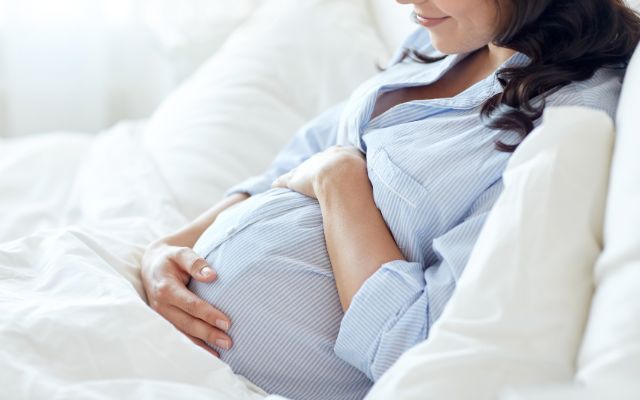
Pregnancy is a period of profound microbiome change and emerging research suggests probiotics may play a meaningful supportive role, particularly for mental health.
A double-blind randomized pilot trial published in Scientific Reports (2021) investigated probiotics as a treatment for prenatal anxiety and depression, building on earlier findings from a New Zealand trial showing that Lactobacillus rhamnosus HN001 during pregnancy significantly reduced postpartum depression and anxiety.
A 2024 umbrella review concluded that probiotics were beneficial in reducing anxiety symptoms during pregnancy and depression during the postpartum/lactation period, though researchers note that more large-scale trials are still needed.
Read the research:
- Scientific Reports (2021) — Probiotics as treatment for prenatal anxiety and depression
- MDPI Healthcare (2025) — Systematic Review: Gut Interventions and Mental Health at Hormonal Life Stages
8. Menstrual Pain and PMS

For women who experience painful periods (dysmenorrhea), probiotics may offer an unexpected source of relief.
A 2024 randomized controlled trial aptly named the PERIOD study found that probiotic supplementation helped women with primary dysmenorrhea reduce their reliance on pain medications like aspirin and ibuprofen, while also improving mood outcomes.
This adds to broader evidence that gut microbiome diversity may influence hormonally driven conditions, potentially by modulating inflammation and supporting estrogen metabolism.
Read the research:
- The PERIOD Study — Probiotics and Menstrual Health (2024), Women’s Health (Lond)
- Dr. Michael Ruscio, DC — 8 Health Benefits of Probiotics for Women
A Note Before You Start Supplementing
Not all probiotics are created equal. The benefits above are often strain-specific, meaning Lactobacillus rhamnosus GR-1 for UTIs won’t necessarily help with mood.
And a Bifidobacterium strain for IBS may not address vaginal health.
If you’re considering adding probiotics to your routine, it’s worth speaking with a healthcare provider or registered dietitian who can guide you toward the right strains for your specific needs.
And remember: probiotics aren’t just in supplements. Fermented foods like yogurt, kefir, kimchi, sauerkraut, and miso are excellent natural sources that also deliver other valuable nutrients alongside their live cultures.
This post is for informational purposes only and is not a substitute for professional medical advice. Always consult a qualified healthcare provider before starting any new supplement.