10 Best Bedtime Teas to Help You sleep Better at Night
Best Bedtime Teas for a Restful Night’s Sleep

Do you have a hard time falling asleep at night? This list of the best bedtime teas might be just what you need to fall asleep fast and stay asleep for a restful night’s rest.
Thank you for reading this post, don't forget to subscribe!These bedtime teas will help quiet your mind so you can relax, and calm easily drift off to sleep. Plus they are especially comforting while also providing many other health benefits.
I swear by herbal sleep teas when it comes to falling asleep fast and even staying asleep.
As a nurse who works the night shift, falling asleep during the day used to be so challenging, and staying asleep was difficult as well.
But when I started using a combination of herbal teas that all changed. Now I sleep well and wake up refreshed and ready for my day.
A warm cup of soothing herbal tea can be the perfect way to end your day, helping you unwind and settle into a regular sleep schedule.
Certain herbs have been used for centuries to help people relax, unwind, and promote a more regular sleep schedule.
The positive effects of these herbs go beyond just good rest—they also support your immune system and overall well-being.
One of the best ways to enjoy these benefits is through soothing herbal teas. The sleep-promoting properties of teas made from natural ingredients can help ease you into slumber.
For example, a tea infused with organic spearmint leaf and an infusion of chamomile flowers is a classic combination for calming the mind and preparing for bedtime.
Chamomile, with its gentle purple flowers, has a long history as a favorite botanical for sleep.
Several herbal remedies are known for their positive effects on sleep, each with its unique blend of natural ingredients.
The best Bedtime teas for a good night’s sleep
Here’s a list of some of the best teas to promote a restful night’s sleep:
1. Chamomile Tea

Chamomile is one of the most ancient medicinal herbs known to man(source).
Chamomile is also one of the most popular sleep-promoting herbs, often used in relaxing teas due to its calming effect.
Per research, chamomile sedative and tranquilizer effects are due to the flavonoid apigenin which binds to the benzodiazepine receptors in the brain helping you to feel relaxed enough to fall asleep.
It’s subtle floral aroma and calming properties make it a staple in many herbal tea blends.
Chamomile not only helps you relax but also supports your immune system. With its delicate purple flowers, chamomile tea is ideal for creating a peaceful bedtime routine.
2. Valerian Root Tea
Valerian root is well known for its sleep-promoting properties and is often used in organic valerian root extract form.
And valerian root tea has been used to calm the mind since the Middle Ages.
Valerian tea is a great tea to help you fall asleep, especially when stress or anxiety is the culprit.
It’s powerful relaxation effects make it a key ingredient in many soothing tea blends, ideal for inducing deep, restful sleep.
3. Magnolia Tea
A lesser-known yet effective herbal remedy for sleep is magnolia tea.
Used for centuries in traditional Chinese medicine, magnolia is praised for its calming and anti-anxiety effects.
According to research Magnolia Officinalis and and Magnolia Obavata bark extracts are used in Chinese and Japanese medicine for their soothing, antioxidant, anti-inflammatory, antibiotic, and antispastic effects.
Magnolia bark extract contains magnolol and honokiol, the main substances responsible for the sedative effect of magnolia tea.
Because it supports relaxation, this tea is perfect for winding down at night making it an ideal bedtime tea.
Additionally, research finds that magnolia tea is relatively safe.
However, always check with your doctor especially if you take any medications.
4. Skullcap Tea
Another excellent herb for sleep is organic skullcap leaf. Skullcap has long been used to reduce tension and calm the nervous system.
It’s commonly found in soothing herbal tea blends for sleep because it promotes relaxation and quiets the mind.
Combined with herbs like valerian or chamomile, skullcap tea can be especially effective for anyone struggling to sleep due to mental stress.
5. Spearmint and Cinnamon Tea
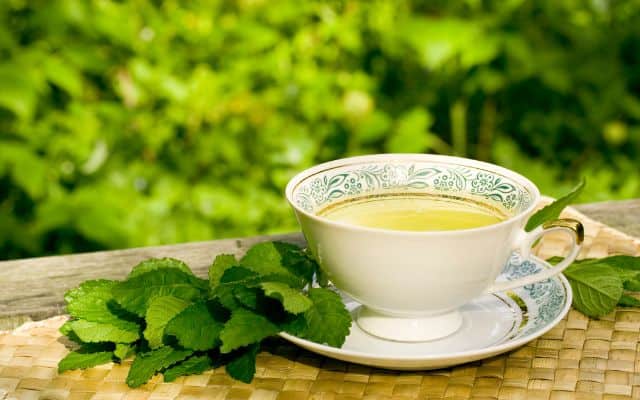
Tea blends containing organic spearmint leaf and organic cinnamon bark are refreshing and incredibly soothing.
Spear mint promotes calms stress and promotes relaxation. Research shows that the menthol in spear mint shares the same general anesthetic action with propofol – but less potent -via the same mechanism of action on similar sites on the GABA(A) receptor.
Spearmint also helps relieve digestive discomfort, which can often disturb sleep.
6. Lavender Tea

Known for its calming fragrance, lavender is another herb that promotes relaxation and a restful night’s sleep.
Most people know that lavender essential oil can help you feel calm and relaxed aiding in better sleep.
But lavender sweet-smelling purple flowers, also make a lovely tea that can help usher you into sweet dreams as well.
Lavender tea is perfect for creating a calming ritual at the end of the day to help you relax and unwind and provide restful sleep.
Lavender tea can also be found combined with other herbs such as chamomile to make a delicious and relaxing tea.
7. Lemon Balm Tea
Lemon balm is a citrus-scented herb that is known for its positive effects on stress and sleep.
Sleep-promoting effects of lemon balm have been the subject of several studies. A 2021 randomized clinical study on sleep-deprived menopausal women found that lemon balm may improve the quality of life of sleep-deprived menopausal women.
Lemon balm (Melissa officinalis), a member of the mint family, has a long history as a medicinal herb for treating anxiety and promoting sleep.
It’s use dates back to ancient Greece and Rome, where it was valued for its calming properties and was often steeped in wine or teas to lift spirits, reduce stress, and improve sleep quality.
Ancient and Medieval Uses
In ancient Greece, lemon balm was associated with health and longevity. Greek physicians, including Dioscorides, documented its use as a remedy for various ailments, including anxiety, insomnia, and digestive issues.
Roman author Pliny the Elder also recommended lemon balm for its mood-enhancing properties.
By the Middle Ages, lemon balm was widely cultivated in monasteries across Europe.
Monks used it to treat insomnia, nervousness, and heart issues, and it became a key ingredient in “Carmelite water,” an herbal tonic created by French Carmelite nuns in the 14th century to relieve tension, headaches, and melancholy.
Renaissance to 18th Century
During the Renaissance, herbalists such as Paracelsus and Nicholas Culpeper recommended lemon balm for reducing stress and improving sleep.
Culpeper, a noted English botanist and physician, described lemon balm as particularly useful for uplifting the spirits and easing melancholy.
19th Century to Modern Era
In the 19th and early 20th centuries, lemon balm continued to be used as a folk remedy for “nervous disorders.”
It’s calming effects were attributed to its aromatic compounds, such as rosmarinic acid and citronellal, which were found to have mild sedative properties.
By the mid-20th century, scientific research began exploring the plant’s effects on anxiety and sleep, supporting its traditional use.
Modern Research
Today, lemon balm is recognized for its potential benefits in easing mild anxiety, stress, and insomnia.
Research shows that it can help promote calmness and improve sleep by influencing GABA (gamma-aminobutyric acid) receptors in the brain, which regulate mood and relaxation.
Lemon balm remains popular in herbal medicine as an ingredient in teas, tinctures, and supplements for its gentle yet effective calming and sleep-promoting qualities.
Drinking lemon balm tea before bed can help reduce anxiety and promote a peaceful night’s sleep. It’s often used in soothing blends to enhance the overall relaxation experience.
8. Rooibos Tea
Although not traditionally known as a sleep herb, rooibos tea is caffeine-free and rich in antioxidants, making it a wonderful choice for nighttime.
With its smooth, slightly sweet flavor, rooibos can be enjoyed alone or blended with herbs like chamomile or lavender for a soothing herbal tea that encourages relaxation.
Rooibos also supports the immune system, providing additional health benefits.
9. Caffeine Green tea
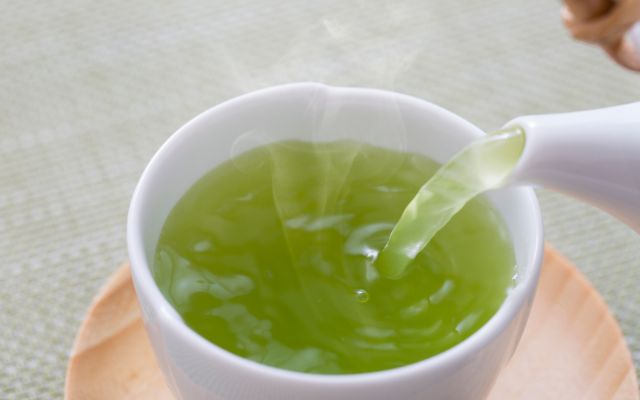
According to a 2017 study in Nutrients, low-caffeine green tea lowered stress and improved sleep in subjects who took it for seven days.
This anti-stress effect of green tea is thanks to the amino acid L. theanine in green tea, catechins EGCG, and ECG. L. theanine in particular modulates GABA producing a relaxed feeling.
So if you want a delicious tea with some depth of flavor or simply love green tea, try caffeine-free green tea to help you relax at bedtime.
10. passionflower tea
Passionflower has been used traditionally as a sedative and anxiolytic, and according to a double-blind placebo-controlled study over 1 week, passion flower tea produced significantly better sleep than placebo.
You can find passion fruit tea usually comes combined with other herbs. Traditional Medicinal passion flower tea is my favorite. Try this passionflower nighty night tea with chamomile and linden flower.
Hope you will try these and make them a relaxing part of your bedtime routine.
These delicious soothing bedtime teas will help lower stress, improve your sleep quality, and also confer many other health benefits including boosting the immune system.
But remember, all teas are not made equal so do your research. Go for high-quality teas, ideally, organic blends sourced from good cultivation practices.
Looking for more health-promoting teas and herbs? See this list below.
Best teas for energy and focus.