The Best Supplements that Lower Cortisol

Are you feeling constantly stressed, overwhelmed, or battling fatigue that never seems to go away?
Thank you for reading this post, don't forget to subscribe!Your body’s stress hormone, cortisol, could be at the root of it all. While cortisol is essential in small doses, chronically elevated levels can wreak havoc on your body and mind, leading to everything from anxiety and weight gain to immune health problems, including diabetes, to sleep issues.
Luckily, there are natural ways to help bring cortisol back into balance. In this post, we’ll explore the best supplements that lower cortisol and support your body’s stress response, helping you regain your calm and energy naturally.
What Causes High Cortisol Levels?
Understanding what triggers high cortisol levels is the first step in managing them.
- Stressful Situations: Chronic stress is the leading cause of high cortisol. When you face stressful events, your pituitary gland signals your adrenal glands to release more cortisol, preparing your body for the fight-or-flight response.
- Sleep Deprivation: Adequate sleep is essential for maintaining healthy cortisol levels. When you don’t get a good night’s sleep, your cortisol levels can remain elevated, leading to a vicious cycle of stress and fatigue.
- Poor Diet: A diet high in processed foods, sugar, and caffeine intake can increase cortisol production. In contrast, a balanced diet rich in whole grains, leafy greens, and dietary fiber supports healthy cortisol levels.
- Physical Activity: While regular exercise is beneficial, intense exercise can sometimes lead to higher cortisol levels. Finding a balance between activity and rest is key to managing cortisol.
- Medical Conditions: Conditions like Cushing’s syndrome can result in excess cortisol. If you suspect you have a condition that’s causing high cortisol, it’s important to consult with a healthcare provider.
Signs and Symptoms of High Cortisol

Recognizing the symptoms of stress and high cortisol is crucial for taking action.
- Physical Symptoms: Weight gain, particularly around the abdomen, high blood pressure, and fatigue are common signs of excess cortisol.
- Mental Symptoms: Brain fog, anxiety, and mood swings can indicate high levels of cortisol.
- Other Symptoms: Trouble sleeping, frequent illness due to a weakened immune response, and cognitive function issues may also be related to elevated cortisol levels.
Top Supplements to Lower Cortisol
Now, let’s explore some of the best ways to lower cortisol levels with natural supplements:
1. Ashwagandha (Withania Somnifera)

Ashwagandha is an adaptogenic herb and is a staple in Ayurvedic medicine.
As an adaptogenic herb, ashwagandha helps your body adapt to stress, promoting stress relief and supporting healthy cortisol levels.
Studies including this 60-day, randomized, double-blind, placebo-controlled study have shown that Ashwagandha can significantly reduce cortisol levels.
According to the above 2019 research ashwagandha may lower stress by modulating the hypothalamus-pituitary-adrenal axis.
Results of the study also showed subjects had lower cortisol levels with ashwagandha,
A common dose is 300-500 mg of root extract daily. But remember to always check with a healthcare professional before starting a new supplement.
2. Rhodiola Rosea (Arctic Root)
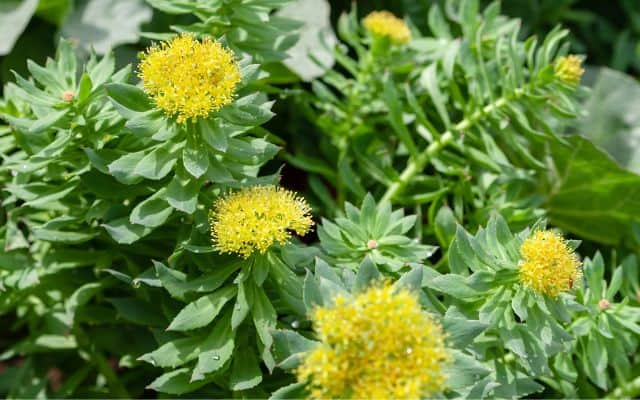
Known as Arctic root, Rhodiola is also an adaptogenic herb and has been used in traditional medicine to combat stress for hundreds of years.
A placebo-controlled clinical study found that Rhodiola helps reduce cortisol secretion, supports better mental clarity, reduces fatigue in patients suffering from burnout, and improves cognitive function.
200-600 mg per day is typically recommended.
Start with a lower dose to see how your body responds.
3. Phosphatidylserine
Phosphatidylserine is a naturally occurring phospholipid found in high concentrations in the brain.
It has been traditionally sourced from soy and animal tissues.
Phosphatidylserine reduces cortisol, particularly in response to physical stress, such as exercise.
It acts on the hypothalamic-pituitary-adrenal (HPA) axis, the body’s central stress response system, by dampening excessive cortisol release.
It’s commonly used by athletes to improve recovery and reduce the impact of stress hormones post-workout.
Research shows that this amino acid derivative plays an important role in reducing cortisol levels after exercise, making it ideal for anyone who engages in intense training.
It also supports brain function and can help with stress management.
A standard dose of 100-300 mg daily.
It’s usually well-tolerated, but consult your healthcare provider if you’re taking other prescription medications.
4. Magnesium
According to research, magnesium is crucial for many bodily functions and is involved in all major metabolic and biochemical processes.
Research also shows that magnesium interacts with many stress mediators and serves an inhibitory function, regulating both the physical and central nervous system response to stress.
Additionally, research shows that the relationship between magnesium deficiency and stress is a vicious cycle.
Stress causes magnesium depletion, and low magnesium causes psychological and physiological stress.
Magnesium helps calm the nervous system and can significantly reduce cortisol levels, supporting relaxation and a balanced immune system.
Magnesium supplements are available in various forms, such as magnesium citrate or glycinate, with 200-400 mg per day being common.
5. Omega-3 Fatty Acids
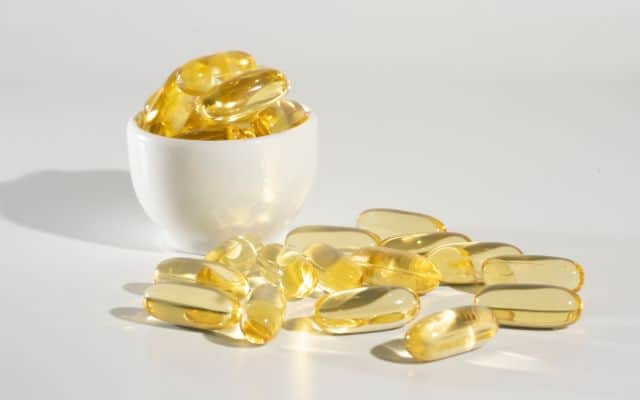
Omega-3 fatty acids are found in foods such as fatty fish, nuts, and seeds, are known to reduce inflammation and oxidative stress, and are important in helping to balance cortisol levels.
When the body is experiencing inflammation, it causes a stress response in the body.
Research shows that omega-3 supplementation lowers cortisol and stress response and even blocks telomere stress-related decrease and inflammation-induced cellular aging.
Omega-3 supplementation is also beneficial for heart health and mental health.
Aim for 1,000-2,000 mg of EPA and DHA combined per day. These can be found in fatty acids supplements like fish oil.
6. L-Theanine
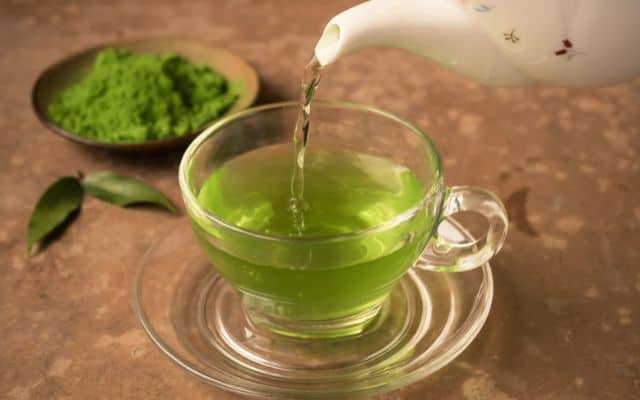
L-theanine, an amino acid found in both green and black tea, is known for its antioxidant and anti-inflammatory properties.
It offers numerous benefits, including promoting relaxation without causing drowsiness and supporting a calm, focused mind.
According to a 2016 randomized, double-blind, placebo-controlled study, L-theanine has been shown to reduce cortisol and lower stress levels.
In this study, subjects reported reduced stress 1 hour after administration of a drink containing 200mg of L. theanine, and cortisol was reduced 3 hours after L. theanine administration.
Dosage and Considerations: 100-200 mg per day is typical.
7. Vitamin C
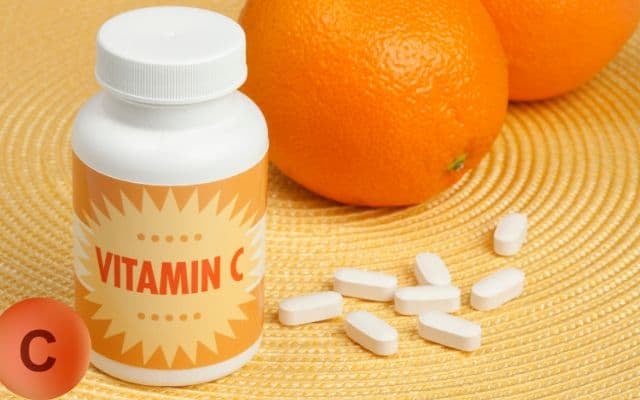
Vitamin C regulates the body’s stress response.
According to studies, there is a link between stress-related behavior and vitamin C, and vitamin C has been shown to reduce stress-induced cortisol production.
And vitamin C modulates the HPA system by directly “braking” cortisol secretion(source).
Vitamin C is a powerful antioxidant essential for lowering oxidative stress damage, supporting the immune system, and even necessary for regenerating other innate anti-oxidants such as vitamin E, CoQ10, and glutathione.
In so doing, vitamins further lower stress on the body, thus lowering cortisol.
Dosage and Considerations: 500-1,000 mg per day is common. Vitamin C can be obtained from dietary sources like oranges or through supplements.
8. Ginseng
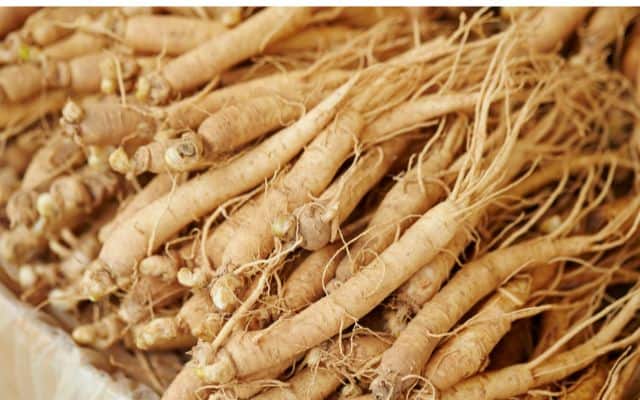
Ginseng not only lowers cortisol but also enhances overall stress resilience. According to research, ginseng improves stress response by regulating the HPA axis
It strengthens the body’s ability to handle both physical and psychological stressors, making it a key herb for improving endurance and mental clarity during stressful situations.
Furthermore, research shows that ginseng may also be a potential treatment for people suffering from HPA axis disorders related to the oversecretion of cortisol due to overexposure to stress.
such as depression, anxiety, and PTSD.
Ginseng also promotes energy production and reduces fatigue, which is often exacerbated by chronic stress and high cortisol levels.
Because of its dual role in lowering cortisol and boosting vitality, ginseng is particularly beneficial for those experiencing adrenal fatigue or prolonged periods of high stress.
9. Vitamin D
Vitamin D plays an important role in regulating cortisol levels by supporting healthy adrenal function and promoting a balanced stress response.
Research shows that maintaining sufficient vitamin D levels can help prevent cortisol dysregulation, improve resilience to stress, and support overall mental and physical well-being.
Learn more about the relationship between cortisol and vitamin D as discussed by Dr Berg in this video:
Potential Side Effects and Considerations
Before starting any new supplement, consult with a healthcare provider. Some supplements may interact with prescription medications or cause side effects, so it’s important to get professional advice.
Lifestyle Changes to Lower Cortisol Levels
In addition to dietary supplements, lifestyle changes are crucial for managing cortisol.
- Stress Management Techniques: Incorporate relaxation techniques like deep breathing, yoga, tai chi, and mindfulness-based practices into your daily routine. Seek therapy for support in complex life situations.
- Improved Sleep Hygiene: Aim for 7-9 hours of sleep per night. A good night’s sleep helps regulate cortisol and reduces stress. Start a healthy, calming nighttime sleep routine.
- Balanced Diet: Focus on a healthy diet rich in whole grains, leafy greens, and dietary fiber. This supports overall health and keeps cortisol in check. See this list of the best foods to lower cortisol naturally.
- Regular Physical Activity: Engage in moderate exercise, such as walking or yoga. Avoid intense exercise that can lead to increased cortisol production.
- Social Support: Spending time with loved ones can reduce stress levels and help maintain healthy cortisol levels.
Related: Signs and symptoms of high cortisol
Conclusion
Managing cortisol levels is vital for your overall health. One way to support your health and lower stress and cortisol levels is by incorporating the right natural supplements.
Additionally, it’s also very important to make simple lifestyle changes to lower stress, reduce cortisol levels, and support better mental health.
Remember, the goal is to achieve a balanced approach to stress management overall.
Start today, and take control of your body’s stress response.