Best Herbs for High Blood Pressure
You’re in good company if you’re looking for natural ways to support your blood pressure. Natural remedies, such as herbs for high blood pressure, can be used to help lower blood pressure.
Thank you for reading this post, don't forget to subscribe!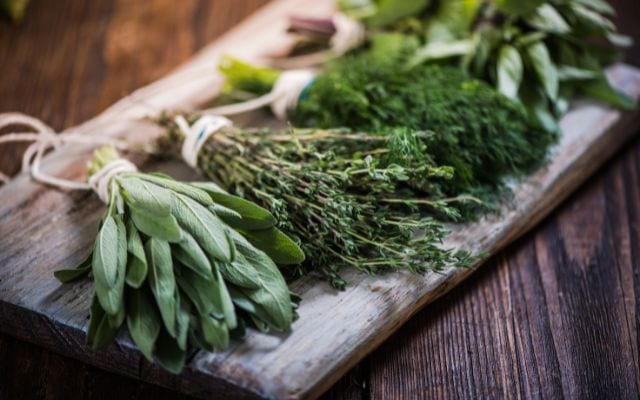
However, keep in mind that you also dont want low blood pressure as that is also bad for you. The key is to keep blood pressure within the normal range.
High blood pressure (hypertension) affects millions worldwide and is a leading risk factor for heart disease and stroke.
While lifestyle factors like diet, exercise, and stress management are crucial, certain herbs may offer gentle, effective support alongside these foundational habits.
What Is High Blood Pressure?
High blood pressure, or hypertension, is a condition in which the force of the blood pushing against your artery walls is consistently too high.
Over time, this added pressure can strain the heart, damage blood vessels, and increase the risk of serious health problems like heart disease, stroke, and kidney disease.
Blood pressure is measured using two numbers:
- Systolic pressure (the top number) reflects the pressure when your heart beats.
- Diastolic pressure (the bottom number) shows the pressure when your heart rests between beats.
According to the American Heart Association, a normal blood pressure reading is below 120/80 mmHg. High blood pressure is typically diagnosed when readings are consistently at or above 130/80 mmHg.
Hypertension is often called the “silent killer” because it usually has no symptoms until significant damage has occurred.
That’s why regular monitoring and a proactive lifestyle—including these blood pressure-friendly herbs—can make a big difference in maintaining cardiovascular health.
Here are 12 of the best herbs to help lower blood pressure, backed by tradition, science, and centuries of use.
Prevalence and Risk Factors for High Blood Pressure
High blood pressure is incredibly common, affecting nearly half of adults in the United States, according to the Centers for Disease Control and Prevention (CDC).
That’s about 1 in every 2 adults, many of whom don’t even know they have it. Worldwide, the World Health Organization (WHO) reports that over 1.2 billion people are living with hypertension, making it a leading cause of premature death globally.
Risk Factors for Hypertension Include:
- Age: Risk increases as you get older, particularly after age 45 for men and 65 for women.
- Family History: A genetic predisposition can make some individuals more susceptible.
- Poor Diet: Diets high in sodium, processed foods, and low in potassium can contribute significantly.
- Lack of Physical Activity: Sedentary lifestyles weaken the heart and circulatory system.
- Excess Weight: Obesity is strongly linked to high blood pressure.
- Alcohol & Tobacco Use: Both can damage blood vessels and raise blood pressure.
- Stress: Chronic stress can contribute to temporary or sustained blood pressure elevations.
- Underlying Conditions: Diabetes, kidney disease, and sleep apnea are closely linked to hypertension.
Because hypertension often develops silently, it’s crucial to understand your personal risk factors and take steps early to support heart health through a healthy blood pressure-friendly diet, movement, stress management, and natural supports like blood pressure-friendly herbs.
The Best herbs for high blood pressure.
Hibiscus (Hibiscus sabdariffa)
Hibiscus is a beautiful, tangy-flavored flower commonly brewed into tea. Research shows that hibiscus may help lower both systolic and diastolic blood pressure.
A placebo-controlled study of prehypertensive and mildly hypertensive people found that after drinking hibiscus tea for six weeks, the hibiscus group lowered blood pressure by 7.2 points while the other group only lowered blood pressure by 1.3 points.
The natural anthocyanins and antioxidants in hibiscus are thought to support blood vessel health and reduce inflammation.
Drinking hibiscus tea regularly has been associated with modest but meaningful reductions in blood pressure.
Garlic (Allium sativum)
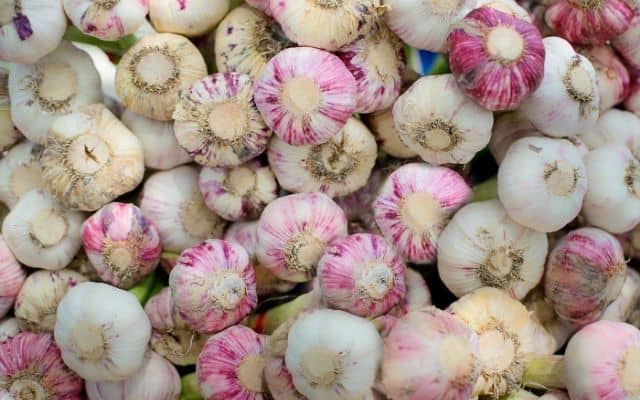
Garlic has been used globally for its many health benefits, especially its blood pressure-lowering effects(source).
Garlic is a widely known culinary herb with several health benefits.
Garlic may help support healthy blood pressure levels by promoting arterial flexibility, supporting healthy cholesterol levels, and maintaining normal blood viscosity.
Garlic may also support cardiovascular health by reducing oxidative stress and supporting normal platelet function.
Several studies, including a 2019 study in the Experimental and Therapeutic Journal, found that garlic supplements lowered systolic blood pressure by 8-9 mmHg and 5-6 mmHg diastolic blood pressure.
A 2015 systematic review found that garlic is an effective and safe remedy for hypertension.
Another sytemic study published in the Journal of Nutrition found a decrease of both systolic and diastolic blood pressures by 5.1 mmHg and 2.5 mmHg, respectively.
Additionally, the same study found that garlic also reduced cholesterol and improved the immune system.
Hawthorn (Crataegus monogyna)
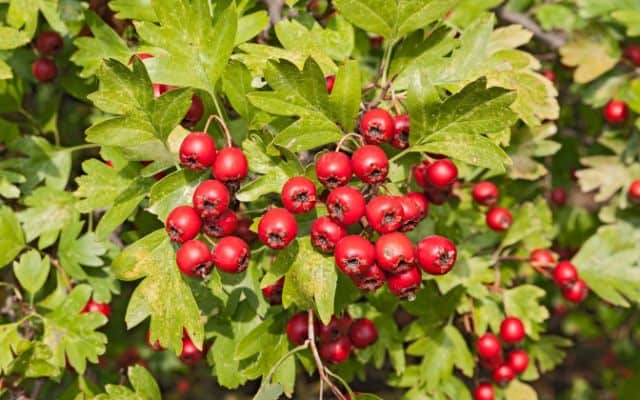
Hawthorn is a member of the Rosaceae family and grows in Europe, Asia, and Africa as a small tree or shrub.
Hawthorn has been used for hundreds of years in both folk and traditional medicine.
Hawthorne produces tart red berries that have been used for various culinary purposes such as making jellies, jams, and syrups(source).
Hawthorn is rich in polyphenols, such as flavonoids and triterpenic compounds, many of which possess antioxidant properties.
These compounds, research found, can be used in the prevention and mitigation of cardiovascular disease.
The same research found that Hawthorne reduced risk factors such as hypertension and thrombosis(clot).
Studies further show that since hawthorn is rich in flavonoids and proanthocyanidins, it enhances blood flow, strengthens heart muscle contractions, and helps the blood vessels relax.
Hawthorn can be used as a tea, tincture, or supplement
Of course, you should be careful taking hawthorn if you are taking blood pressure medicine.
Let your provider guide you.
Chinese Cat’s Claw (Uncaria rhynchophylla)
Chinese Cat’s Claw, known in Traditional Chinese Medicine as Gou Teng, is valued for its calming and blood pressure-lowering properties.
According to an article in Science Direct, certain Compounds in Cat’s Claw, such as indole alkaloids, rhynchophylline, and hirstuine, may act as natural calcium channel blockers, helping the blood vessels to relax and expand, thus having a vasodilatory effect.
Some studies suggest Cat’s Claw may also reduce oxidative stress, further supporting healthy circulation and heart health.
Thyme (Thymus vulgaris)
Thyme is a well-known herb from the mint family and is a culinary staple in many parts of the world, especially the Mediterranean region.
However, thyme is more than just a flavorful kitchen staple.
Thyme essential oil is known for its antiseptic and antibiotic traits.
Thyme tea has also been used to treat respiratory infections, coughs, and bronchitis.
Thyme may also help support healthy blood pressure.
Thyme is rich in rosmarinic acid, a phenolic compound that possesses many biological properties, including anti-oxidant and anti-inflammatory effects.
A 2019 animal study found that rosmarinic acid in thyme improved oxidative stress and lowered blood pressure.
Also rich in other antioxidants like thymol and carvacrol, thyme has been shown in some animal studies to help relax blood vessels and lower vascular resistance.
A 2023 placebo-controlled study also found that subjects who took thyme had a significant drop in both systolic and diastolic blood pressures.
And its anti-inflammatory properties may also contribute to improved heart and circulatory health, thus helping to lower blood pressure.
Ginger (Zingiber officinale)
Ginger is a spicy root with a long history in traditional medicine. It may support healthy blood pressure by helping blood vessels relax, improving circulation, and supporting normal blood clotting.
Ginger’s antioxidant and anti-inflammatory properties may also benefit overall cardiovascular wellness.
Some research suggests ginger supplementation may offer modest blood pressure-lowering effects over time.
Cinnamon (Cinnamomum verum)
Cinnamon is a sweet, warming spice with impressive health benefits.
Studies have shown that cinnamon may help lower both systolic and diastolic blood pressure, especially in individuals with metabolic syndrome or diabetes.
It may work by relaxing blood vessels and reducing systemic inflammation. Cinnamon’s support for healthy blood sugar levels may provide additional cardiovascular protection.
Olive Leaf Extract (Olea europaea)
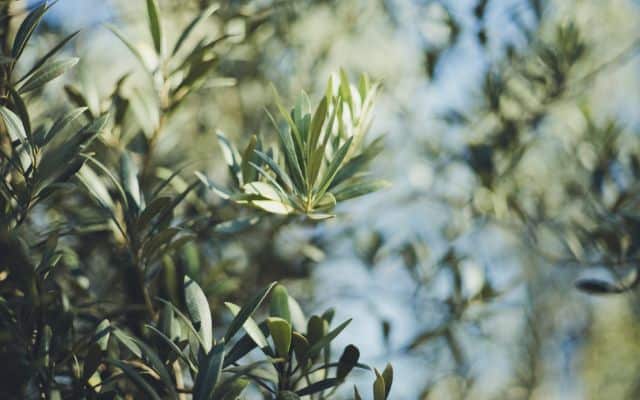
Olive leaf extract, derived from the same plant that produces olive oil, is rich in polyphenols like oleuropein.
Research suggests that olive leaf extract may act similarly to prescription ACE inhibitors, helping to relax blood vessels and promote healthy blood flow.
It also has strong antioxidant properties that may reduce arterial stiffness and improve heart health.
Flaxseed (Linum usitatissimum)
Flaxseeds are tiny but mighty seeds loaded with fiber and omega-3 fatty acids.
Several studies have found that regular flaxseed consumption may support lower blood pressure levels, likely due to its anti-inflammatory effects and ability to improve arterial function.
Flaxseed’s lignans may also support healthy cholesterol balance, further benefiting cardiovascular health.
Basil (Ocimum basilicum)
Basil, especially its essential oil, contains powerful compounds like eugenol, which may help lower blood pressure by relaxing blood vessels and promoting easier blood flow.
Studies show that basil lowered blood pressure and decreased cardiac hypertrophy nearly as well as captoril, an antihypertensive drug.
Basil also boasts strong antioxidant and anti-inflammatory properties, which may protect the heart and support a balanced inflammatory response in the body.
Final Thoughts
Supporting your blood pressure naturally can help lower high blood.
And incorporating natural herbal remedies is a great way to improve your health, including lowering blood pressure when you have hypertension.
From sipping on hibiscus tea to seasoning your meals with garlic and thyme, small changes can make a big difference over time.
You can also supplements with herbal supplements extracted from these herbs for high blood pressure.
As always, it’s best to talk with your healthcare provider before adding new herbs to your regimen, especially if you’re taking medication.