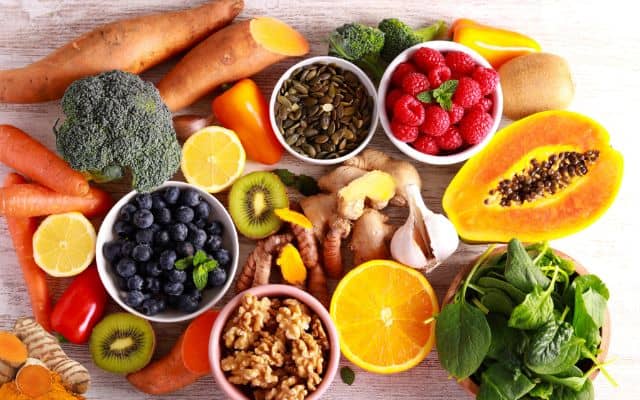
The Best herbs that help lower blood sugar
Do you have diabetes and are looking for a natural way to help lower your blood sugar levels?
Thank you for reading this post, don't forget to subscribe!
One natural remedy for blood sugar is supplementing with herbs that help lower blood sugar.
Please keep in mind that these herbs should not replace the treatment ordered by your doctor and that you should always consult your provider before using supplements.
Additionally,y you must be careful not to lower your blood sugar too low.
Diabetes is one of the most common chronic health conditions worldwide, affecting more than 537 million adults globally, and the numbers continue to rise.
In the United States alone, it’s estimated that 1 in 10 people are living with diabetes, and many more may be undiagnosed or experiencing prediabetes without even realizing it.
There are two main types of diabetes, and it’s important to understand the distinction:
- Type 1 diabetes is an autoimmune condition where the body attacks the insulin-producing cells of the pancreas. People with type 1 diabetes rely on daily insulin therapy to survive, and staying on the treatment regimen prescribed by a healthcare provider is absolutely essential. While supportive lifestyle strategies like diet, movement, and stress reduction are helpful, they cannot replace insulin in type 1 diabetes.
- Type 2 diabetes, on the other hand, is largely considered a lifestyle-related condition, often associated with poor diet, sedentary habits, chronic stress, and excess weight. It occurs when the body becomes resistant to insulin or doesn’t produce enough. The good news? Type 2 diabetes can often be improved—or even reversed—with targeted lifestyle changes. That’s where natural remedies, including specific herbs and supplements, can play a helpful role.
While herbs are not a cure for diabetes, many have been studied for their potential to support blood sugar balance, improve insulin sensitivity, and reduce inflammation.
They can be especially useful for people managing type 2 diabetes or prediabetes, as long as they’re used alongside medical guidance.
If you’re managing any type of diabetes, especially if you’re taking medication, it’s important to work closely with your healthcare provider when introducing herbs or supplements into your routine.
Some natural remedies can interact with medications or affect blood sugar levels more strongly than expected.
With that in mind, let’s explore some of the most powerful herbs that may help support healthy blood sugar levels naturally.
1. Cinnamon
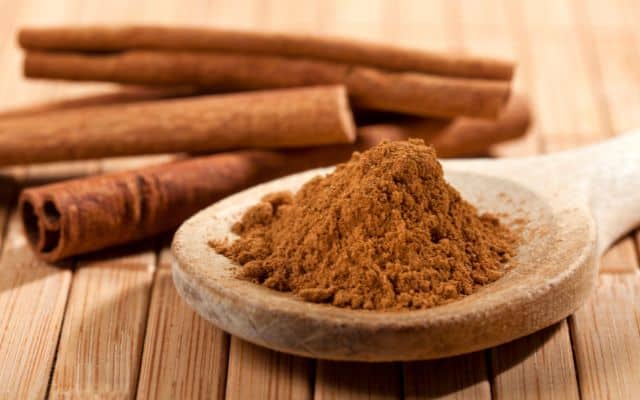
This warming spice isn’t just for your morning oatmeal or lattes—it’s also one of the most well-researched herbs for blood sugar balance.
Cinnamon may help lower fasting blood glucose levels by increasing insulin sensitivity and slowing the breakdown of carbohydrates in the digestive tract, which leads to more stable post-meal blood sugar levels.
A 2003 study published in the American Diabetes Association found that supplementing with (1, 3, or 6 g of cinnamon daily) for 40 days significantly reduced fasting blood glucose, triglycerides, LDL cholesterol, and total cholesterol in people with type 2 diabetes.
In particular, Ceylon cinnamon (sometimes called “true cinnamon”) is preferred over the more common Cassia variety, as it contains lower levels of coumarin, a compound that may cause liver irritation in high doses.
How to use: Add ½ to 1 teaspoon daily to smoothies, oatmeal, baked goods, or tea. It can also be taken in capsule form.
2. Berberine
Berberine is a potent plant compound found in several herbs, including goldenseal, barberry, and Oregon grape root.
Berberine has been shown in multiple studies to significantly lower blood sugar levels.
Some research even compares its effectiveness to the diabetes drug metformin.
A Study published in the Metabolism Journal found that the hypoglycemic effect of berberine was similar to that of metformin.
The study concluded that berberine is a potent hypoglycemic agent with beneficial effects on lipid metabolism.
Berberine improves insulin sensitivity, reduces glucose production in the liver, and supports a healthier gut microbiome, which plays a surprisingly important role in blood sugar regulation.
Important note: Berberine is powerful and can interact with medications, especially those that affect blood sugar or liver function. Always consult your healthcare provider before starting it.
How to use: Typically taken in supplement form (usually 500 mg, two to three times a day, with meals).
3. Fenugreek
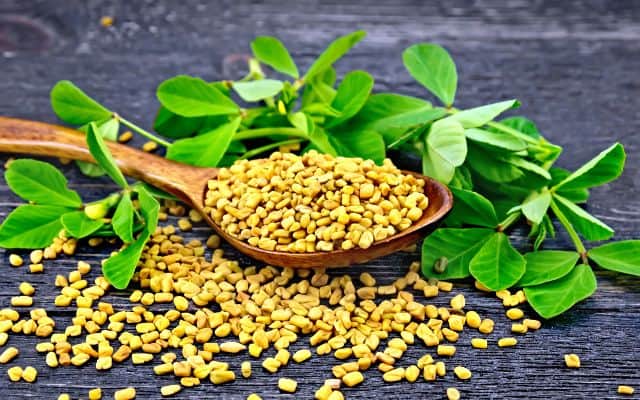
Fenugreek is a favorite in traditional Ayurvedic and Middle Eastern medicine and has been used for centuries to support metabolic health.
Fenugreek seeds are rich in soluble fiber, which helps slow the absorption of carbohydrates and reduce post-meal blood sugar spikes.
Some studies have found that fenugreek can improve glucose tolerance and even stimulate insulin production in the pancreas.
A 2023 study in the International Journal of Molecular Sciences found that fenugreek could improve overall glycemic control parameters and lipid profile.
How to use: Soak 1–2 teaspoons of seeds overnight in water and consume them (and the water) in the morning. You can also use fenugreek powder in cooking or take it in capsules.
4. Bitter Melon
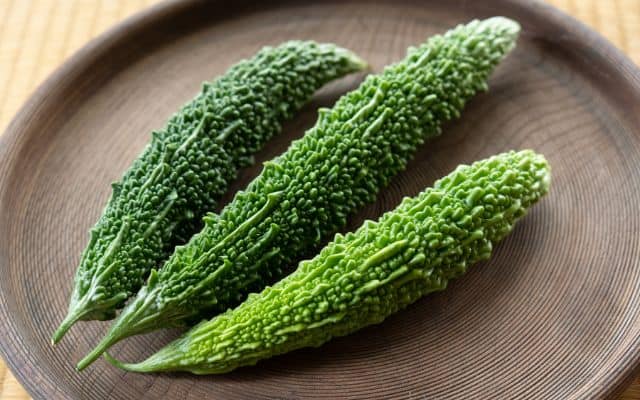
Bitter Melon is, well, not an herb, but it’s a natural remedy that has been found to help lower blood sugar.
As the name suggests, this gourd-like fruit has a very bitter taste, but it also has insulin-like properties that help transport glucose into the cells more efficiently.
A 2020 study found that 600mg bitter melon extract helped to lower blood sugar when administered before lunch and supper.
And a 2022 study found bitter melon extract improved blood sugar in prediabetic patients.
This effect was thought to be due to bitter melon’s effect on glucagon production in the liver.
It may also reduce glucose production in the liver and increase glucose uptake in peripheral tissues.
Bitter melon is widely used in traditional Chinese and Ayurvedic medicine for diabetes support.
How to use: Juice it fresh (start small, due to the strong taste and potency), stir-fry it in dishes, or take it as a supplement.
Use with caution if you’re already on blood sugar-lowering medications.
5. Gymnema Sylvestre
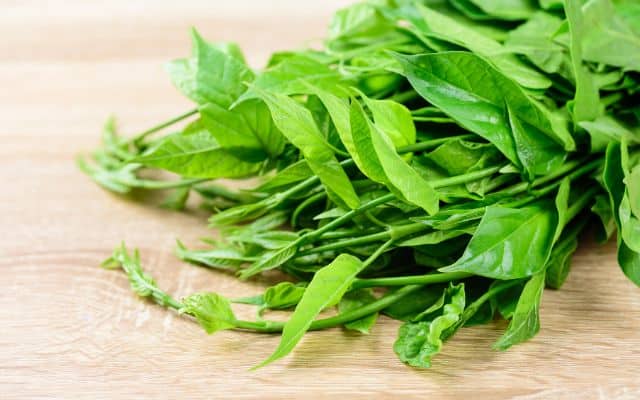
Nicknamed the “sugar destroyer,” this powerful herb has a unique ability to block sugar receptors on the tongue, reducing the desire for sweet foods, studies find.
According to a study published in Nutrients, gymnemic acid blocks lingual taste receptors, reducing the pleasantness of sweet food, leading to less intake.
Other studies, including this 2021 study, found that gymnema was effective in glycemic control and lipid levels reduction.
Even more impressively, it can help reduce sugar absorption in the intestines and support insulin function at the cellular level.
Studies show that gymnema may reduce both fasting and post-meal blood glucose levels, and it may help regenerate pancreatic beta cells, which are responsible for insulin production.
How to use: Available as a tea, capsule, or tincture.
Look for standardized extracts for consistent dosing.
6. Holy Basil (Tulsi)
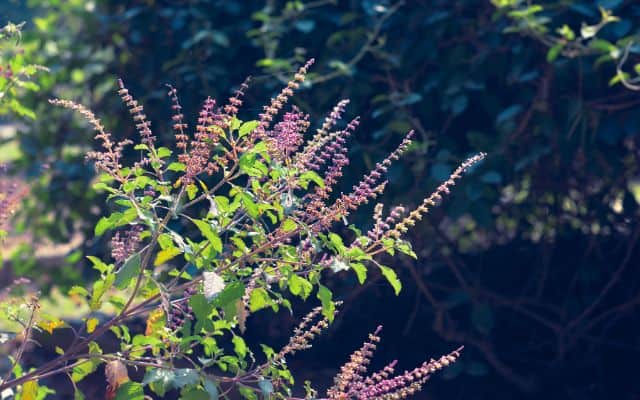
Holy Basil (Tulsi): The Incomparable One
Holy basil, also known as Tulsi, is far more than just a fragrant herb. In ancient Ayurvedic medicine, Tulsi is considered a sacred plant—a powerful rasayana (rejuvenator) that promotes longevity, vitality, and spiritual well-being. In fact, the name Tulsi itself means “the incomparable one,” reflecting just how deeply revered this herb has been for thousands of years in Indian tradition.
Tulsi goes by many names, each reflecting a layer of its significance:
- “Elixir of Life” for its adaptogenic and anti-aging properties
- “Queen of Herbs” due to its wide range of healing effects
- “Mother Medicine of Nature” because of its nourishing, protective qualities
- “Sacred Basil” in reference to its spiritual role in Hindu rituals and temple gardens
In Ayurveda, Tulsi is classified as sattvic—a substance that promotes clarity, peace, and harmony. It’s also considered an adaptogen, meaning it helps the body adapt to stress, both physical and emotional.
But Tulsi’s benefits go beyond calming the mind. Research shows it may play a role in blood sugar regulation by:
- Enhancing insulin sensitivity
- Supporting pancreatic beta-cell function
- Reducing post-meal blood sugar spikes
- Lowering fasting blood glucose levels in people with type 2 diabetes
One clinical study even found that patients with type 2 diabetes who took holy basil leaf powder daily saw a significant drop in both fasting and postprandial blood sugar levels.
You can enjoy holy basil as a tea, tincture, or capsule—but no matter the form, its healing presence is undeniable.
It’s one of those gentle yet powerful herbs that reminds us how nature has always offered support for balance and wellness.
Let me know if you’d like to format that into a Pinterest quote pin too (maybe with the “Elixir of Life” phrase!), or include a simple holy basil tea recipe.
This calming adaptogen is well-loved for its stress-reducing properties, but it may also support blood sugar balance by reducing cortisol levels, improving metabolism, and helping lower fasting blood glucose.
Chronic stress is a known contributor to insulin resistance, and adaptogenic herbs like holy basil help the body cope more gracefully.
A 2008 study in The Journal of Functional Foods found that Tulsi or holy basil may offer a natural therapy for type 2 diabetes and metabolic syndrome.
Another controlled double blind study found a significant reduction in postprandial and faster blood sugar.
How to use: Enjoy it as a tea (fresh or dried leaves), in capsules, or as a tincture.
Many people enjoy sipping holy basil tea in the afternoon or evening to help wind down and nourish the adrenals.
7. Turmeric (Curcumin)
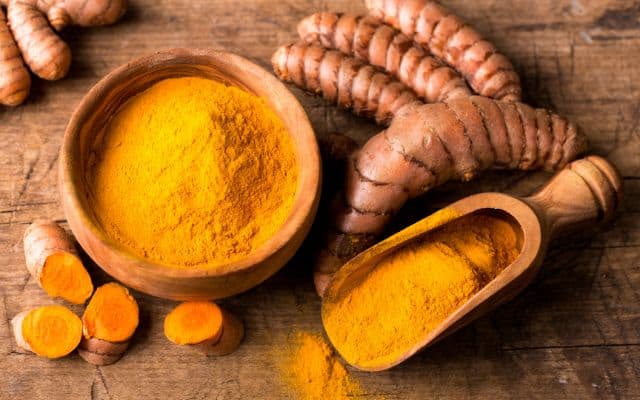
Turmeric is a vibrant yellow spice known for its anti-inflammatory and antioxidant properties, both of which are vital for long-term blood sugar control.
According to research, there is an interplay of oxidative stress, insulin resistance, dyslipidemia, and inflammation in type 2 diabetes.
A randomized controlled study in The Indian Journal of Clinical Biochemistry found that subjects on metformin and 2mg of turmeric experienced a reduction in blood sugar compared to those on metformin alone.
Curcumin, turmeric’s active compound, has been shown to improve insulin sensitivity and reduce markers of inflammation often elevated in metabolic syndrome.
Since turmeric has both antioxidant and anti-inflammatory properties, it may also help protect pancreatic beta cells, making it especially beneficial for long-term blood sugar regulation and metabolic health.
How to use: Add turmeric to soups, juices, smoothies, stews, or golden milk.
For therapeutic benefits, curcumin supplements with black pepper extract (piperine) greatly improve absorption.
8. Aloe Vera
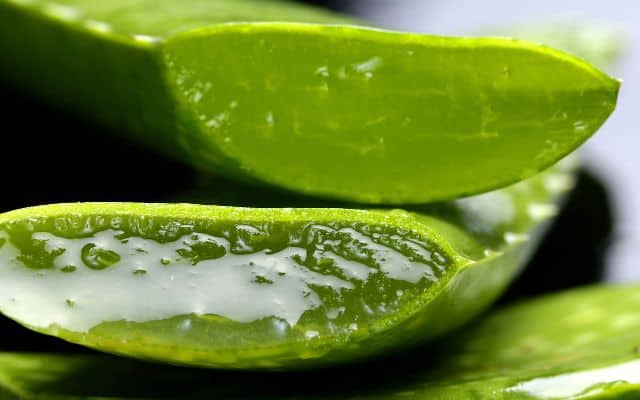
Often associated with skin health, aloe vera also has internal benefits, particularly when it comes to reducing fasting blood sugar and HbA1c levels.
A meta-analysis of 9 studies published in The Journal of Alternative and Complementary Medicine found that aloe vera reduced fasting blood sugar by 46. 6mg/dL.
The HBA1C was reduced by 1.05%, which is not a lot, however, it’s still a reduction.
A study in the Journal of Food Science and Technology, it appears to work by improving insulin sensitivity and helping the body better utilize glucose.
Make sure you’re using pure aloe vera juice without added sugars or laxatives like aloin.
How to use: Start with a small amount—about 1–2 tablespoons per day of high-quality aloe juice. Always check the label and avoid any varieties with added ingredients.
Final Thoughts
Managing blood sugar doesn’t have to feel overwhelming.
While medication and monitoring play a crucial role in both type 1 and type 2 diabetes, simple, consistent lifestyle choices can make a profound difference when managing type 2 diabetes or prediabetes.
There are many herbs that have been trusted for generations to help with various ailments, including blood sugar management, and modern science is now catching up to their potential.
When used judiciously, these herbs can support healthier blood sugar levels, improved insulin sensitivity, and a more balanced metabolism—all without the side effects that often come with conventional treatments.
But remember, it’s not about perfection.
Small daily habits, like sipping holy basil tea or adding cinnamon to your breakfast, can add up to big wins over time.
Pair these plant-powered allies with nourishing whole foods, gentle movement, good sleep, and stress relief—and you’re well on your way to more stable energy, clearer thinking, and better long-term health.
As always, let your healthcare provider be your partner on this journey. With the right tools and support, you have so much power to take charge of your health naturally.
Also Read:
The best mastering diabetes foods list
The Best Low-Carb Healthy Breakfasts for diabetes