Amazing benefits of stinging nettle
I remember picking stinging nettle as a little girl with my mother, and accidentally being stung by its hairs.
Thank you for reading this post, don't forget to subscribe!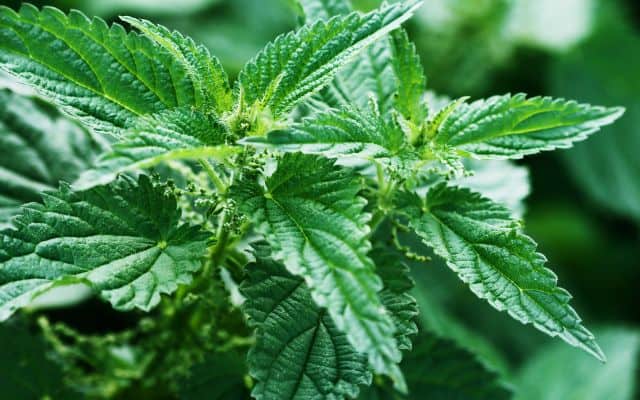
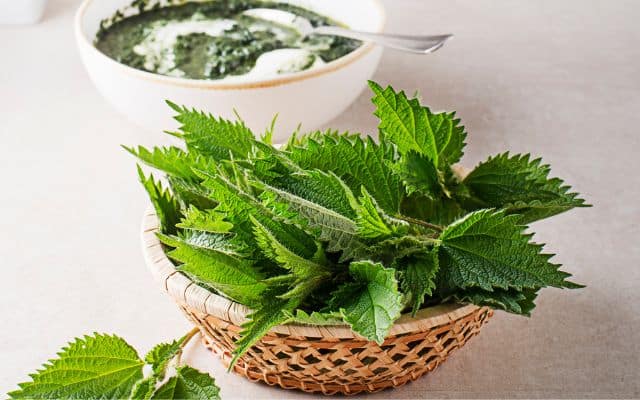
Stinging nettle grew lush and wild along a river near my home, and we would use it to make a common green mashed potato dish called mukimo. Still love it to this day.
Back then, though I did not know about the many amazing stinging nettle benefits, or that you could use the nettle to make a stinging nettle tea, and so much more.
Stinging nettle (Urtica dioica) is a nutrient-dense herb used for centuries in herbal medicine. Nettle has been used as a natural remedy for over 2000 years(source).
Stinging nettle is packed with vitamins, minerals, and bioactive compounds that offer numerous health benefits.
What is Stinging Nettle?
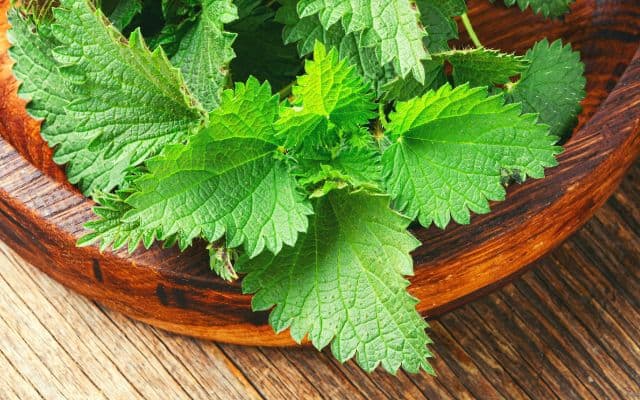
Stinging nettle (Urtica dioica) is a vibrant green, leafy plant that grows in temperate regions around the world.
It thrives in moist, nutrient-rich soil and can often be found along riverbanks, forests, and meadows.
Key Physical Characteristics:
✅ Leaves:
- Deep green, heart-shaped or lance-shaped with serrated (toothed) edges
- Covered in tiny, hair-like structures that contain irritants (hence the “sting”)
- Leaves grow in an opposite arrangement along the stem
✅ Stems:
- Square-shaped (similar to mint plants)
- Covered in fine, stinging hairs that release histamine and formic acid when touched, causing temporary skin irritation
✅ Flowers:
- Small, greenish or yellowish flowers
- Grow in drooping clusters from the leaf axils
- Bloom between late spring and summer
✅ Height & Growth Pattern:
- Can grow 2 to 5 feet tall
- Perennial plant, meaning it returns each year
- Spreads aggressively through underground rhizomes
Benefits of Stinging Nettle
1. Rich in Nutrients
Stinging nettle is a powerhouse of vitamins A, C, K, and several B vitamins. It also contains minerals like iron, calcium, magnesium, and potassium.
Nettle also contains phyto-nutrient polyphenols such as quercetin, flavanoids, and coumarins.
It’s also a great source of beta carotene, lutein, and carotenoids, and other antioxidants. making it an excellent herb for overall wellness.
Per a 2022 publication in NIH, here is a snapshot of stinging nettles’ nutritional profile:
Nutritional Composition of Urtica dioica L. NIH National Library of Science
Vitamins
| Vitamin | Amount | Daily Value (%) |
|---|---|---|
| Vitamin B1 (Thiamin) | 0.0 mg | 1% |
| Vitamin B3 (Niacin) | 0.4 mg | 2% |
| Choline, total | 17.4 mg | 3% |
| Vitamin B6 | 0.1 mg | 8% |
| Vitamin B2 (Riboflavin) | 0.2 mg | 12% |
| Vitamin A | 2011.0 IU | 67% |
| Vitamin K | 498.6 μg | 416% |
Minerals
| Mineral | Amount | Daily Value (%) |
|---|---|---|
| Selenium | 0.3 μg | 1% |
| Zinc | 0.3 mg | 2% |
| Phosphorus | 71.0 mg | 7% |
| Copper | 0.1 mg | 8% |
| Potassium | 334.0 mg | 9% |
| Iron | 1.6 mg | 9% |
| Magnesium | 57.0 mg | 14% |
| Manganese | 0.8 mg | 34% |
| Calcium | 481.0 mg | 37% |
Calories & Macronutrients
| Nutrient | Amount | Daily Value (%) |
|---|---|---|
| Carbohydrates | 7 g | 2% |
| Fiber | 7 g | 24% |
| Protein | 2.4 g | 5% |
As you can see, nettle is a powerhouse of nutrition.
2. Supports Joint and Muscle Health
Nettle has natural anti-inflammatory properties that may help reduce pain and stiffness associated with arthritis, gout, and muscle soreness.
Studies such as this 1996 study show that nettle extract reduces inflammatory markers and partially inhibits prostaglandin and leukotriene -pain-causing compounds in rheumatic diseases.
Some studies suggest it may work similarly to nonsteroidal anti-inflammatory drugs (NSAIDs).
3. May Help Reduce Allergies
Stinging nettle contains compounds that can block histamine production, potentially reducing symptoms of seasonal allergies such as sneezing, runny nose, and itchy eyes( source).
4. Boosts Iron Levels and Supports Blood Health
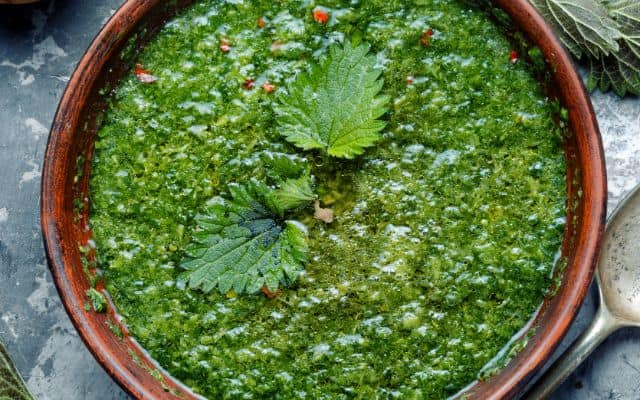
While nettle only contains about 1.5-1.6 mg of iron per cup, it also contains vitamin C, which makes this iron easy to absorb.
This makes nettle a great complementary source of iron for anyone needing to boost iron levels.
Learn more about signs and symptoms of iron deficiency and other foods that help boost iron levels.
Vitamin C helps enhance iron absorption, making it a natural remedy for fatigue and low blood count.
5. Supports Kidney and Urinary Health
Nettle acts as a natural diuretic, helping to flush excess fluids and toxins from the body.
Stinging nettle is commonly used to support kidney health, reduce water retention, and alleviate symptoms of urinary tract infections (UTIs).
6. Supports Prostate and Testosterone Health in Men
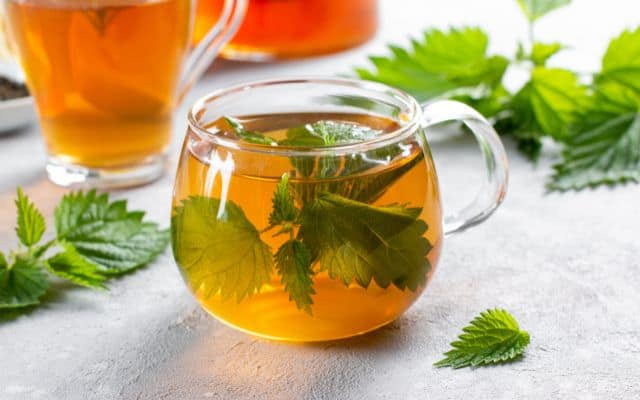
Nettle may improve benign prostatic hyperplasia (BPH) in men.
Many men over 50 years of age suffer from problems of an enlarged prostate or benign prostatic hyperplasia (BPH).
Nettle has been shown to support testosterone balance and prostate health.
Research shows that stinging nettle extract can reduce testosterone-induced prostate hyperplasia by reducing the accumulation of prostate cells, similar to the drug finasteride.
Research shows nettle may help block the enzyme that converts testosterone into dihydrotestosterone (DHT), a hormone linked to hair loss and prostate enlargement (BPH).
Nettle root extract is often used in natural prostate supplements to reduce inflammation and improve urinary function.
This helps to reduce urinary symptoms of enlarged prostate, such as weak flow, frequent urination, and nocturia(nighttime need to urinate).
7. Balances Blood Sugar Levels
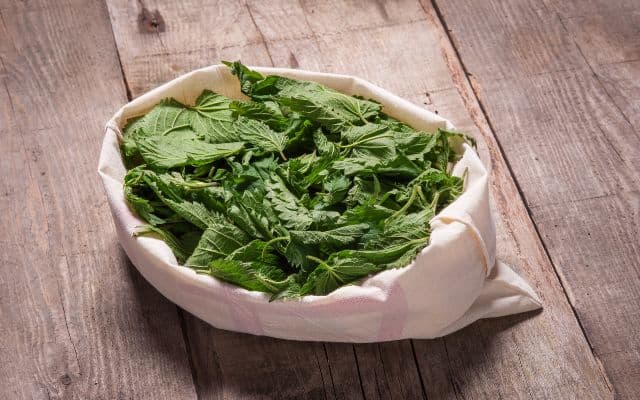
Diabetes and insulin resistance are examples of hormone imbalance. In this case insulin hormone imbalance.
Some research suggests that nettle can help regulate blood sugar by improving insulin sensitivity and reducing glucose levels.
And that makes nettle potentially beneficial for people with diabetes or metabolic disorders.
According to a 2010 study, nettle contains peptides that facilitate glucose uptake by forming unique glucose permeable pores in the cell, thus improving glucose sensitivity.
Several animal studies, including this 2018 study, also found a significant reduction in glucose levels and increased insulin production.
8. Promotes Healthy Skin and Hair
Nettle is rich in vitamins such as vitamin A, C, B, K, and E, plus minerals like magnesium, potassium, iron, and calcium, antioxidants, and silica, which support collagen production, reduce inflammation, and improve skin conditions like eczema and acne.
These nutrients keep both hair and skin healthy.
Nettle also helps reduce inflammation and relax blood vessels, improving circulation, which then boosts hair growth and health, and of course, healthy skin cell turnover for glowing skin.
Read more on the top 23 best foods to eat for glowing skin.
Nettle may also be used to strengthen hair, reduce dandruff, and promote hair growth.
9. Supports Heart Health
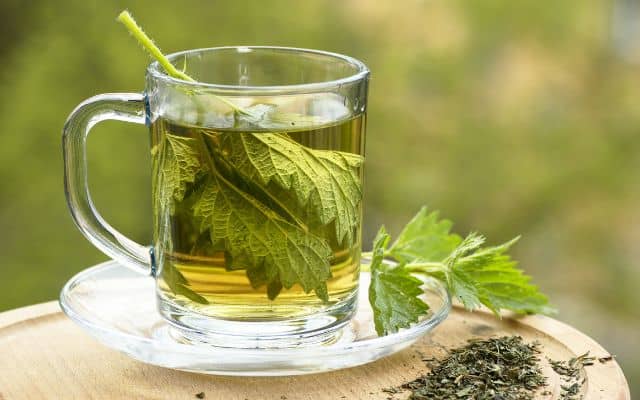
Nettle has been used as a remedy for hypertension for many years in traditional medicine.
Nettle has been shown in several research studies to lower both systolic and diastolic blood pressure levels.
Nettle may help lower blood pressure and cholesterol levels due to its ability to improve circulation, reduce inflammation, and act as a natural vasodilator.
The effects of nettle on heart health should be understood in relation to its effect on metabolic syndrome and associated chronic problems related to metabolic syndrome.
These include high glucose levels, hypertension, and hyperlipidemia.
A 2022 systematic review states that nettle’s effect on hypertension is due to its richness in flavanoid, formic acid, and its effect on calcium and potassium channels that help improve blood pressure.
Additionally, per the same study, nettle contains quercetin, a flavanoid that reduces cholesterol.
Plus, as has been discussed and mentioned in this study, nettle improves blood sugar by boosting insulin sensitivity and increasing. pancreatic beta cells proliferation.
10. Aids in Digestive Health
Nettle may help soothe digestive discomfort, support gut health, and reduce bloating and cramping.
Its anti-inflammatory effects may also benefit individuals with conditions like IBS or leaky gut.
11. May Support Hormonal balance.
Stinging nettle is sometimes used in herbal medicine to help balance hormones, particularly in cases of PCOS, menopause, or adrenal fatigue.
It may also help reduce symptoms of PMS and support reproductive health.
How Stinging Nettle Supports Hormonal Balance
Stinging nettle (Urtica dioica) is a powerful adaptogenic herb that supports hormonal balance in both men and women.
Its rich nutrient profile, anti-inflammatory properties, and effects on key endocrine functions make it an excellent natural remedy for hormone-related issues.
1. Supports Estrogen and Progesterone Balance
Nettle contains plant compounds that can help modulate estrogen levels in the body.
In essence, nettle has compounds that regulate aromatase and an enzyme that converts testosterone into estrogen.
If there is too much aromatase, then estrogen levels can get elevated and out of balance, causing estrogen dominance and even some cancers.
If estrogen levels are too high, nettle may aid in clearing excess estrogen by supporting liver detoxification.
Nettle root inhibits the activity of aromatase, thereby preventing excess estrogen production.
This makes nettle particularly helpful for women dealing with estrogen dominance, PMS, and perimenopause symptoms like mood swings, bloating, and irregular cycles.
On the other hand, if estrogen is too low, nettle’s phytonutrients and minerals (such as magnesium and zinc) can help nourish the endocrine system and promote hormonal equilibrium.
Specifically, nettle root modulates the activity of SHBG, or sex hormone binding globulin. SHBG binds free testosterone, making it inactive.
If there is too much SHBG, then there will be low estrogen and low testosterone, which can cause low sex drive in women and erectile dysfunction in men, plus other low sex hormone problems.
However, low SHBG means excess testosterone and androgens often associated with PCOS.
2. Reduces PMS and Menopause Symptoms
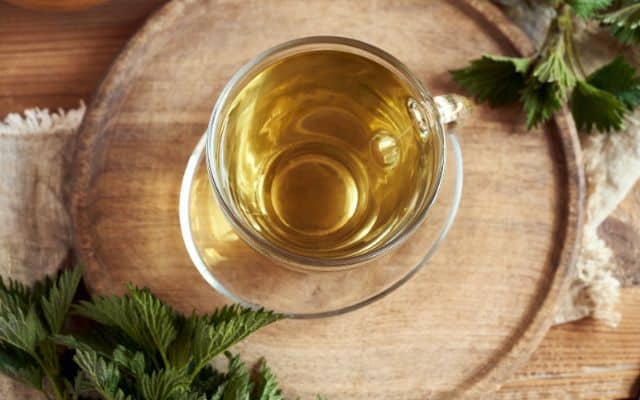
Nettle is rich in iron, calcium, and vitamin K—nutrients that help with menstrual health and reduce common symptoms like heavy periods, cramping, and fatigue.
Its anti-inflammatory properties may also alleviate period pain and support smoother menstrual cycles.
For menopausal women, nettle’s calcium and magnesium content support bone health, reducing the risk of osteoporosis.
Additionally, its mild diuretic properties may help alleviate water retention and bloating, which are common during hormonal fluctuations.
3. Supports Adrenal Health and Lowers Cortisol
Chronic stress leads to high cortisol levels, which can cause increased cortisol levels leading to fatigue, weight gain (especially around the belly), and hormone imbalances.
Nettle is a nourishing adaptogen that helps the adrenal glands function optimally, promoting better stress resilience and energy levels.
It’s a rich source of vitamin C, which is known to improve adrenal health and prevent adrenal fatigue.
Stinging nettle also contains compounds that support liver detoxification, which is crucial for breaking down and eliminating excess stress hormones like cortisol, as well as excess estrogen.
Related: The best herbs for Liver Detox
4. Helps with PCOS and Blood Sugar Balance
One of the major signs of PCOS is increased androgens and inherent problems such as acne, infertility, and irregular periods.
For women with polycystic ovary syndrome (PCOS), nettle may help by supporting insulin sensitivity.
Since insulin resistance is a common root cause of PCOS symptoms (such as irregular periods, weight gain, and excessive androgens), nettle’s ability to regulate blood sugar can contribute to better overall hormonal balance.
Its anti-inflammatory properties may also help reduce androgen dominance, which can contribute to acne, hair thinning, and excess body hair growth.
5. Supports Thyroid Function
Nettle provides essential thyroid-supporting nutrients, including iodine, selenium, and iron.
These minerals are crucial for healthy thyroid hormone production, nettle is beneficial for those with hypothyroidism or sluggish thyroid function.
Related: Signs of thyroid hormone imbalance.
How to Use Stinging Nettle for Hormonal Balance
- Tea: Drinking nettle tea daily can help support hormonal health naturally. Steep 1–2 teaspoons of dried nettle leaves in hot water for 10–15 minutes.
- Tinctures or Capsules: If you need a more concentrated dose, nettle supplements are available in tincture or capsule form.
- Infused Vinegars or Broths: Nettle can be added to soups or stews to boost mineral intake.
- Smoothies: Fresh or dried nettle can be blended into a smoothie for an added nutrient boost.
Potential Anti-Cancer Benefits
Nettle is packed with antioxidants such as polyphenols, flavonoids, and carotenoids.
These compounds help neutralize free radicals, which can cause oxidative stress and lead to DNA damage, a key factor in cancer development.
Anti-Inflammatory Effects
Chronic inflammation is a known risk factor for cancer progression.
Nettle has been found to inhibit pro-inflammatory pathways, reducing the expression of cytokines like TNF-α and IL-6, which are involved in tumor growth.
Research suggests that nettle extracts can induce apoptosis (programmed cell death) in cancer cells by inhibiting cancer cells’ growth through apoptosis.
Also, Lectins found in nettle have been shown to bind to cancer cell membranes and interfere with their growth.
Hormone-Balancing Nettle Tea Recipe
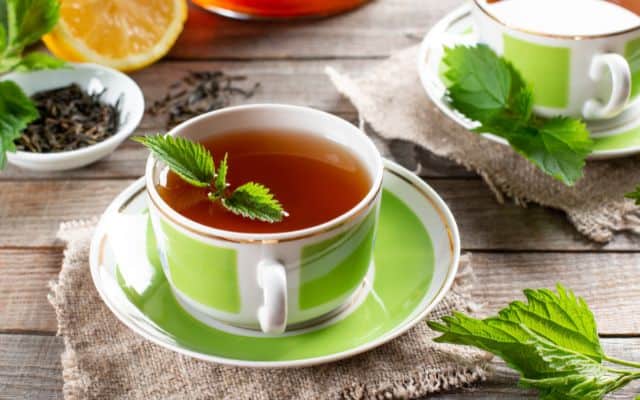
This nourishing herbal tea helps support hormone balance, reduce inflammation, and boost overall well-being.
It’s rich in minerals like magnesium, calcium, and iron—perfect for menstrual health, adrenal support, and thyroid function.
Ingredients:
- 1 tablespoon dried stinging nettle leaves
- 1 teaspoon dried red raspberry leaf (for reproductive health & cycle support) (optional)
- ½ teaspoon dried spearmint (helps balance androgens, great for PCOS) (optional)
- 1 teaspoon dried lemon balm (supports stress relief & cortisol balance) (optional)
- 2 cups hot water
- 1 teaspoon honey or lemon (to taste) (optional)
Instructions:
- Boil Water: Bring 2 cups of water to a boil.
- Steep Herbs: Add the dried nettle leaves (and any optional herbs) to a teapot or mug. Pour hot water over the herbs.
- Cover & Steep: Let it steep for 10–15 minutes to extract the beneficial compounds. The longer it steeps, the stronger the tea.
- Strain & Enjoy: Strain out the herbs and enjoy warm. Add honey or lemon if desired.
How Often to Drink:
For best results, drink 1–2 cups daily as part of your wellness routine.
Precautions and Potential Side Effects of Nettle
1. Handling Fresh Nettle
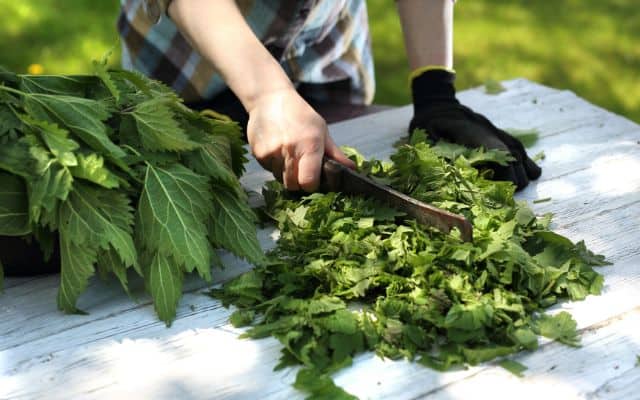
- The fresh leaves and stems have stinging hairs that contain histamine, formic acid, and other irritants that can cause temporary skin irritation or a burning sensation.
- Always wear gloves when handling fresh nettle, or blanch it to neutralize the stinging effect before consuming.
2. Allergic Reactions
- Some people may experience allergic reactions, especially those sensitive to plants in the Urticaceae family.
- Symptoms may include itching, rash, or hives. If any allergic reaction occurs, discontinue use immediately.
3. Interaction with Medications
Nettle may interact with certain medications, so people taking the following should consult their doctor before use:
- Blood Thinners (e.g., Warfarin, Aspirin) – Nettle is rich in vitamin K, which can interfere with blood clotting.
- Diabetes Medications – Nettle may lower blood sugar levels, potentially leading to hypoglycemia when combined with diabetes medications.
- Blood Pressure Medications – Since nettle may lower blood pressure, it could enhance the effects of antihypertensive drugs, leading to dizziness or fainting.
- Diuretics (Water Pills) – Nettle has natural diuretic properties, so combining it with prescription diuretics may increase the risk of dehydration or electrolyte imbalance.
4. Pregnancy and Breastfeeding
- Nettle is traditionally used to support lactation, but it may also stimulate uterine contractions, increasing the risk of miscarriage in early pregnancy.
- Pregnant women should avoid nettle unless advised otherwise by a healthcare provider.
5. Kidney and Liver Conditions
- Due to its diuretic effects, nettle may place extra strain on the kidneys. Those with kidney disease or kidney stones should use caution.
- There are some concerns that excessive nettle consumption may impact liver function, though more research is needed.
6. Potential for Gastrointestinal Discomfort
- Some individuals may experience mild stomach upset, nausea, or diarrhea when consuming nettle, especially in high doses.
- Start with a small amount and gradually increase intake to assess tolerance.
Final words on the benefits of Stinging Nettle for health
Nettle (Urtica dioica) is a powerhouse herb packed with essential vitamins, minerals, antioxidants, and anti-inflammatory compounds that support overall health.
From boosting immunity and improving digestion to balancing hormones and even showing promise in cancer research, nettle offers a wide range of benefits.
Its diuretic properties can aid kidney function, while its rich iron content makes it a great natural support for energy and vitality.
However, as with any powerful herb, it’s important to use nettle wisely. Be mindful of potential interactions with medications, its effects on blood sugar and blood pressure, and its potential to cause allergic reactions.
Pregnant women and those with kidney conditions should consult a healthcare provider before use.
Incorporating nettle into your daily routine—whether as a tea, supplement, or fresh green—can be a simple yet effective way to enhance your health naturally.
If you’re new to nettle, start with small amounts and listen to your body. With the right precautions, this nutrient-dense plant can be a wonderful addition to a wellness-focused lifestyle.
Give nettle a try and experience its many benefits for yourself!