Top Best 27 High Fiber Foods to Boost Your Health
The Best Fiber Foods You Should Eat Daily
We hear a lot about protein, low carb, and calcium, but what about fiber? Fiber is the unsung hero of the nutritional world.
Thank you for reading this post, don't forget to subscribe!
But no more.
In this post, we are going to put fiber on the pedestal it so rightly deserves.
First, we’re going to list the top high fiber foods you should be eating every day to get the recommended amount.
The unfortunate thing is that many people who consume the Sad diet don’t eat enough fiber.
Research shows that most people only consume about 15 g of fiber per day, which falls short of the recommended 25-38g per day.
If you’ve ever felt sluggish, bloated, or like your meals just aren’t keeping you full, chances are you could use a little more fiber in your diet.
Fiber is the unsung hero of nutrition.
It not only keeps your digestion regular but also helps balance blood sugar, lowers cholesterol, and even supports hormone health by aiding healthy estrogen metabolism.
And here’s the best part: fiber-rich foods often come loaded with a bonus package of vitamins, minerals, and antioxidants that keep your whole body functioning at its best.
Why Fiber Matters for Your Health
- Improves digestion and supports regularity
- Helps control blood sugar by slowing glucose absorption
- Supports heart health by reducing LDL cholesterol
- Aids healthy weight management by increasing satiety
- Promotes hormone balance through better estrogen metabolism and stable blood sugar
- Feeds good gut bacteria for a stronger immune system and reduced inflammation
And yes, you can boost your fiber intake with a supplement, but eating real food is even better because it is not only tasty but also offers numerous other health benefits.
Below, we’ll explore 30 delicious, naturally high-fiber foods you can start adding to your meals in ways that are both tasty and nourishing.
Legumes & Beans
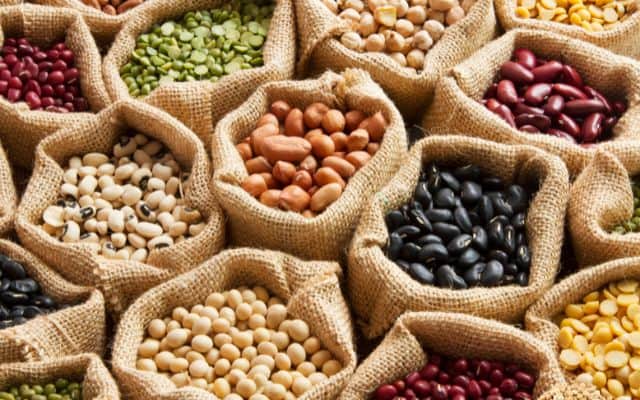
Split Peas
Split Peas Split peas are a fiber powerhouse. 1 cup cooked split peas provides 16.3 g fiber.
Split peas are also packed with folate for cell health, manganese for metabolism, and plant-based protein for muscle repair.
They’re perfect in hearty soups that keep you full and fueled.
Lentils
These quick-cooking legumes are rich in fiber, with 1 cup providing 15.6 g of fiber.
Lentils are also a great source of iron for healthy red blood cells, folate for brain function, and protein for satiety.
Their slow-digesting carbs help steady blood sugar levels.
Pinto Beans
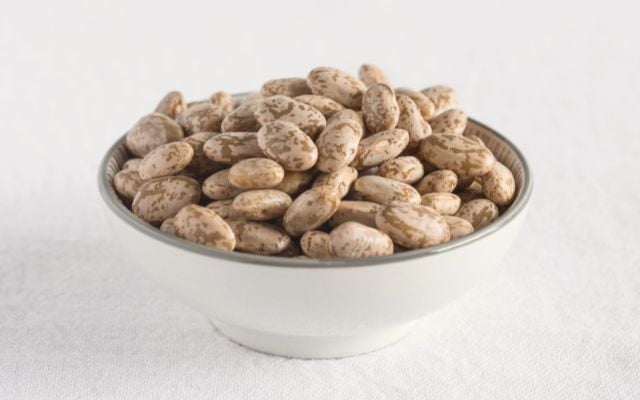
One cup of cooked pinto beans provides about 15.4 g of fiber.
Pinto beans are a great source of fiber, and are so versatile, great for many recipes from chili to refried beans and more.
Creamy and mild, pinto beans offer magnesium for muscle function, potassium for healthy blood pressure, and iron for oxygen transport.
They shine in chili, stews, and Mexican-inspired dishes.
Black Beans
Another great source of fiber, black beans provide about 15 grams per cooked cup, which is almost half your required daily values.
Packed with magnesium, protein, carbs for energy, and folate for cell repair, and antioxidant compounds that fight inflammation, black beans add richness to salads, tacos, and grain bowls.
Plus, black beans can be turned into veggie burgers, soups, and more.
Kidney Beans
Rich in iron, folate, and manganese, kidney beans are also a great source of fiber. 1 cup cooked has 13.1 g fiber.
Their hearty texture makes them a perfect ingredient for stews and chilis. They are also a good source of protein.
Chickpeas
Nutty and versatile, chickpeas are rich in manganese, folate, and protein and are a rich source of fiber. 1 cup cooked chickpeas provides 12.5 g fiber.
Roast them for a crunchy snack or blend them into creamy hummus. And they are also great in salads.
Try this delicious Mediterranean chickpea salad and enjoy a delicious meal full of fiber and other healthy nutrients.
Edamame
Endamame are the tender young soybeans that also happen to be a great source of fiber.
1 cup of cooked edamame provides 8.1 g of fiber. Edamame are also a good source of vitamin K, folate, and a good source of protein.
Whole Grains
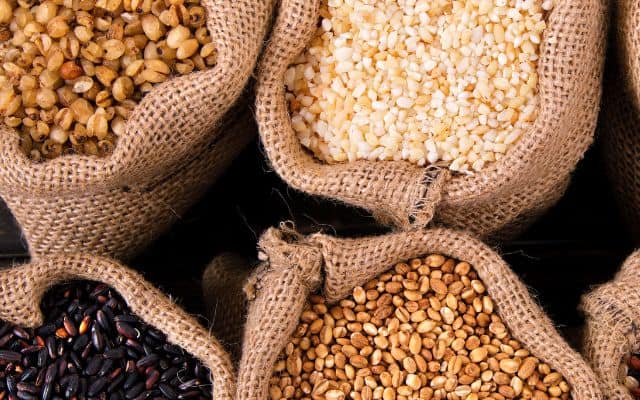
Bulgur
1 cup of cooked bulger provides 8.2 g of fiber.
This quick-cooking grain is rich in iron for oxygen transport, magnesium for nerve health, and manganese for bone support. It’s delicious in tabbouleh or warm grain salads.
Quinoa
Quinoa is a gluten-free grain that’s actually a complete protein. Quinoa is a rich source of fiber, with 1 cup cooked providing 5.2 g of fiber.
Quinoa also offers magnesium, manganese, and zinc.
Barley
1 cup of cooked Barley hulled provides 6 g of fiber
Chewy and hearty, barley is a great source of selenium for immunity, copper for energy production, and manganese for healthy bones.
Farro
1 cup cooked, 7.5 g fiber
This nutty ancient grain packs magnesium, zinc, and protein, making it a satisfying addition to salads, soups, or risottos.
Brown Rice
1 cup cooked, 3.5 g fiber
Keeping the bran intact means brown rice is rich in magnesium for nerve function, selenium for antioxidant defense, and manganese for metabolism.
Oats
1 cup cooked, 4 g fiber
Famous for their heart-healthy beta-glucan, oats also supply manganese, phosphorus, and magnesium to support bone and energy health.
Whole Wheat Bread
1 slice, 2 g fiber
When whole wheat bread is made from 100% whole wheat, it provides B vitamins for energy, iron for healthy blood, and magnesium for optimal muscle function.
Fruits
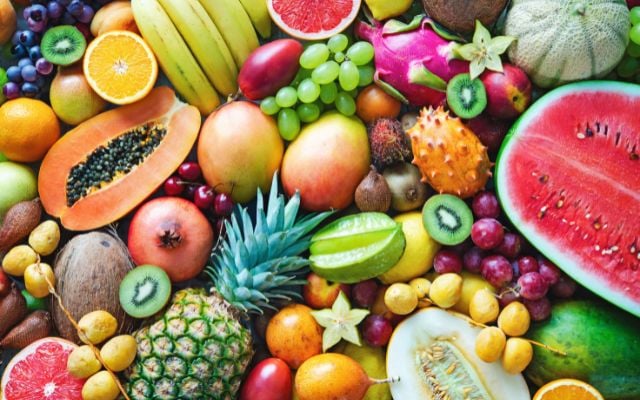
Raspberries
These bright berries are not only loaded with vitamin C for immunity, manganese for bone health, and antioxidants for inflammation control, but are also a good source of fiber. A cup provides about 8 g of fiber.
Blackberries
1 cup of blackberries provides 7.6 g of fiber
Sweet-tart and nutrient-dense, blackberries are rich in vitamin K, manganese, and anthocyanins, powerful anti-inflammatory compounds.
Pears
To get the most fiber from pears, eat them with the skin on. Pears are
juicy and refreshing.
Pears offer vitamin C for collagen production, potassium for heart health, and copper for energy, plus 6g of fiber per medium pear.
And it’s easy to incorporate pears in your daily diet. Eat straight up or make delicious fruit desserts, and they are great in salads as well.
Apples
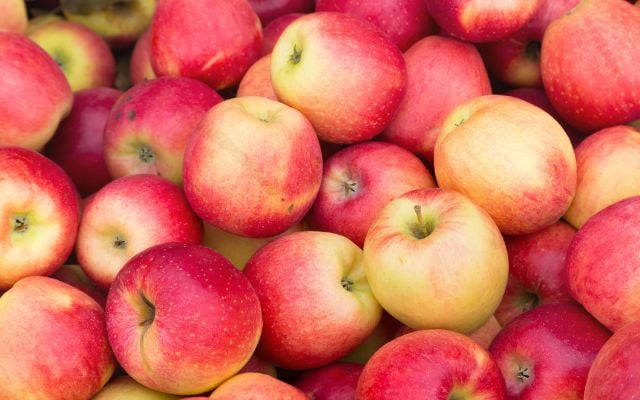
Apples
Apples with Skin 1 medium, 4.4 g fiber
Crisp apples give you vitamin C, potassium, and antioxidant-rich pectin fiber, which is great for gut health.
Apples make for a great snack. Eat with a little peanut butter, and you have a satisfying, high-fiber snack.
Figs
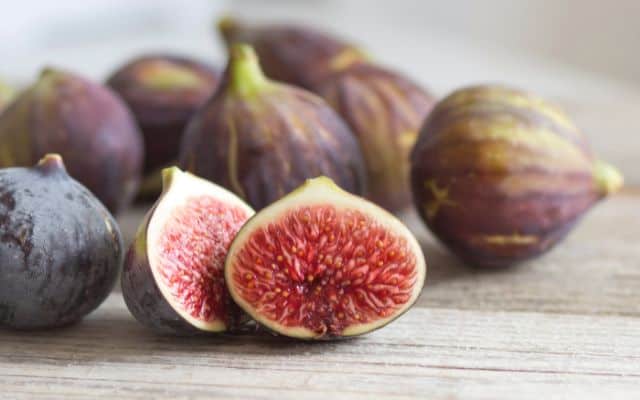
Figs are a great source of fiber and are naturally sweet. So they are easy to eat as a fruit or to use in desserts.
A 1/2 cup of dried figs provides 7.5 g of fiber.
Figs are also rich in potassium, making them great for maintaining healthy blood pressure. They are rich in calcium for strong bones and are a great source of magnesium.
Prunes
Prunes 1/2 cup, 6.2 g fiber
Known for keeping digestion regular, prunes also provide vitamin K for bone strength, potassium for heart health, and polyphenols for cell protection.
Avocados
Avocados are another superfood rich with healthy fats, a rich source votamins and minerals such as vitamin K, potassium, and magnesium.
And avocados are also high in fiber. Just 1 medium avocado provides a whopping 10 grams of fiber!
And avocados are deliciously creamy and satisfying, perfect as a snack, on salads, and in smoothies. Try this avocado blueberry smoothie. It’s so good!
Vegetables
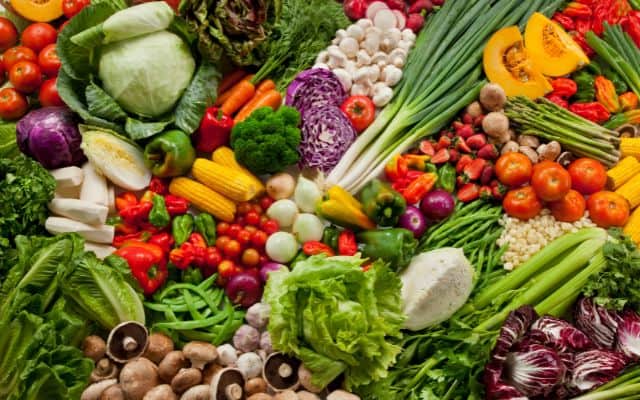
Artichoke (1 medium, 6.9 g fiber)
Packed with vitamin C, folate, and magnesium, artichokes also contain compounds that support liver detoxification.
Broccoli 1 cup cooked, 5.1 g fiber
Broccoli is an amazing superfood that also happens to be a great source of fiber. 1 cup of cooked broccoli provides 1.5 grams of fiber.
Broccoli, a cruciferous veggie, is also rich in vitamin C, vitamin K, and folate.
And broccoli is delicious in soups and salads, and even as an easy high fiber snack with some ranch dressing or dressing, or dip of your choice.
Brussels Sprout
Brussels Sprouts 1 cup cooked, 4.1 g fiber
High in vitamin C, vitamin K, and antioxidants, Brussels sprouts support immune health and reduce inflammation.
Carrots
Carrots are not only delicious but also are a good source of fiber and other nutrients.
1 cup of raw carrots provides 3.6 grams of fiber. Carrots are rich in beta-carotene (vitamin A) for eye health, potassium for blood pressure, and biotin for skin and hair.
Sweet Potato with Skin
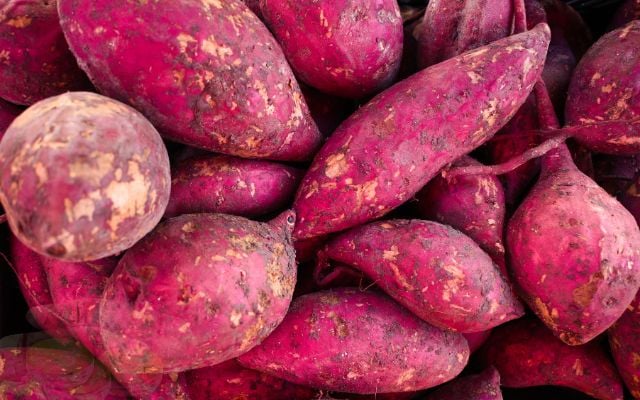
Sweet potatoes are an amazing vegetable, full of nutrients such as vitamin A for vision, potassium, and manganese, and of course, fiber.
Sweet potatoes are a good source of fiber, with 1 medium sweet potato with skin on providing 4g of fiber.
Beets
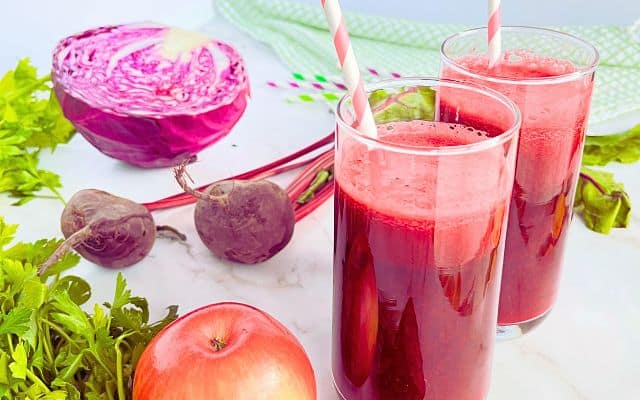
Beets’ health benefits are many, including providing nitrate for better blood flow and energy. Beets are also a great source of fiber, with 1 cup cooked providing 3.8 g of fiber.
Known for their vibrant color, beets contain folate for DNA repair, manganese for bone strength, and nitrates that may lower blood pressure.
Spinach
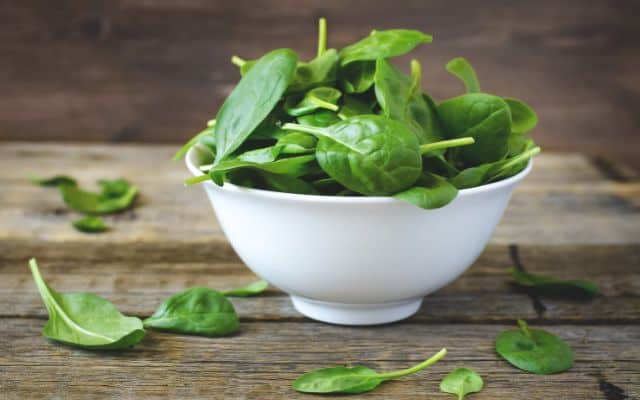
Leafy and nutrient-rich, spinach delivers 4.3 g of fiber per 1 cooked cup. Additionally, spinach is rich in vitamin A, vitamin K, and folate to support immunity, blood health, and cell repair.
Nuts & Seeds
Tiny but mighty, chia seeds are an amazing source of fiber, with 2 tbsp of chia seeds providing 10 g of fiber.
Chia seeds also provide omega-3 fatty acids for brain health, calcium, and magnesium.
Flaxseeds
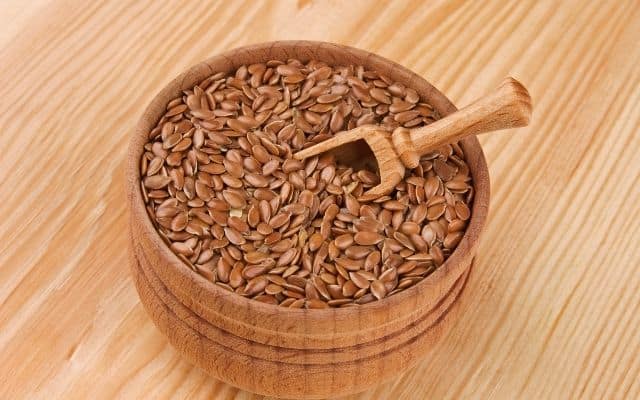
Flax seeds are not only rich in omega-3s and lignans, magnesium, but also provide fiber.
And these healthy seeds are also a great source of fiber.
2 TBS of flax seeds provide 5.6 g of fiber. Flaxseeds are best eaten ground for maximum benefit, and can easily be incorporated into smoothies for a nutrient boost.
The Bottom Line
Adding more fiber to your diet doesn’t have to be complicated.
By including a mix of legumes, whole grains, fruits, vegetables, nuts, and seeds, you’ll not only hit your daily fiber goals but also load your plate with the vitamins, minerals, and antioxidants your body needs to thrive.
Whether it’s a handful of berries in your breakfast, beans in your lunch salad, or roasted vegetables at dinner, these small, daily choices create a big impact on digestion, hormone health, and overall wellness.