10 Powerful Hibiscus Tea Benefits For Your Health
If you have ever sipped a cup of hibiscus tea, you know how soothing and invigorating it is.
Thank you for reading this post, don't forget to subscribe!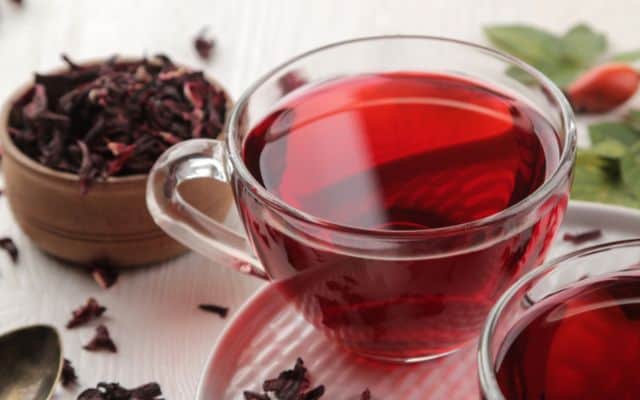
But have you ever wondered about the hibiscus tea benefits for your health?
Hibiscus tea, made from the dried petals of the Hibiscus sabdariffa plant, is not only deliciously tart and refreshing but also packed with health benefits.
What is Hibiscus Tea?
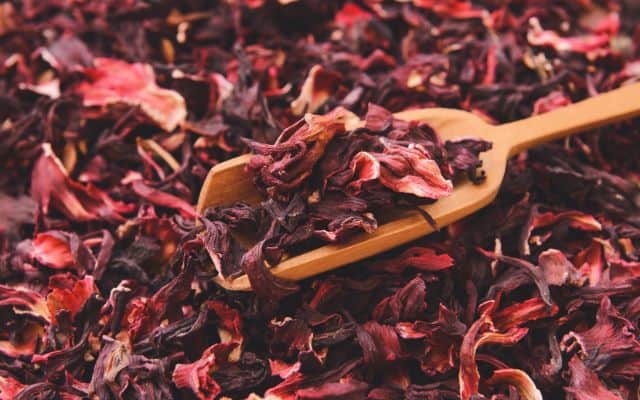
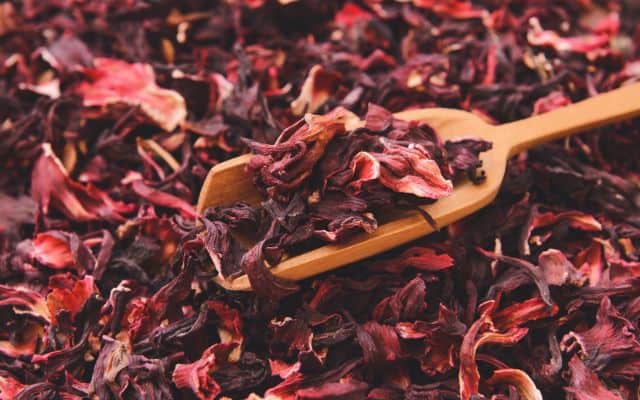
Hibiscus tea is a herbal tea made from the dried petals of the Hibiscus sabdariffa flower, also known as roselle.
It has a vibrant ruby-red color and a tart, cranberry-like flavor that can be enjoyed hot or iced.
Unlike traditional teas, hibiscus tea is caffeine-free, making it a great choice for any time of day.
The tea is made from the calyces of the hibiscus flower, which are the cup-shaped structures that protect the petals before they bloom.
These calyces are rich in antioxidants, vitamins, and natural pigments that give the tea its signature deep red color.
Hibiscus tea is popular worldwide and is known by different names, such as “sorrel” in the Caribbean, “karkade” in North Africa and the Middle East, and “agua de Jamaica” in Latin America.
It’s often sweetened with honey or sugar to balance its natural tartness.
Here are some of the key benefits of drinking hibiscus tea:
1. Rich in Antioxidants
Research shows that hibiscus is a great source of antioxidants and helps to lower oxidative stress that causes cell damage, leading to health problems.
Hibiscus tea is loaded with powerful antioxidants like flavonoids and anthocyanins, which help fight free radicals, reduce oxidative stress, and protect your cells from damage.
This can help reduce the risk of chronic diseases and slow down the aging process.
2. Supports Heart Health
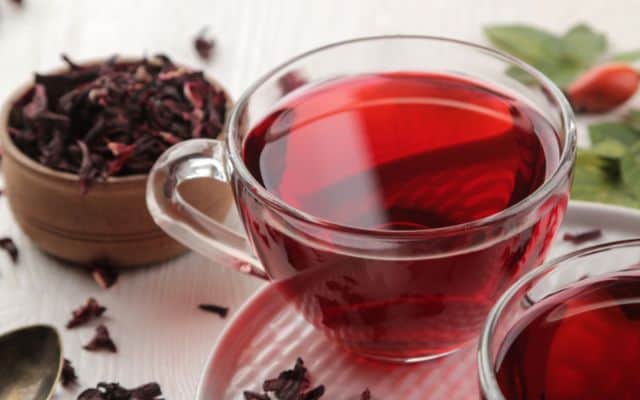
Research studies such as this study show that drinking hibiscus tea can help lower blood pressure.
Hibiscus tea has been shown to help lower blood pressure, which is beneficial for heart health.
Studies suggest that drinking hibiscus tea can significantly reduce both systolic and diastolic blood pressure levels, making it a great natural option for those with hypertension.
3. Aids in Lowering Cholesterol
Regular consumption of hibiscus tea may help reduce LDL (bad) cholesterol levels and increase HDL (good) cholesterol, contributing to improved cardiovascular health.
A study comparing the effect of hibiscus tea compared to black tea on the lipid profile of patients with diabetes found that subjects who took hibiscus tea had a significant decrease in cholesterol and triglycerides.
Also, a 2022 systematic review study on the effect of hibiscus on cardiovascular markers, including lipid profile, found that hibiscus lowered bad cholesterol.
4. Boosts Liver Health
Hibiscus tea may help improve liver function by increasing the production of detoxifying enzymes.
It also helps reduce liver damage and fat accumulation, which is particularly beneficial for those with fatty liver disease.
5. Supports Weight Loss
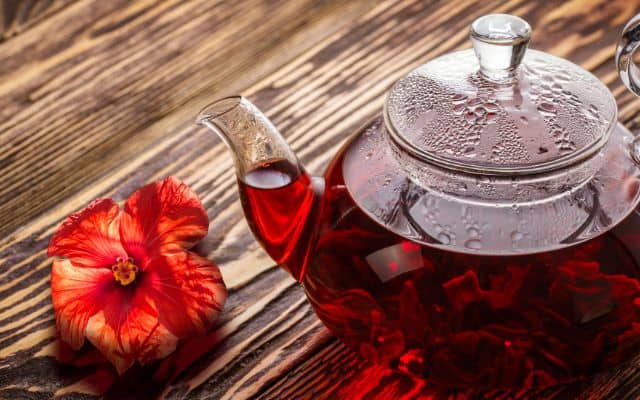
Hibiscus tea is known to aid in weight management by boosting metabolism and reducing the absorption of carbohydrates.
A 2023 Study published in Foods found that hibiscus tea, combined with other plant extracts, improved issues associated with metabolic syndrome, including weight, as well as cholesterol and blood pressure.
The researchers even recommended hibiscus tea as a great lifestyle addition, especially in consideration of better COVID outcomes.
The researchers state that obese and hypertensive individuals tend to fare worse with COVID, and hibiscus may ameliorate the situation.
And 2014 randomized controlled study found that hibiscus extract reduced obesity, abdominal fat, serum free fatty acids, and liver steatosis, and recommended using hibiscus as an adjuvant for reducing obesity and non alcoholic fatty liver.
Hibiscus tea may also help regulate appetite, making it easier to maintain a healthy weight.
6. Anti-inflammatory and Antibacterial Properties
The antioxidants and vitamin C in hibiscus tea have anti-inflammatory and antibacterial effects, which can help boost immunity and reduce inflammation in the body.
A 2022 study in Pharmaceuticals found that ethanol extract of hibiscus calyxes produces anti-inflammatory effects in animal studies.
This effect was attributed to the polyphenolic compounds in hibiscus extract.
7. Improves Digestion
Hibiscus tea has diuretic properties, which help flush out excess fluids and reduce bloating.
It can also promote healthy digestion by stimulating bowel movements, reducing constipation, and easing indigestion.
8. Helps Manage Blood Sugar Levels
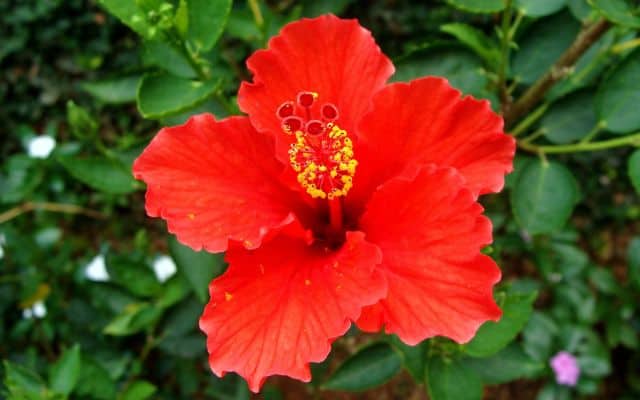
A 2024 study published in Endocrine Abstracts found that regularly drinking hibiscus tea changed several metabolic parameters in people with type 2 diabetes.
These included decreased blood sugar levels, including a drop in A1C, a reduction in cholesterol, and triglycerides after one month of tea consumption.
According to the study, hibiscus contains a high amount of polyphenols contributing to its positive health benefits.
Some studies suggest that hibiscus tea may help stabilize blood sugar levels, making it a beneficial drink for those with diabetes or insulin resistance.
9. Promotes Skin Health
Rich in vitamin C and antioxidants, hibiscus tea supports collagen production, reduces signs of aging, and helps maintain healthy, glowing skin.
10. Mood Enhancer
Hibiscus tea contains flavonoids that have antidepressant properties, helping to reduce anxiety and enhance mood by calming the nervous system.
How to Enjoy Hibiscus Tea
Hibiscus tea can be enjoyed hot or iced, and its naturally tart flavor pairs well with honey, cinnamon, or a splash of lemon juice.
You can also blend it with other herbal teas for a unique flavor profile.
Precautions
While hibiscus tea is generally safe for most people, it’s advisable to consume it in moderation.
Pregnant or breastfeeding women, women with low blood pressure, and those on specific medications (like antihypertensives or diuretics) should consult their healthcare provider before adding hibiscus tea to their routine.
Want to try hibiscus tea? See the recipe below;
Basic Hibiscus Tea Recipe
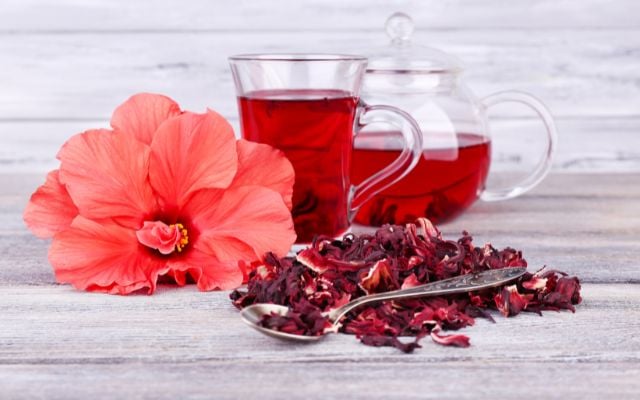
Ingredients:
- 2 tablespoons dried hibiscus flowers (or 2 hibiscus tea bags)
- 4 cups water
- Sweetener to taste (honey, agave, or stevia) – optional
- Ice cubes (if making iced tea)
Instructions:
- Boil the Water: Bring the water to a boil in a saucepan.
- Steep the Hibiscus: Remove from heat, add the dried hibiscus flowers (or tea bags), and let it steep for about 10-15 minutes. The longer it steeps, the stronger and more vibrant the flavor.
- Strain and Sweeten: Strain out the hibiscus flowers (or remove tea bags). Add sweetener to taste while the tea is still warm, then stir well.
- Serve: For hot tea, pour into cups and enjoy. For iced tea, let it cool to room temperature, then refrigerate or serve over ice.
Flavor Variations
- Citrus Twist: Add a splash of fresh lime, lemon, or orange juice for a refreshing citrusy zing.
- Spiced Hibiscus Tea: Add a cinnamon stick, a few cloves, or a slice of fresh ginger while steeping for a warming, spiced flavor.
- Minty Fresh: Add a few fresh mint leaves for a cooling, aromatic touch. Perfect for iced hibiscus tea.
- Fruity Blend: Combine with fruit juices like pineapple, pomegranate, or berry juice for a fruity, tropical twist.
- Floral Fusion: Blend with other herbal teas like rose petals or lavender for a soothing floral aroma.
- Hibiscus Lemonade: Mix with freshly squeezed lemonade for a vibrant and tangy hibiscus lemonade.
Serving Suggestions
- Serve hot with a slice of lemon and a drizzle of honey for a cozy, soothing drink.
- For a summer refresher, serve iced with fruit slices like lemon, lime, or berries for a beautiful, fruity twist.