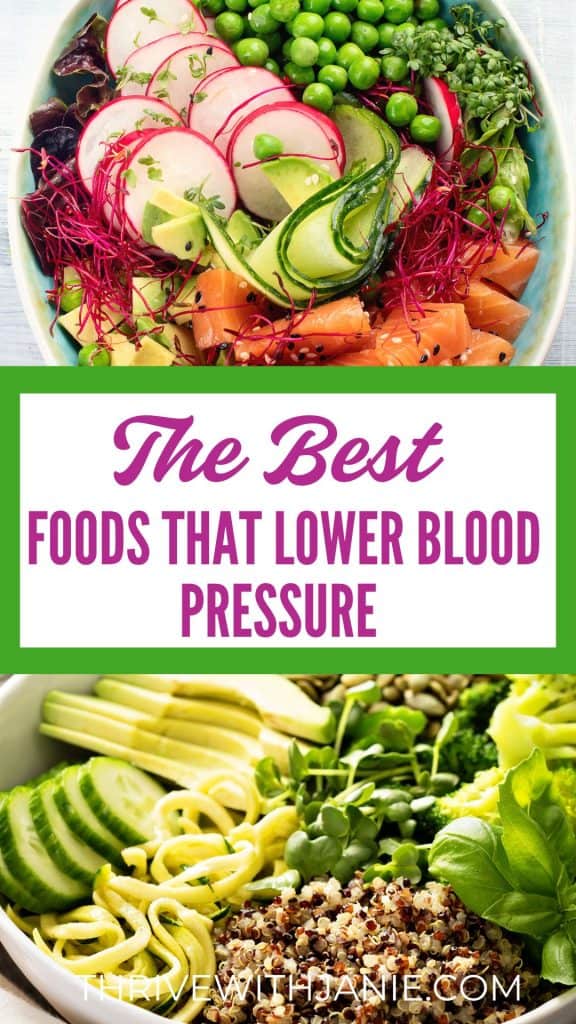
Best Foods That Lower Blood Pressure – Complete Guide
If you’re looking to lower your blood pressure and improve your heart health, the good news is that a healthy diet can help.
Thank you for reading this post, don't forget to subscribe!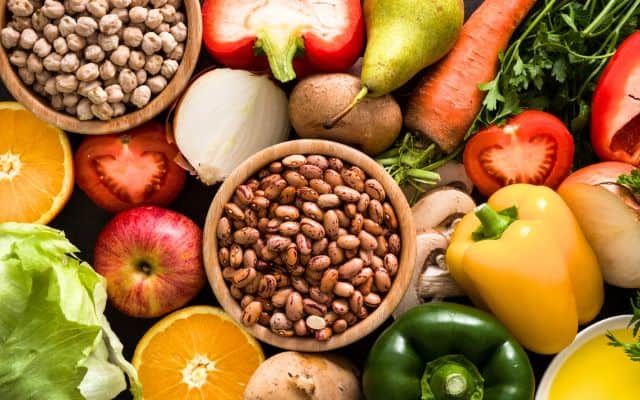
Making small, manageable changes like adding foods that lower blood pressure to your diet, can make a big difference
This guide will show you how certain foods can help lower blood pressure and greatly improve your health, reducing your risk of heart disease and stroke.
Introduction to the High Blood Pressure Diet
Managing high blood pressure can be challenging, but the right diet can make a significant difference.
A heart-healthy eating plan emphasizes nutrient-rich foods that support blood pressure control while also limiting sodium intake, which plays a key role in maintaining a healthy balance.
The American Heart Association suggests eating less than 2,300 milligrams of sodium per day. And limiting sodium to no more than 1500mg a day, especially for those with high blood pressure.
To help manage blood pressure, it’s also important to eat foods rich in nutrients like potassium, magnesium, various vitamins, and micronutrients.
Potassium is key to lowering blood pressure as it helps to balance sodium in your body.
Too much sodium causes the body to hold water, and this excess fluid strains the heart and blood vessels, leading to high blood pressure.
To cut down on sodium, choose low-salt foods and use spices instead of salt.
Foods that lower blood pressure
Include the foods below in your diet regularly to maintain a healthy heart and vascular system and lower blood pressure.
1. Apples
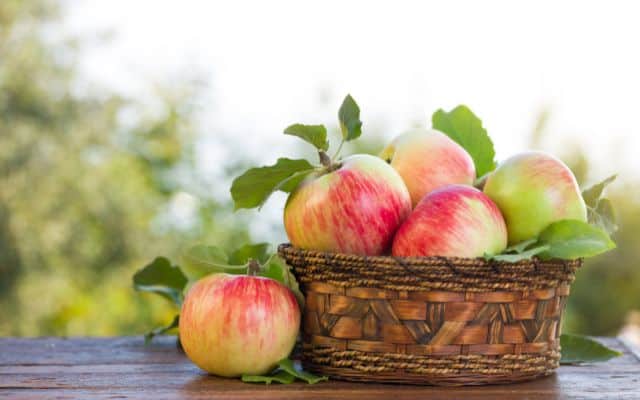
Apples are not only tasty but also full of anti-inflammatory properties.
Apples are a good source of vitamin C, a potent antioxidant.
Studies show that eating apples may help reduce type two diabetes, likely due to the presence of quercetin, a polyphenol that helps to fight inflammation.
Remember that diabetes is often associated with high blood pressure, kidney failure, and heart disease. All these conditions have a high association with inflammation.
Apples also contain a high amount of soluble and insoluble fiber, which helps flush out cholesterol and improve blood flow.
Additionally, fiber also helps lower inflammation, thus helping to keep blood vessels healthy.
Eating apples regularly can lower heart disease risk. They are a great snack for a healthy heart.
So yes, as they say, an apple a day keeps the doctor away.
2. Citrus Fruits
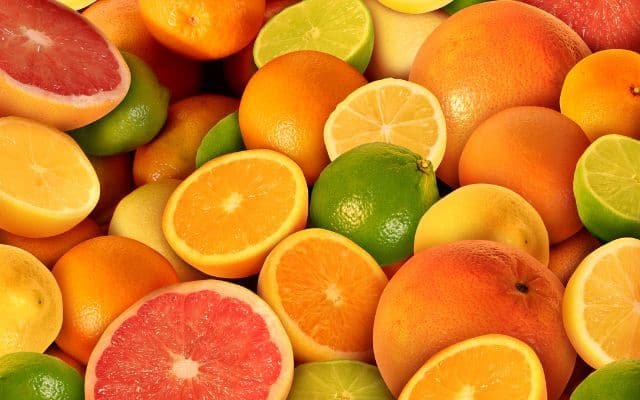
Citrus fruits like oranges, lemons, and grapefruits are good for your heart. They have a lot of hesperidin, a flavonoid antioxidant that helps fight inflammation, keeping the heart and blood vessels healthy.
Citrus fruit, especially oranges, also contain potassium, necessary for a healthy heart.
3. Bananas
Bananas are full of potassium, which helps your body get rid of sodium. This makes your blood vessels relax and lowers blood pressure.
They are a key part of a heart-healthy diet.
One medium banana contains about 422 mg of potassium and the RDA is 3400-2600 mg a day according to NIH.
According to AHA, potassium helps the kidneys flush out sodium, thus lowering blood pressure. too much sodium causes high blood pressure.
Also according to AHA, potassium reduces the tension in the blood vessels, thus lowering blood pressure.
Adding a banana to your breakfast or as a snack is a simple way to get these benefits.
However, if you have kidney disease, see your health provider to determine how much potassium you need as too much can be harmful.
4. Leafy Green Vegetables for Blood Pressure Control
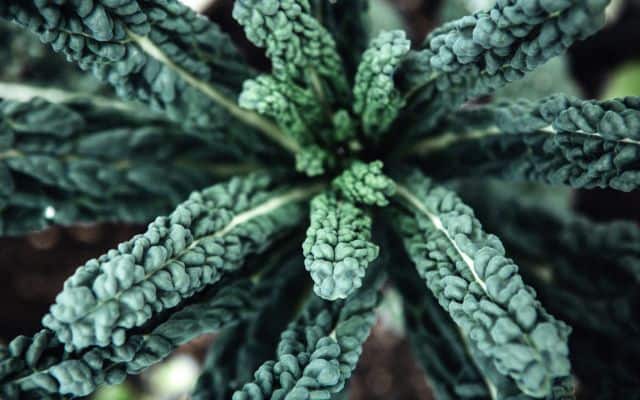
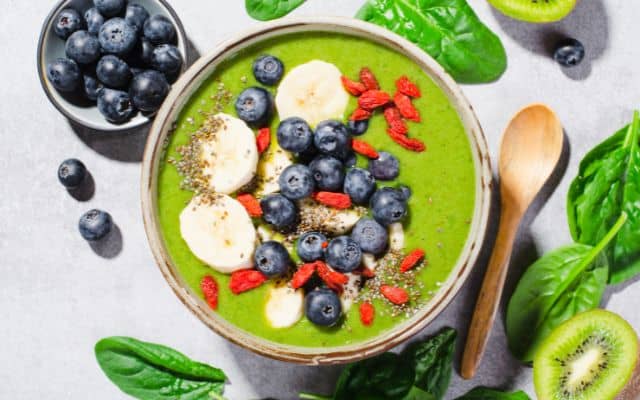
Eating leafy greens is a great way to lower blood pressure. These veggies are great sources of potassium and nitrates.
And both potassium and nitrates are good for your heart.
- Spinach is a top choice for potassium. One cup cooked gives you 839 mg of potassium, 158 mg, or 37% magnesium, and almost 10% calcium. These help control blood pressure.
- Kale-Kale is also great for your heart. Eating 1 cup a day can lower blood pressure. It contains potassium, calcium, and magnesium.1 cup of cooked and drained kale without salt contains 118mg of magnesium.
According to University hospitals, one cup cooked without salt and drained contains 296.4 mg. However, different sources seem to show different amounts.
- Swiss Chard
Swiss chard is a nutritional powerhouse. It contains potassium, magnesium, and nitrates, which help lower blood pressure and keep the heart healthy.
One cup of cooked Swiss chard provides 961 mg of potassium, which boosts potassium intake and supports heart health.
But there are so many other green leafy veggies to choose from including:
- Beetroot greens
- Colard greens
- Mustard greens
- Dandelion greens
- Bok choy, and many more.
- Kale
5. Fatty Fish and Omega-3 Fatty Acids
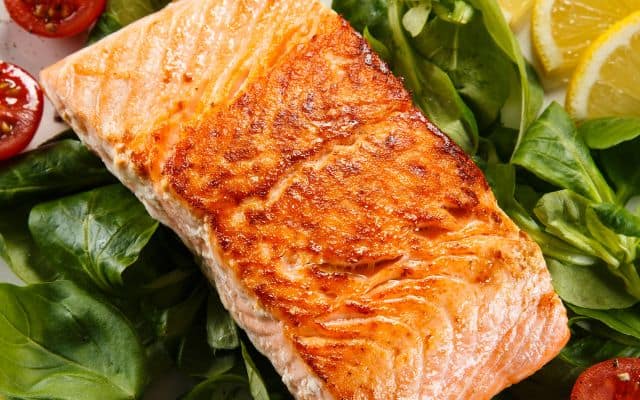
Eating fatty fish is good for your heart. Fish like salmon, mackerel, and sardines are full of omega-3 fatty acids.
These fatty acids help lower inflammation and blood pressure.
Studies show that fish oil benefits are real. Eating 2-3 grams of DHA and EPA omega-3s daily can lower blood pressure.
For people with high blood pressure, 3 grams a day can help even more.
The American Heart Association says to eat two servings of omega-3 fish a week. That’s about 4-5 ounces of Atlantic salmon.
You can also take fish oil supplements, which have about 300 mg of omega-3s per pill.
A meta-analysis of 31 placebo-controlled studies found that fish oil lowered blood pressure and that the effect was dose-dependent.
The study also found that the effect of fish oil on blood pressure3 was greatest for hypertensive individuals.
Omega-3s do more than just lower blood pressure.
Omega 3 fatty acids also help prevent heart disease. They make arteries relax and reduce heart rhythm problems.
Omega-3s support the immune, nervous, and heart systems too.
Adding fatty fish to your diet can be a tasty way to a healthier heart and lower blood pressure.
6. Beetroot
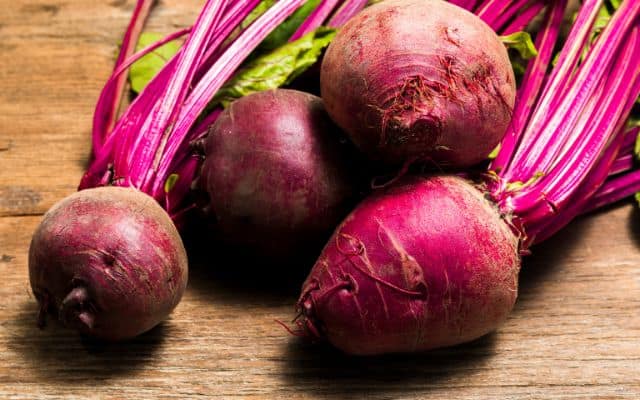
Beetroot is great for lowering blood pressure because of its nitrate content.
Nitrates turn into nitric oxide in your body, and nitric oxide is shown to relax and widen the blood vessels, thus improving blood flow.
This widening reduces the pressure on vessel walls, which lowers blood pressure.
A 2017 systemic review and meta-analysis study found that regularly drinking beet juice lowered blood pressure in hypertensive subjects.
This effect was attributed to the high amount of nitric oxide in beet juice.
Garlic
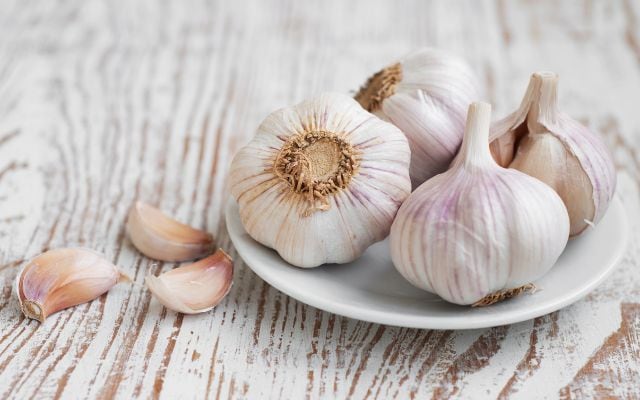
Do you love garlic in your food? If yes, then you are in luck because garlic can also help lower blood pressure.
A 2019 Systemic clinical study of 12 clinical trials involving 553 adults with uncontrolled hypertension found that garlic was effective in lowering blood pressure by 8-10 mmHg systolic and 5-6 mmHg diastolic.
Garlic boosts nitric oxide production, which, as discussed, relaxes and widens blood vessels thus lowering blood pressure.
And according to that study, that was equal to a 16-40 percent reduction in risk reduction in cardiovascular events such as stroke and heart attack.
However, the study notes that for garlic to work in lowering blood pressure, the B vitamin status was important in order for garlic to work.
Garlic also lowers cholesterol, thus keeping the blood vessels clean and improving blood flow.
As such, garlic offers two benefits against high blood pressure.
And this makes garlic a key part of heart-healthy diets.
7. Nuts
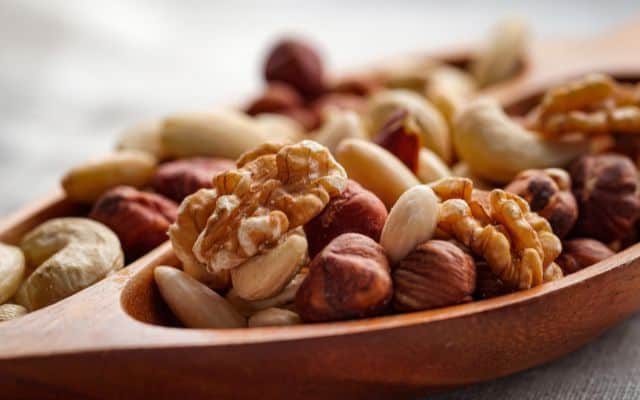
Many nuts are packed with nutrients that support heart health, including magnesium, potassium, healthy fats, and antioxidants.
Here’s how they help and which ones are particularly beneficial:
Magnesium: Nuts are an excellent source of magnesium, which helps relax blood vessels and regulate blood pressure.
Potassium: Some nuts, like pistachios, contain potassium, which balances sodium levels in the body, a critical factor for blood pressure control.
Healthy Fats: Nuts are rich in monounsaturated and polyunsaturated fats, which improve cholesterol levels and support overall cardiovascular health.
Walnuts are especially rich in omega-3 fatty acids, which lower blood pressure and fight inflammation. Studies show they reduce heart disease and diabetes inflammation.
Anti-inflammatory Properties: Nuts contain compounds like alpha-linolenic acid (ALA), vitamin E, and flavonoids that reduce inflammation, which is linked to hypertension.
According to Mayo Clinic, eating nuts may help improve heart health, lower inflammation and reduce risk of clots, and lower cholesterol and blood pressure.
Adults should eat 4 to 6 servings of unsalted nuts, like walnuts, each week.
Pistachios are great for managing blood pressure because they’re low in sodium and have a high amount of potassium, which helps balance sodium levels.
Eating pistachios can improve artery health and reduce inflammation, protecting against heart disease.
Almonds are good for your heart because of their unsaturated fats, fiber, and plant sterols.
These nutrients lower cholesterol and improve blood vessel function. Eating almonds as snacks can lower blood pressure and improve heart health.
If you have high blood pressure, be sure to avoid the salted nut as that can raise your blood pressure.
8. Seeds such as chia seeds and flax seeds
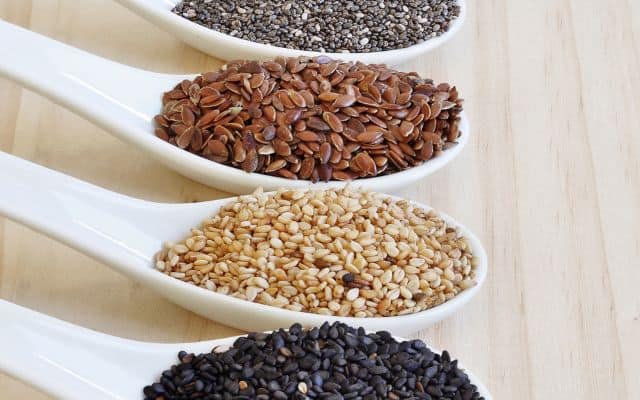
Chia, flax, sunflower seeds, and pumpkin seeds are good sources of magnesium, fiber, and potassium, which help to lower blood pressure.
9. Whole Grains
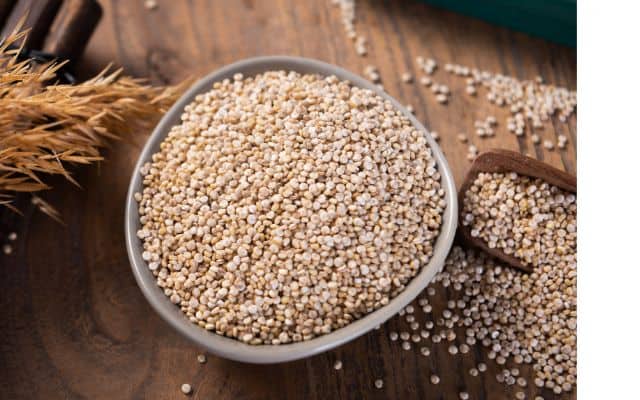
Adding whole grains to your meals can greatly improve your heart health and overall well-being.
A 2023 study in the European Journal of Nutrition showed whole grains’ effectiveness in lowering blood pressure.
Whole grains are full of dietary fiber, which helps with weight management and lowers blood pressure risk.
They also contain important minerals like magnesium, calcium, and potassium, which are key for keeping blood pressure healthy.
Grains to consider:
- Quinoa: Offers 8 grams of protein per cup, more than brown rice’s 5 grams, making it great for blood pressure.
- Oatmeal: Has oat beta-glucan fiber, which is effective in lowering high blood pressure.
- Brown Rice: Is full of dietary fiber and essential minerals, making it a key part of the DASH diet for healthy blood pressure.
- Whole-wheat bread: A good source of magnesium, calcium, and potassium for blood pressure control.
- Buckwheat: Contains quercetin, an antioxidant that may help lower blood pressure in hypertensive individuals.
Whole grains also have antioxidants that fight oxidative stress, which is linked to elevated blood pressure.
When the lining of blood vessels gets exposed to oxidative stress, inflammation starts, leading to plaques, stiffness, and narrow vessels.
This makes it hard for the heart and blood vessels to work, and the result is high blood pressure.
It’s recommended to eat at least 3 ounces (85 grams) of whole grains daily, which is about half of your daily grain intake.
Making this simple change in your diet can greatly benefit your heart health. It might even help reduce healthcare costs over time.
10. Yogurt
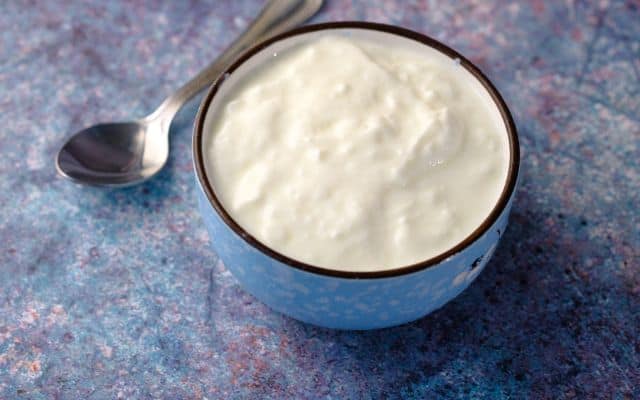
Yogurt is a big part of a heart-healthy diet. But it’s only the yogurt that is sugar-free or has no added sugar.
Yogurt is packed with probiotics. which improves gut health. This can help control blood sugar, blood pressure, and cholesterol.
Eating low-fat fermented dairy can lower heart disease risk.
11. Fermented Soy
Fermented soy, like tempeh and miso, is also full of probiotics. These foods are also high in protein and good for your gut.
They help reduce inflammation and improve your immune system.
They can even help with serotonin production and improve mental health, which is also good for your blood pressure.
12. Dark Chocolate
Dark chocolate, eaten daily in small amounts, boosts nitric oxide levels. Citrus fruits, rich in vitamin C, also help by making nitric oxide more available.
Even pomegranate juice protects nitric oxide from damage and boosts its activity. So, choosing these foods supports your heart health journey!
13. Legumes
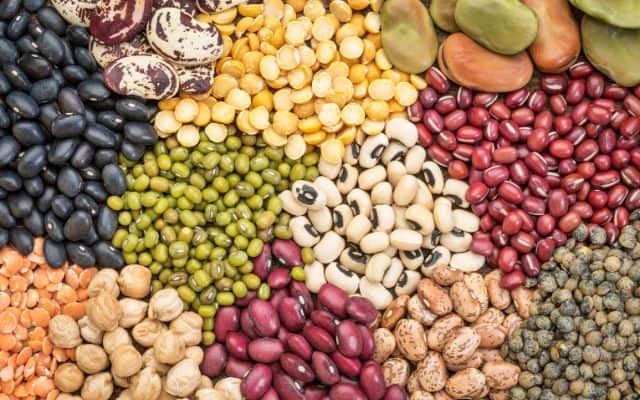
Legumes are loaded with many healthy nutrients including magnesium and potassium which help lower blood pressure.
The great thing is that there are so many legumes to enjoy and so many ways to cook them.
Legumes include;
- Beans
- Lentils
- Peas
- Chickpeas
- Mung beans
Legumes are also a great source of fiber, which helps to remove cholesterol and provide you with protein as well.
Foods to avoid
If you have high blood pressure, certain foods can make it worse by increasing sodium levels, causing inflammation, or leading to weight gain.
High sodium makes you retain fluid, which puts pressure on the cardiovascular system.
And when you eat inflammation-causing foods, they inflame the lining of the blood vessels, causing plaques, narrowing the vessels, leading to increased blood pressure.
Weight gain also adds more load to the heart and blood vessels.
Here are the main foods to avoid or limit:
1. Salty Foods (High-Sodium Foods)
Excess sodium causes the body to retain water, increasing blood pressure. The worst offenders include:
- Processed meats (bacon, ham, deli meats, sausage)
- Canned soups and broths
- Fast food and restaurant meals
- Packaged snacks (chips, pretzels, crackers)
- Pickles and olives
- Soy sauce, teriyaki sauce, and other high-sodium condiments
2. Sugary Foods & Beverages
Too much sugar can lead to weight gain and insulin resistance, both of which contribute to high blood pressure. Avoid:
- Sodas and sweetened drinks
- Candy and desserts
- Sweetened breakfast cereals
- Processed baked goods (cookies, cakes, pastries)
3. Fried and Processed Foods
These foods contain unhealthy trans fats and excessive salt, which can raise blood pressure and increase cholesterol levels. Avoid:
- Fried chicken, French fries, and onion rings
- Packaged frozen meals and processed snacks
- Margarine and vegetable shortening
4. Red Meat & Processed Meats
Red meat can be high in saturated fat, which may contribute to hypertension. Processed meats like hot dogs, bacon, and sausage are even worse due to their high sodium and preservative content.
5. Alcohol
Drinking too much alcohol can increase blood pressure and interfere with blood pressure medications.
If consumed, it should be in moderation (one drink per day for women, two for men).
6. Caffeine (For Some People)
Caffeine can cause a temporary spike in blood pressure. While some people tolerate it well, others are sensitive, so it’s best to monitor how your body reacts to coffee, energy drinks, and caffeinated teas.
7. High-Fat Dairy
Full-fat cheese, whole milk, and heavy cream contain saturated fats that may contribute to high blood pressure and heart disease. Opt for low-fat or plant-based alternatives.
8. Canned & Prepackaged Foods
Canned vegetables, soups, and processed foods often contain high amounts of hidden sodium.
If you must buy canned foods, choose low-sodium or rinse them thoroughly before eating.
Conclusion about the best foods that lower blood pressure
Maintaining healthy blood pressure starts with what’s on your plate.
By focusing on whole, nutrient-rich foods like leafy greens, berries, oats, and fatty fish while avoiding processed, salty, and sugary foods, you can naturally support heart health and keep your blood pressure in check.
Small, consistent changes—such as choosing fresh over packaged foods, drinking more water, and incorporating potassium-rich ingredients—can make a big difference over time.
Paired with a healthy lifestyle, including regular exercise and stress management, a heart-friendly diet can help you feel your best and reduce the risk of hypertension-related complications.
Your heart will thank you for every nourishing choice you make!