The Best Foods For Menopause Symptoms(for Hormone Balance, And Energy)
Menopause is a natural stage of life, but that doesn’t mean you have to simply accept feeling exhausted, uncomfortable, or unlike yourself.
Thank you for reading this post, don't forget to subscribe!And the easiest thing you can change is your diet, and focusing on the best foods for menopause symptoms.
Research shows that a healthy diet can help many menopausal symptoms, including improved lipid profile, prevention of many metabolic diseases common in menopause, weight gain, and more.
The hormonal changes that occur during menopause can affect everything from sleep and mood to body composition, bone health, heart health, and energy levels.
And that can leave you feeling fatigued, having brain fog, sleepless, wracked by hot flashes, and, not to mention, weak bones, thinning hair, low sex drive, and more.
One of the most powerful ways to support your body during this transition is through your diet and the best foods for menopause symptoms.
The foods you eat can provide essential nutrients for your bones, heart, brain, muscles, and hormones while also helping you maintain steady blood sugar and a healthy weight.
While no single food can “balance” menopause hormones or eliminate symptoms, a nutrient-dense diet can help your body adapt to changing estrogen levels and may improve some of the symptoms associated with menopause.
If you’re wondering what the best foods for menopause symptoms are, these are some of the best foods to add to your plate regularly.
What Is Menopause?

Menopause is the point in time when a woman has gone 12 consecutive months without a menstrual period and is no longer having periods because of the natural decline in ovarian function.
Menopause most commonly occurs between ages 45 and 55, with the average age in the United States being around 51.
The years leading up to menopause are called perimenopause. During this time, estrogen and progesterone levels can fluctuate considerably, which may lead to symptoms such as:
- Hot flashes and night sweats
- Sleep problems
- Fatigue and low energy
- Mood changes and irritability
- Brain fog and difficulty concentrating
- Changes in body composition and increased abdominal fat
- Weight gain or difficulty losing weight
- Increased hunger or cravings
- Vaginal dryness
- Joint aches
- Changes in cholesterol levels
- Loss of bone density
After menopause, estrogen levels remain lower. This makes nutrition particularly important for protecting long-term health, especially bone, cardiovascular, and metabolic health. And that’s why it’s important to know what the best foods for menopause symptoms are.
Why Is Diet So Important During Menopause?
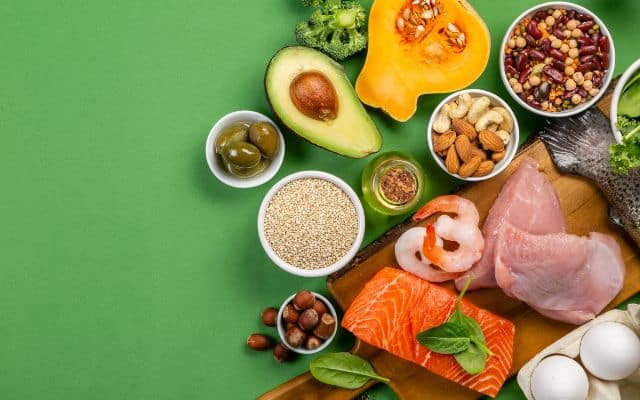
Hormonal changes can change the way your body responds to food and uses energy.
As estrogen declines, women may experience changes in muscle mass, fat distribution, insulin sensitivity, cholesterol, and appetite.
This is one reason the same eating habits that worked in your 30s may not feel as effective in your 40s and 50s.
A healthy menopause diet can help you:
- Support healthy blood sugar levels
- Maintain muscle mass
- Protect bone health
- Support cardiovascular health
- Provide sustained energy
- Manage hunger and cravings
- Support a healthy weight
- Increase fiber intake
- Provide antioxidants and anti-inflammatory nutrients
- Support overall well-being
Rather than focusing on restrictive diets, I recommend building meals around protein, fiber-rich carbohydrates, healthy fats, fruits and vegetables, and minimally processed foods.
The Best Foods for Menopause Symptoms
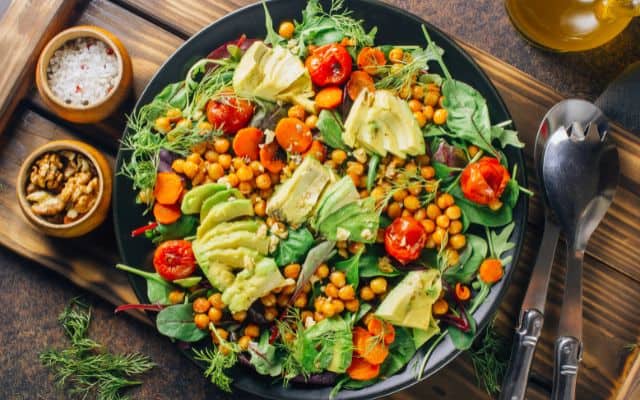
1. Fatty Fish
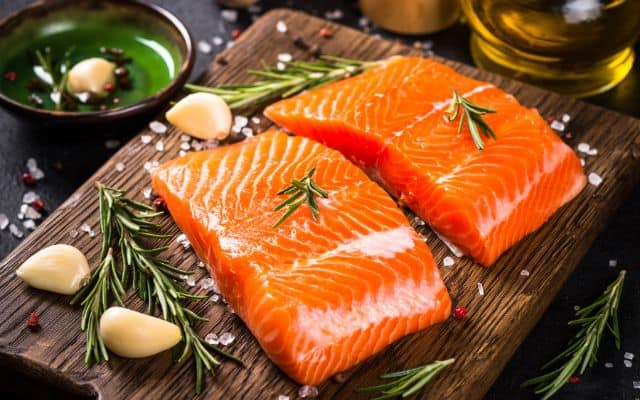
Salmon, sardines, mackerel, trout, and tuna are excellent sources of omega-3 fatty acids and high-quality protein.
Omega-3 fats support heart and brain health and have anti-inflammatory properties. Fatty fish also provides vitamin D, which is important for bone health and calcium absorption.
Why it’s helpful during menopause: Protein helps preserve muscle as we age, while omega-3 fats support cardiovascular and brain health.
Try adding salmon to a grain bowl, making sardines part of a Mediterranean-style lunch, or enjoying grilled trout with vegetables.
2. Soy Foods
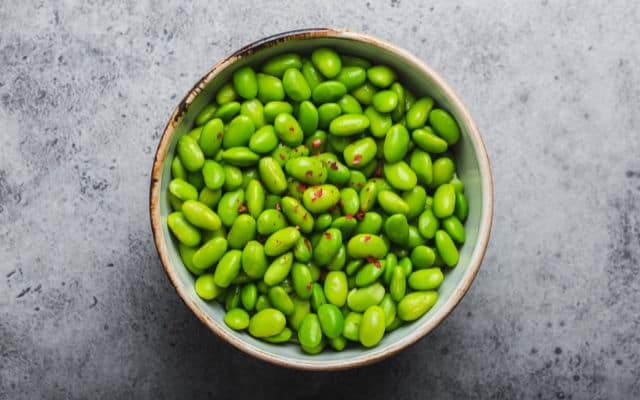
Soy foods such as tofu, tempeh, edamame, and unsweetened soy milk contain isoflavones, a type of plant compound called a phytoestrogen.
Phytoestrogens are not the same as human estrogen, but they can interact with estrogen receptors in the body.
Research suggests that soy foods may provide modest benefits for some menopausal symptoms, particularly hot flashes, although responses vary from person to person.
Why it’s helpful during menopause: Soy provides plant-based protein and isoflavones while also fitting easily into a heart-healthy diet.
Choose minimally processed soy foods such as edamame, tofu, tempeh, and calcium-fortified soy milk.
3. Greek Yogurt
Greek yogurt is an excellent source of protein and calcium, two nutrients that become especially important during and after menopause.
Adequate protein helps support muscle mass, while calcium contributes to maintaining strong bones.
Why it’s helpful during menopause: It provides protein for muscle maintenance and calcium for bone health.
Choose plain Greek yogurt and add berries, chia seeds, walnuts, or cinnamon for flavor and extra nutrients.
4. Leafy Green Vegetables
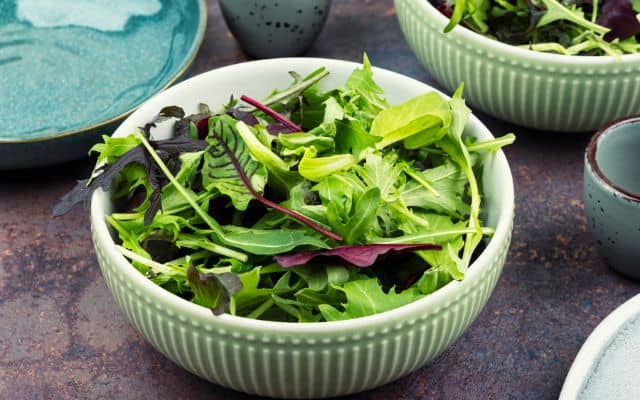
Spinach, kale, collard greens, Swiss chard, and other leafy greens are packed with nutrients while being naturally low in calories.
Many leafy greens provide calcium, magnesium, vitamin K, folate, fiber, and antioxidants.
Why they’re helpful during menopause: Their combination of fiber and micronutrients supports digestive, bone, cardiovascular, and overall health.
Add greens to smoothies, omelets, soups, salads, or grain bowls.
5. Berries
Strawberries, blueberries, raspberries, and blackberries are rich in fiber and antioxidants.
Their vibrant colors come from plant compounds such as anthocyanins, which help protect cells from oxidative stress.
Why they’re helpful during menopause: Berries are a naturally sweet way to increase fiber and antioxidants without relying on highly processed sweets.
Add them to Greek yogurt, oatmeal, chia pudding, or a smoothie.
6. Flaxseeds
Flaxseeds are a nutritional powerhouse for women in midlife. They provide fiber, healthy fats, and lignans, plant compounds with weak estrogen-like activity.
Ground flaxseed is easier to digest than whole flaxseed and can be added to smoothies, yogurt, oatmeal, or baked goods.
Why they’re helpful during menopause: Their fiber supports digestive health and satiety, while their plant compounds and healthy fats can be part of an overall heart-healthy eating pattern.
Aim for ground flaxseed rather than relying on flaxseed oil alone, since the whole ground seed also provides fiber and lignans.
7. Chia Seeds
These tiny seeds provide an impressive combination of fiber, plant-based omega-3 fats, protein, calcium, and magnesium.
Why they’re helpful during menopause: Their high fiber content can help you feel satisfied after meals and support healthy digestion and blood sugar management.
Try making chia pudding or sprinkling chia seeds over yogurt, oatmeal, or a smoothie.
8. Avocados
Avocados provide heart-healthy monounsaturated fats along with fiber, potassium, and folate.
Why they’re helpful during menopause: Healthy fats and fiber can help create satisfying meals and support cardiovascular health.
Add avocado to salads, sandwiches, eggs, grain bowls, or whole-grain toast.
9. Nuts and Seeds
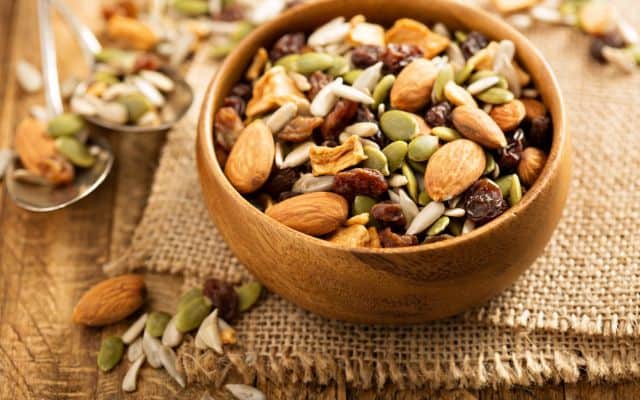
Almonds, walnuts, pistachios, pumpkin seeds, sunflower seeds, and other nuts and seeds provide healthy fats, protein, fiber, magnesium, and other micronutrients.
Walnuts are particularly rich in plant-based omega-3 fats.
Why they’re helpful during menopause: They make an easy, nutrient-dense snack while providing nutrients that support heart and metabolic health.
Because nuts and seeds are calorie-dense, a small handful is usually plenty.
10. Beans and Lentils
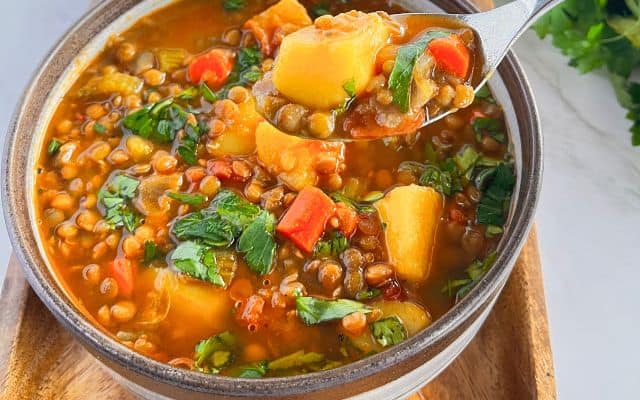
Black beans, chickpeas, kidney beans, navy beans, and lentils are excellent sources of plant-based protein and fiber.
They also provide important minerals such as magnesium, iron, and potassium.
Why they’re helpful during menopause: The combination of protein and fiber helps make meals more filling and can support steadier blood sugar levels.
Add beans to salads, soups, chili, grain bowls, or tacos.
11. Cruciferous Vegetables
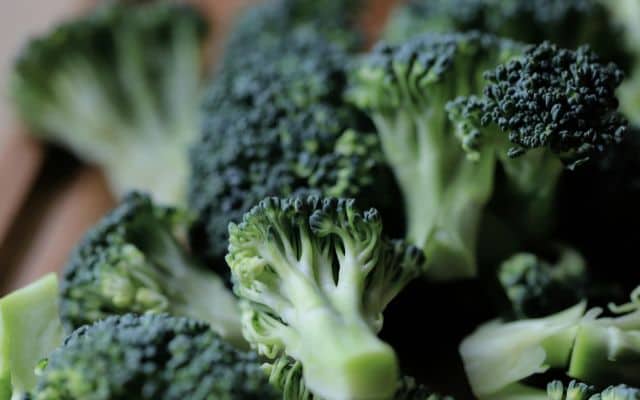
Broccoli, cauliflower, Brussels sprouts, cabbage, bok choy, and kale belong to the cruciferous vegetable family.
These vegetables contain fiber and a variety of beneficial plant compounds, including glucosinolates.
Why they’re helpful during menopause: They provide nutrients and antioxidants while helping you increase your overall vegetable and fiber intake.
Try roasting Brussels sprouts, sautéing broccoli, or adding shredded cabbage to tacos and salads.
12. Whole Grains
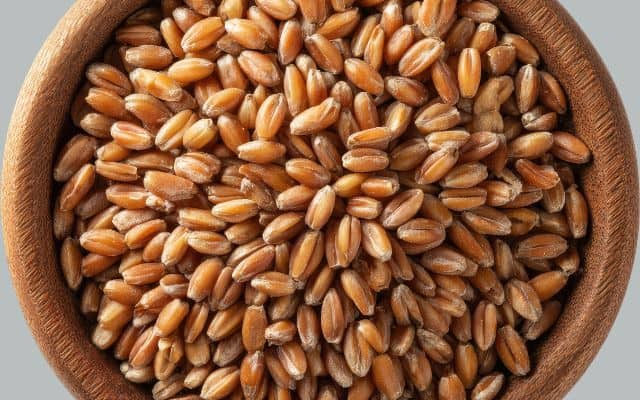
Oats, quinoa, barley, brown rice, farro, and other minimally processed whole grains provide fiber, vitamins, minerals, and complex carbohydrates.
Why they’re helpful during menopause: Fiber can support digestive health, fullness, cholesterol management, and healthy blood sugar levels.
If you’re watching your carbohydrate intake, focus on reasonable portions and pair whole grains with protein, vegetables, and healthy fats.
13. Eggs
Eggs are an affordable source of high-quality protein and provide nutrients including choline, vitamin B12, selenium, and vitamin D.
Why they’re helpful during menopause: Protein becomes increasingly important for preserving muscle mass as we age.
Enjoy eggs for breakfast, add hard-boiled eggs to salads, or make a vegetable-packed omelet.
14. Lean Poultry
Chicken and turkey are convenient sources of protein and can be used in everything from salads to soups and wraps.
Why they’re helpful during menopause: Adequate protein helps support muscle maintenance, which is particularly important as muscle mass naturally declines with age.
Pair lean poultry with plenty of vegetables and a fiber-rich carbohydrate for a balanced meal.
15. Extra-Virgin Olive Oil
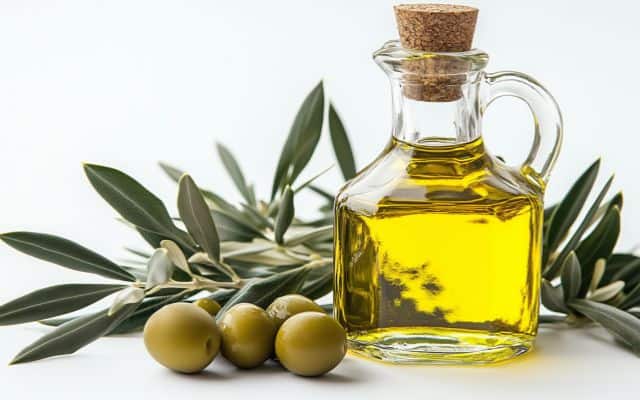
Extra-virgin olive oil is a cornerstone of the Mediterranean diet and provides monounsaturated fat and antioxidant compounds.
Why it’s helpful during menopause: It can be part of a heart-healthy eating pattern and is an easy way to replace less healthy saturated fats.
Use it for salad dressings, roasted vegetables, or cooking.
16. Dark Chocolate
Yes, you can still enjoy chocolate during menopause!
Dark chocolate with a high cocoa percentage contains flavonoids and minerals such as magnesium. Choose varieties with less added sugar and enjoy it in moderation.
Why it’s helpful during menopause: It can satisfy a sweet craving while providing beneficial plant compounds.
A small square or two can be a satisfying after-dinner treat.
17. Foods Rich in Calcium
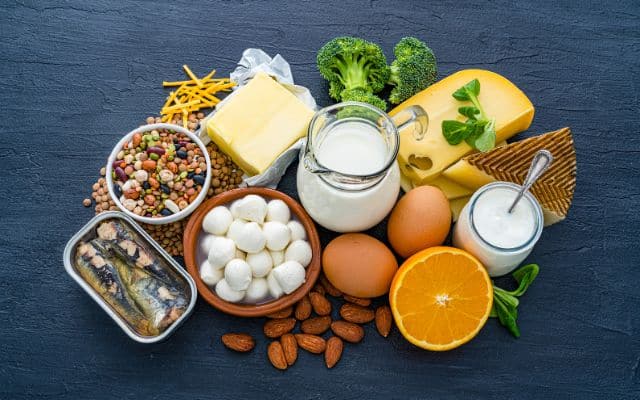
Bone loss can accelerate after menopause because lower estrogen levels affect bone remodeling.
In addition to Greek yogurt, excellent calcium sources include:
- Milk
- Calcium-fortified plant milk
- Cottage cheese
- Cheese
- Calcium-set tofu
- Canned salmon with bones
- Sardines
- Kale
- Collard greens
Why they’re helpful during menopause: Calcium works with vitamin D, protein, and physical activity to help maintain strong bones.
18. Foods Rich in Magnesium
Magnesium is involved in hundreds of processes in the body. Foods such as pumpkin seeds, almonds, spinach, black beans, avocado, and dark chocolate can help increase magnesium intake.
Why they’re helpful during menopause: Magnesium supports normal muscle and nerve function, energy metabolism, and bone health.
19. Colorful Fruits and Vegetables
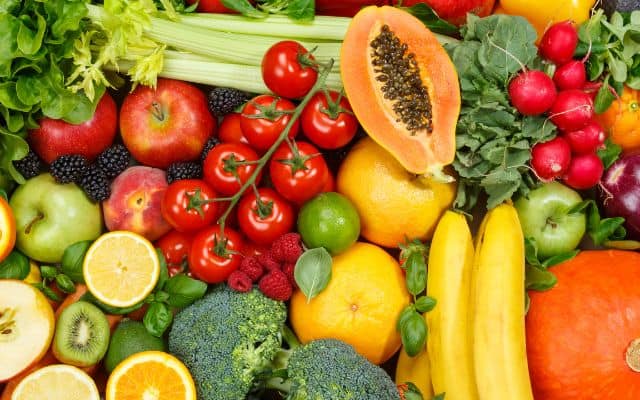
One of the simplest menopause nutrition strategies is to eat a wide variety of colorful produce.
Think berries, oranges, peppers, tomatoes, carrots, sweet potatoes, leafy greens, and purple cabbage.
Different colors provide different plant compounds and antioxidants.
Why they’re helpful during menopause: A diverse intake of fruits and vegetables provides fiber, vitamins, minerals, and antioxidants that support overall health.
Foods That May Help With Menopause Symptoms
Different foods may support different aspects of menopause. Here’s an easy way to think about it:
| Menopause concern | Foods to emphasize |
|---|---|
| Hot flashes | Soy foods, fruits, vegetables, whole grains |
| Low energy | Eggs, fish, lean poultry, beans, leafy greens |
| Bone health | Yogurt, calcium-fortified milk, sardines, leafy greens |
| Muscle loss | Fish, eggs, Greek yogurt, tofu, beans, poultry |
| Heart health | Fatty fish, nuts, seeds, avocado, olive oil |
| Blood sugar | Beans, lentils, vegetables, berries, whole grains |
| Constipation | Chia seeds, flaxseeds, berries, vegetables, beans |
| Brain health | Fatty fish, berries, walnuts, leafy greens |
| Weight management | Protein-rich foods, vegetables, berries, beans, whole grains |
What About Foods That Cause Hot Flashes?
Some women notice that certain foods or drinks trigger their hot flashes. Common triggers include alcohol, spicy foods, and very hot beverages.
Caffeine may also trigger symptoms for some women, although others tolerate it without a problem.
You don’t necessarily need to eliminate these foods. Instead, pay attention to your individual symptoms. Keeping a simple food and symptom journal for a few weeks can help you identify patterns.
A Simple Menopause-Friendly Plate
You don’t need a complicated diet to eat well during menopause.
A simple formula is to fill your plate with:
½ vegetables + ¼ protein + ¼ high-fiber carbohydrate + healthy fat
For example, you might have:
- Grilled salmon
- Roasted broccoli and Brussels sprouts
- A small serving of quinoa
- Avocado or an olive-oil-based dressing
Another easy option is a Greek yogurt bowl with berries, chia seeds, walnuts, and cinnamon.
The goal isn’t perfection. It’s creating meals that provide the nutrients your body needs consistently.
Foods to Limit During Menopause
There is no universal list of foods that women must completely avoid during menopause. However, it can be helpful to limit foods that provide lots of calories but few nutrients.
Try to minimize:
- Highly processed foods
- Sugary drinks
- Excess added sugar
- Refined carbohydrates
- Highly processed meats
- Excessive alcohol
- Foods high in saturated and trans fats
This doesn’t mean you can never enjoy dessert, pizza, or your favorite comfort foods. An overall healthy eating pattern matters much more than any single meal.
Don’t Forget Protein During Menopause
If I could emphasize one nutrition habit for women entering midlife, it would be to prioritize protein at meals.
Declining estrogen, aging, and reduced activity can all contribute to loss of muscle mass. Protein, combined with resistance training, can help support muscle maintenance.
Good options include fish, eggs, Greek yogurt, cottage cheese, chicken, turkey, tofu, tempeh, beans, and lentils.
Rather than eating most of your protein at dinner, try distributing it throughout the day.
The Bottom Line
Menopause is a natural transition, but the changes that come with it make nutrition more important than ever.
A diet rich in protein, fiber, healthy fats, calcium, vitamin D, magnesium, antioxidants, and minimally processed foods can help support your body through this stage of life.
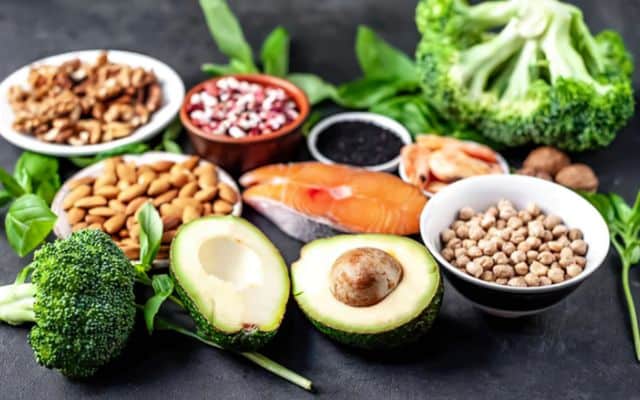
The best foods to eat during menopause include fatty fish, soy foods, Greek yogurt, leafy greens, berries, flaxseeds, chia seeds, nuts, beans, cruciferous vegetables, whole grains, eggs, avocado, olive oil, and other nutrient-dense fruits and vegetables.
These foods won’t magically “balance your hormones,” but they can provide the nutrients your body needs to support healthy aging, maintain muscle and bone, protect your heart, promote steady energy, and manage some of the metabolic changes that occur during menopause.
And remember: you don’t have to overhaul your entire diet overnight.
Start by adding one more serving of vegetables, including protein at breakfast, swapping refined grains for whole grains, or adding berries and nuts to your afternoon snack.
Small, consistent changes can make a meaningful difference.
If menopause symptoms are significantly affecting your quality of life, talk with your healthcare provider.
Nutrition is an important piece of the puzzle, but it is only one part of a comprehensive.
Menopause symptoms can be managed. Through diet and a healthy overall lifestyle, you can achieve balance.
Ensure a healthy diet, supplement where you think you are falling short, and keep up with your health care provider.