Best Herbs for Liver Cleanse: A Natural Way to Detox
The best herbs for liver cleanse, also known as herbs for liver detox are gaining more attention due to the ever-growing concerns about environmental toxins, and unhealthy lifestyle choices and their effect on the liver.
Thank you for reading this post, don't forget to subscribe!Throughout history, various cultures have recognized the liver’s importance and sought ways to support its health through herbal remedies.
From ancient Ayurvedic practices to traditional Chinese medicine, herbs have been utilized for liver detoxification and support for hundreds of years.
The liver is an essential organ located in the upper right part of your belly.
And that’s why when the liver is unhealthy, you may have a bigger belly.
The liver plays a crucial role in maintaining our overall health, performing over 500 jobs to keep us well.
As the body’s primary detoxifier, the liver filters toxins from the blood, aids in digestion through bile production, stores essential vitamins and minerals, regulates metabolism, manages cholesterol, and plays a significant role in hormone balance.
Given its vital functions, taking care of our liver is paramount to ensure it continues to perform optimally.
In today’s world, our livers are often burdened with the task of processing not just natural bodily byproducts but also environmental toxins, unhealthy dietary choices, and various medications.
This can lead to liver stress and potentially compromise its efficiency, affecting everything from detoxification processes to hormonal regulation.
The American Liver Foundation warns that almost 100 million people in the U.S. have liver issues like fatty liver or hepatitis.
And a 2023 update on the global burden of liver disease found that Over 2 million people worldwide die of liver diseases every year.
Fortunately, nature offers a variety of herbs that can support and enhance liver health and detoxification.
Many herbs for liver detox contain certain ingredients known for fighting cell damage, lowering inflammation, and protecting your liver.
Using these herbs in your life, along with healthy eating and staying active, helps take care of your liver thus keeping you healthy

In the U.S. and Europe, about 65% of those with liver issues use herbs to improve.
It’s important to act early to keep your liver in good shape. Using strong herbs for liver cleanse helps a lot.
Along with these, choosing a natural lifestyle matters. It’s about using plant power and good habits to aid your liver. Doing so boosts your health all around.
Signs You Need to Detox Your Liver

When your liver is overburdened or unhealthy there are key signs and symptoms you should know.
Signs you may need a liver detox include:
- Irregular bowel movements and constipation
- Skin issues
- Fatigue
- Trouble sleeping
- Stress
- Anxiety
- Gas
- Bloating
- Constipation
Please note some of these problems can be associated with serious health issues and it’s always imperative to see your health care provider.
Apart from these signs that one may need a liver detox, there are other quite serious signs of liver disease you should know and should never ignore.
Signs of liver disease

According to Mayo Clinic, signs and symptoms may include:
- Jaundice- yellowing of the skin and whites of the eyes
- Belly pain and swelling
- Itchy skin
- Dark urine
- Pale stools
- Chronic exhaustion
- Nausea and vomiting
- Easy bruising
- Loss of appetite
These signs and symptoms of liver disease require medical attention. Please note that for any signs of liver issues, you always should seek medical advice whether you think it’s serious or not.
A struggling liver might show through bloating, sweating a lot, skin problems, mood swings, and being sensitive to chemicals.
These include cutting back on alcohol, eating a balanced diet, and maintaining a healthy weight. Some research suggests liver cleanses can aid in losing weight.
A natural approach to liver cleansing involves herbs and holistic practices. These methods can be effective in improving liver health.
Since your liver crucially helps with detoxing, metabolism, and storing vitamins, keeping it in top shape is vital.
This can help not just with liver detox but with your overall well-being.
Best herbs for liver detox
Herbal medicine is key for keeping our livers healthy.
1. Milk thistle
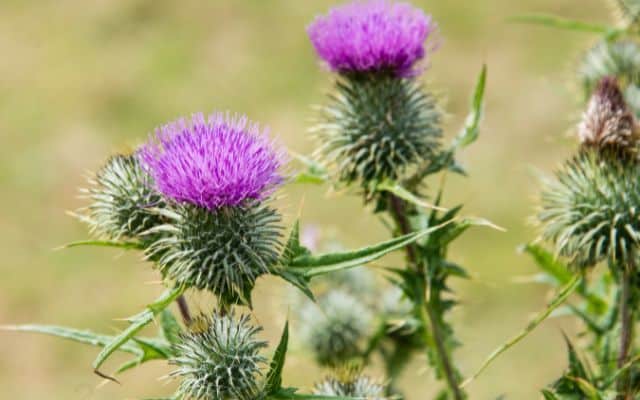
Milk thistle also known as Silybum marianum has been used in folk medicine for hundreds of years.
Research shows that milk thistle contain a group of flavanoligans known as silymarin of which silybin is the main component.
According to research, silybin is used in various chronic liver diseases including cirrhosis and hepatocellular carcinoma because it has strong anti-oxidant and anti-inflammatory power.
Furthermore, silymarin may be protective against viral liver damage, and it is an antioxidant against free radicals associated with alcohol liver disease.
Research shows that silymarin enhances hepatic glutathione the body’s most potent antioxidant.
In that way, milk thistle defends the liver against free radicals produced from the metabolism of substances like ethanol in alcohol, acetaminophen, and carbon tetrachloride(source).
Studies show milk thistle can slow down liver damage in conditions like alcoholic hepatitis.
Studies highlight how silymarin in milk thistle can slow down liver diseases. It’s beneficial for conditions like alcoholic hepatitis, cirrhosis, and fatty liver disease.
Contains silymarin, a compound known for its ability to protect liver cells from toxins and promote their regeneration research shows.
Milk thistle is generally safe for many people but may cause gastrointestinal issues in some people.
Those allergic to plants in the Asteraceae family (like ragweed) should use caution.
These help the liver make new cells, especially useful for people with liver problems.
2. Ginger
Indian and Chinese traditional medicine has used ginger as a tonic to treat many ailments dating back 5000 years ago.
115 constituents of ginger have been identified among which gingerols are the most abundant.
It boosts the immune system and helps rid our bodies of harmful toxins.
Studies prove ginger turns on the Nrf2 pathway, which fights off liver diseases.
Enhances bile production, which helps in the digestion of fats and detoxification processes in the liver.
3. Turmeric
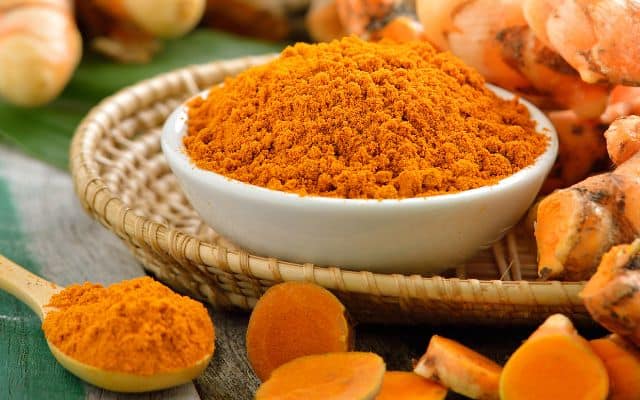
Turmeric, a bright yellow spice from the curcuma longa root, has been used in Ayurvedic and traditional Chinese medicine for thousands of years.
Turmeric is renowned not only for its culinary uses but also for its medicinal properties.
Curcumin, the key ingredient in turmeric is credited with providing a wide range of health benefits, especially for liver health.
One of the primary benefits of turmeric for the liver is its strong anti-inflammatory properties.
Inflammation is a critical factor in the development and progression of many liver diseases, including hepatitis, non-alcoholic fatty liver disease (NAFLD), cirrhosis, and NASH.
By mitigating inflammation, turmeric helps protect liver tissues from ongoing damage and promotes overall liver function.
In addition to its anti-inflammatory effects, turmeric is also a powerful antioxidant.
The liver is frequently exposed to oxidative stress, which can result in significant damage to liver cells and contribute to diseases such as cirrhosis and liver cancer.
Curcumin helps combat oxidative stress by neutralizing free radicals, thus protecting liver cells from damage.
This antioxidant action supports the liver’s ability to maintain its health and function, even in the face of various challenges.
Another significant benefit of turmeric is its role in supporting the liver’s detoxification processes.
The liver is a primary organ responsible for detoxifying the body, and curcumin enhances the activity of liver enzymes that help process and eliminate toxins.
This support is crucial in preventing the buildup of harmful substances that could otherwise lead to liver damage.
By facilitating these detoxification processes, turmeric helps reduce the liver’s workload and supports its overall health.
Furthermore, turmeric has been found to have protective effects against liver fibrosis, a condition characterized by excessive accumulation of connective tissue in the liver, which can progress to cirrhosis if not managed.
Research shows that curcumin in turmeric prevents liver fibrosis and liver damage by modulating several signaling mechanisms.
These include anti-glycation properties common in high blood sugar and diabetes.
Glycation happens as a result of oxidative and non-oxidative reactions when there is too much blood sugar.
The excess blood sugar reacts with fats and proteins causing much tissue damage including liver damage
Curcumin inhibits the activation of hepatic stellate cells, which play a significant role in the development of fibrosis.
This inhibition helps prevent and potentially reverse the progression of liver fibrosis, safeguarding liver health.
Turmeric contains curcumin, an anti-inflammatory and antioxidant compound that helps combat oxidative stress and liver damage.
Research also found that curcumin improved and prevented the development and progression of NASH liver disease in animal studies.
By reducing inflammation, oxidative stress, and fibrosis, turmeric supports the liver’s ability to perform its critical functions, including the metabolism of fats, proteins, and carbohydrates, as well as the production of bile, which is essential for digestion.
4. Dandelion
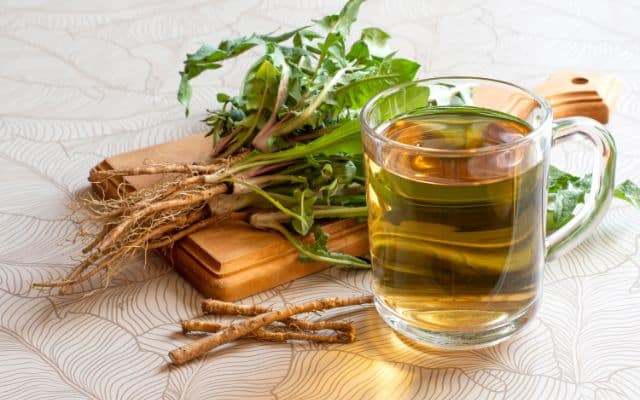
For some people, dandelion is that pesky weed in the lawns that must be eradicated by any means.
But this herbal weed is a potent medicinal herb. From the leaves, flowers, and roots all parts are edible and full of health benefits.
People love dandelion root tea for its detox power. Even though most research is on animals, it seems to improve liver health and protect it from harm.
A 2021 review in the journal Molecules states that dandelion has been used in traditional and folk medicine to treat diverse diseases and was first used to treat spleen and gallbladder problems in Arabian medicine.
And in the 16th century, the German botanist Fuchs discovered that Taraxacum can treat gout, diarrhea, blisters, and spleen and liver diseases.
According to this review, dandelions can be used as a diuretic, antioxidant, bile agent, anti-cancer, anti-inflammatory, and analgesic agents (source).
A 2021 research study also found that dandelion root extract had a protective effect on acute on chronic liver failure as well as renal failure.
This effect appears states be due to the antiinflammatory effects of dandelion root.
5. Green tea extract
Green tea is hailed across the world for its many health benefits, including, anti-cancer effects, cardioprotective, as well a reduction of many chronic diseases including anti-proliferation of hepatic stellate cells and liver fibrosis(source).
Other research also shows green tea drinking green tea offers significant protection against liver diseases including fatty liver disease, hepatitis, cirrhosis, and chronic liver disease.
Green tea is rich in polyphenol antioxidant compounds especially epigallocatechin-3-gallate or EGCG, which according to studies is known to have anti-viral, anti-carcinogenic, antiinflammation, anti-obesity, and lipid-lowering effects.
6. Artichoke leaf extract
Artichoke extract helps with bile production, which is key for removing toxins from our bodies.
It contains cynarin, strengthening our liver cells and reducing certain liver enzymes.
- Increases bile production, which improves digestion and liver function. Provides antioxidant protection, helping to neutralize toxins.
- Precautions: Generally safe, but those with gallstones or bile duct obstruction should consult a healthcare provider.
7. chisandra (Schisandra chinensis)
- It is known for its adaptogenic properties, helping the body cope with stress and enhancing overall liver function. Schisandra protects liver cells from toxins and aids in their regeneration.
- It is generally safe, but pregnant women and those with epilepsy or peptic ulcers should avoid it.
8. Burdock Root (Arctium lappa)
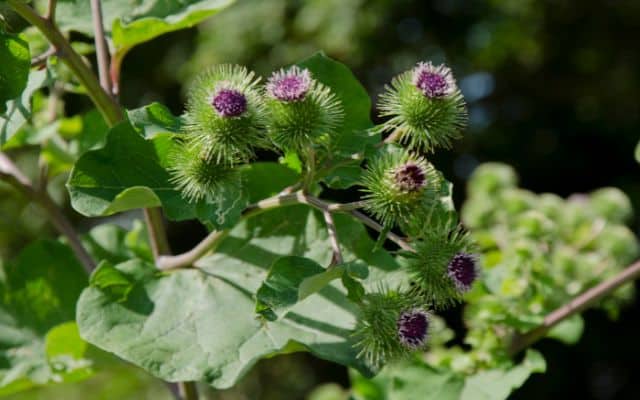
Burdock is a plant in the daisy family native to Europe and Asia.
For thousands of years, Burdock has been used in many cultures for medicinal purposes.
Burdock root has powerful antioxidant and anti-inflammatory benefits.
Burdock acts as a blood purifier, supporting the liver in cleansing the blood of toxins.
Its anti-inflammatory and antioxidant properties protect liver cells.
Research shows that burdock contains plenty of chlorogenic acid, a type of phenolic compound shown to regulate lipid metabolism.
In studies, burdock was found to help with weight loss and improve fatty liver in animal studies.
However, those allergic to daisies or chrysanthemums should not use burdock.
9. Ginseng
Ginseng, a revered herb in both Traditional Chinese Medicine (TCM) and Korean medicine, has a long-standing reputation for promoting vitality and well-being.
The two main types, Asian ginseng (Panax ginseng) and American ginseng (Panax quinquefolius) are particularly celebrated for their adaptogenic properties, helping the body manage stress and maintain balance.
Central to ginseng’s therapeutic effects are its ginsenosides—compounds known for their wide-ranging health benefits, including significant support for liver health.
One of the most notable benefits of ginseng for the liver is its potent antioxidant capacity.
The ginsenosides in ginseng help combat oxidative stress, a major factor in liver cell damage and the development of liver diseases.
By neutralizing harmful free radicals, ginseng protects liver cells and supports their overall health.
This antioxidant action is crucial, as oxidative stress can lead to various liver conditions, including cirrhosis and liver cancer.
In addition to its antioxidant properties, ginseng is also recognized for its anti-inflammatory effects.
Chronic inflammation is a key contributor to the progression of many liver diseases, such as hepatitis and fatty liver disease.
Ginseng helps to reduce inflammation in the liver, thereby protecting liver tissues from further damage.
Research has shown that ginseng can inhibit the production of pro-inflammatory cytokines, molecules that play a critical role in the inflammatory response.
Moreover, ginseng offers hepatoprotective benefits, particularly valuable in protecting the liver from damage caused by toxins, such as alcohol and certain medications.
It supports the liver’s detoxification processes, enhancing the organ’s ability to process and eliminate harmful substances.
This protective effect is vital for preventing liver injury and promoting recovery from existing damage.
Ginseng also has metabolic benefits that contribute to liver health.
It helps regulate glucose metabolism and improves insulin sensitivity, which is especially beneficial for preventing and managing conditions like non-alcoholic fatty liver disease (NAFLD).
10. Licorice root
Licorice is a herbaceous flowering plant found in the Mediterranean areas of Europe, Africa, the Middle East, and Asia.
The roots of the licorice plant have a sweet aroma and extracts are used to flavor food items and candy.
The root extract of licorice has been used in traditional medicine to treat various illnesses including:
- Constipation,
- stomach ulcers
- Nausea
- Upper respiratory illness
- Fever
- Cough
- Menopause and perimenopause symptoms.
Researchers attribute the medicinal attribute of licorice to flavones, and flavanoids and saponins present in licorice.
One major constituent of licorice is glycyrrhizin or glycyrrhizinic acid.
Glycyrrhizinic acid has corticosteroid-like activities and has been used to treat chronic hepatitis C.
However, evidence for its effectiveness in hep C is not fully accepted.
However, according to research, there is evidence in animal and cell studies that glycyrrhizic acid in licorice extract decreases or prevents liver injury from causes such as chemotherapy drugs, Tylenol toxicity, prescription drugs, obesity(fatty liver), and ischemia.
Licorice root extract has antioxidant and anti-inflammatory properties which are protective to the liver.
Per this 2016 study, licorice root extract was found to protect against alcohol-induced fatty liver injury.
Caution on the use of licorice root:
Too much glycyrrhizin can be toxic likely due to its mineral corticoid effects according to research.
It can cause pseudohyperaldosteronism which is characterized by hypertension, hypokalemia, metabolic alkalosis, and even death(source).
12. Astragalus root
Astragalus is a perennial herb in the legume family native to Asia.
Astragalus root has been used for centuries in traditional Chinese medicine (TCM) to treat many health conditions.
It is known as “Huang Qi” in Chinese, and it is valued for its ability to boost the immune system, improve vitality, and combat various diseases.
Astragalus is primarily known for its adaptogenic properties, helping the body resist physical, mental, and emotional stress.
Benefits for Liver Health:
- Antioxidant Properties: Astragalus root is rich in flavonoids and polysaccharides, which exhibit strong antioxidant effects. These compounds help protect liver cells from oxidative stress, which is a common pathway for liver damage, including in alcoholic liver disease (ALD). Oxidative stress occurs when there is an imbalance between free radicals and antioxidants, leading to cell damage.
- Anti-inflammatory Effects: The herb has significant anti-inflammatory properties, which can help reduce inflammation in the liver. Inflammatory processes play a crucial role in the progression of liver diseases, including ALD, by promoting liver cell injury and fibrosis. By modulating the inflammatory response, astragalus can help mitigate liver damage and improve liver function.
- Immune System Modulation: Astragalus is known to modulate the immune system, enhancing immune function and promoting the removal of harmful substances, including toxins and pathogens, from the liver. In cases of liver disease, especially ALD, where immune dysfunction may contribute to disease progression, astragalus can help maintain a balanced immune response.
- Protection Against Liver Fibrosis: Liver fibrosis is a common outcome of chronic liver damage, including ALD, characterized by excessive accumulation of extracellular matrix proteins. Astragalus has been shown to inhibit the activation of hepatic stellate cells, which play a key role in the development of fibrosis. This effect helps prevent the progression from mild liver damage to more severe conditions such as cirrhosis.
- Enhancement of Liver Regeneration: Studies suggest that astragalus can promote liver regeneration, an essential process in recovering from liver damage. By supporting the regeneration of liver cells, astragalus aids in the recovery of liver function after injury, including from alcohol-induced damage.
Use in Alcoholic Liver Disease (ALD):
According to a 2021 study published in Foods, astragalus was found to have hepatoprotective effects.
According to that research, astragalus was effective in reducing alcohol-related oxidative stress, inflammation, and fibrosis, thus protecting against alcohol-induced liver damage.
Moreover, astragalus’s ability to enhance immune function and support liver regeneration further contributes to its protective role in ALD.
Potential Side Effects and Precautions:
Astragalus is generally considered safe for most people when used appropriately.
However, some potential side effects include gastrointestinal discomfort, such as diarrhea or stomach upset.
People with autoimmune diseases should use caution, as astragalus can stimulate the immune system.
Additionally, individuals taking immunosuppressive drugs or anticoagulants should consult a healthcare provider before using astragalus, as it may interact with these medications.
13. raw garlic
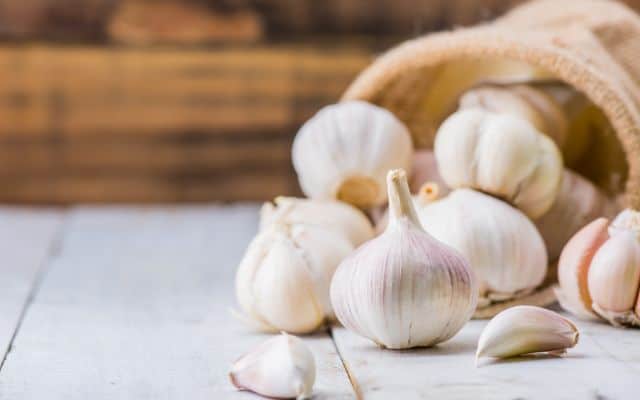
Garlic is a spice/ herb known worldwide for its therapeutic properties. Research shows garlic contains bioactive compounds, such as sulfides, saponins, phenolic compounds, and polysaccharides.
A 2022 study in the Journal of Functional Foods found that garlic and its components had a beneficial effect on NAFLD, prevention, and suppression. Garlic reduced liver steatosis, cholesterol, and serum AST, ALT, and liver weight.
14. Chicory Root (Cichorium intybus)
Chicory root has been used for centuries for its medicinal properties, particularly in supporting liver and digestive health.
This herb, commonly found in Europe, North America, and Australia, belongs to the Asteraceae family and is often used as a coffee substitute due to its rich, earthy flavor.
Its liver-supportive benefits are attributed to a combination of bioactive compounds, including inulin, sesquiterpene lactones, phenolic acids, flavonoids, and vitamins.
Benefits of Chicory Root for Liver Health
- Promotion of Bile Production:
- Chicory root stimulates the production and secretion of bile from the liver. Bile is crucial for digestion, particularly in the emulsification and absorption of fats. By promoting bile flow, chicory root aids in the efficient breakdown and removal of fats and waste products, reducing the burden on the liver.
- Increased bile production helps prevent the buildup of toxins and supports overall liver detoxification. This is particularly beneficial in conditions like fatty liver disease, where fat accumulation can impede liver function.
- Antioxidant Properties:
- Chicory root contains a variety of antioxidants, including phenolic acids and flavonoids, which protect liver cells from oxidative stress. Oxidative stress, caused by an imbalance between free radicals and antioxidants, can lead to liver cell damage and contribute to the development of liver diseases such as cirrhosis and liver cancer.
- The antioxidants in chicory root help neutralize free radicals, thereby reducing oxidative damage and supporting liver health. This antioxidant action is crucial for preventing chronic liver diseases and promoting liver cell regeneration.
- Anti-inflammatory Effects:
- Chronic inflammation is a significant factor in the progression of liver diseases, including hepatitis and cirrhosis. Chicory root has anti-inflammatory properties that can help reduce liver inflammation.
- Studies have shown that chicory root can inhibit the release of pro-inflammatory cytokines, which are molecules that play a role in promoting inflammation. By reducing inflammation, chicory root helps protect liver tissues from chronic damage and supports overall liver health.
- Detoxification Support:
- Chicory root aids in detoxification by supporting liver function and enhancing the liver’s ability to process and remove toxins from the body.
- Chicory root’s role in stimulating bile production and its antioxidant properties make it effective in aiding the detoxification process. It helps the liver clear toxins more efficiently, preventing the accumulation of harmful substances that can lead to liver damage.
- Blood Sugar Regulation:
- Chicory root contains inulin, a type of soluble fiber that supports blood sugar regulation. Maintaining stable blood sugar levels is essential for liver health, as high blood sugar can lead to fatty liver disease and other metabolic disorders.
- By promoting healthy blood sugar levels, chicory root can help reduce the risk of developing non-alcoholic fatty liver disease (NAFLD) and support overall metabolic health.
Additional Benefits and Considerations
- Prebiotic Effects: Inulin, a major component of chicory root, acts as a prebiotic, supporting the growth of beneficial gut bacteria. A healthy gut microbiome is linked to better liver health, as it can reduce inflammation and prevent the overproduction of harmful substances that the liver must process.
- Digestive Aid: Beyond its liver-specific benefits, chicory root can improve overall digestive health, helping to alleviate conditions like indigestion and constipation.
How to Support Liver Health Naturally
Learning to care for your liver naturally is more important today than ever. Nearly 2 million people die worldwide from liver diseases each year.
To keep our livers healthy, we should make changes in how we live, and what we eat, and consider using herbs to help detox our livers.
Starting with a healthy lifestyle is crucial. Eat a variety of foods full of lean proteins, whole grains, fruits, and vegetables.
These foods are full of antioxidants that help your liver.
Drink plenty of water to help get rid of toxins. Exercise regularly to stay fit and keep your liver in top shape.
Avoiding alcohol, tobacco, and unhealthy environments can keep your liver safe too. Managing stress is also key.
Adding certain herbs and supplements to your diet can support your liver even more.
Milk thistle, for example, contains silymarin which is great for your liver. It helps slow down liver diseases like cirrhosis.
Turmeric is also beneficial. It fights inflammation and oxidative stress, two common problems in liver diseases.
Garlic is another powerful herb. It can lower levels of certain fats and substances in the liver.
Artichoke extract and licorice help too, by reducing inflammation and boosting the detox process.
Don’t forget about essential nutrients. Including herbs like astragalus, yellow dock, and dandelion in your diet can also be helpful.
These herbs support your liver’s cleaning and protection procedures. Working on all these parts together can do a lot for your liver health.
It helps lower the chance of chronic liver issues and leads to a healthier life.
FAQ
What are the best herbs for liver cleanse?
The top herbs for a liver cleanse are milk thistle seeds and dandelion root. Also, ginger root and green tea extract work well.
These herbs help protect the liver and improve its health.
What are the signs that you need to detox your liver?
Signs you should detox your liver include hormone issues and high cholesterol.
Also, if you rely too much on medicines or have digestive problems, it might be time. Feeling tired often or having skin and bowel issues are red flags too.
How can I naturally support my liver health?
Help your liver naturally by using herbs.
Try milk thistle, turmeric, artichoke, and yellow dock. Also, eat well, exercise, drink enough water, and manage stress. Stay away from alcohol and smoking.
What holistic approaches can help in liver detoxification?
To detox your liver, eat lots of antioxidants, proteins, and fiber.
Exercise often, drink plenty of water, and add herbs like garlic and turmeric to your meals. These steps can make a big difference in liver health.
How effective are natural liver cleanse herbs?
Natural herbs are great for cleaning your liver. They fight off harm with their antioxidant power. Herbs like milk thistle and dandelion root are especially good at this.
What benefits do milk thistle and turmeric offer for liver health?
Milk thistle and turmeric are very good for your liver. They protect liver cells and help the liver work better. Plus, they cut down liver inflammation.
How do I know if my liver detoxification is working?
You’ll see it’s working from better digestion and more energy. Your skin will look clearer and sleep might improve.
Less stress and an overall good mood mean it’s working. Getting liver tests can also show how you’re doing.