5 Powerful Benefits of Red Clover For Menopause (Uses And Caution)
If you are a woman in menopause or perimenopause, you may have heard mention of the benefits of red clover for hormone balance.
Thank you for reading this post, don't forget to subscribe!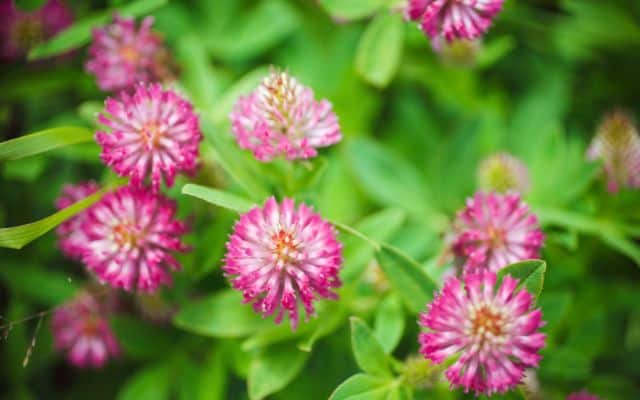
Red clover (Trifolium pratense) is a charming wildflower usually found in open fields and meadows.
It is a time-honored medicinal plant that has earned a powerful reputation in herbal wellness, especially for women and hormone balance.
For centuries, herbalists and natural health practitioners have relied on red clover to treat various conditions, including respiratory symptoms and even as a remedy for menopause symptoms.
So, if you are considering trying red clover, this article will help you understand the health benefits of red clover and the side effects you should be aware of.
What Is Red Clover?
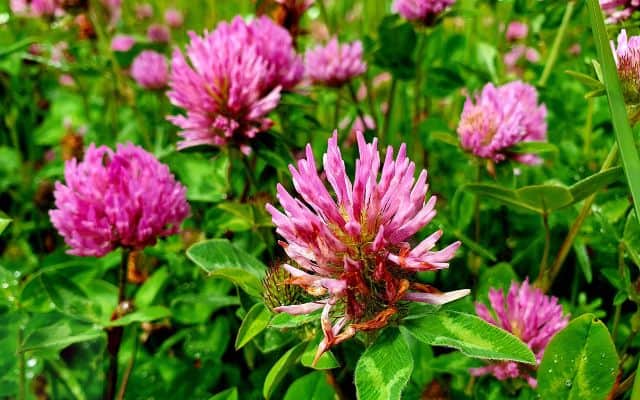
Red clover is a flowering plant in the legume family, related to beans and peas.
It contains a group of compounds called isoflavones, which are a type of phytoestrogen or plant-based chemicals that act similarly to estrogen in the body.
Because of this, red clover can influence hormone-related symptoms and conditions, especially those that surface as estrogen levels decline during menopause.
Historically, red clover has been used in traditional European and Chinese medicine to treat:
- Coughs and respiratory issues
- Skin conditions such as eczema and psoriasis
- Lymphatic congestion
- Menstrual imbalances
- Detoxification and liver support
Health Benefits of Red Clover
1. May Support Hormone Balance in Perimenopause and Menopause
One of red clover’s most celebrated benefits is its ability to ease hormonal symptoms, particularly during the menopause transition.
Red clover contains four key isoflavones, including genistein, daidzein, biochanin A, and formononetin.
These isoflavones can mildly mimic the body’s natural estrogen.
And since menopause symptoms such as hot flushes are due to estrogen decline, isoflavones that mimic estrogen in the body can help relieve menopause symptoms.
Research( 1,2 ,3 )suggests these phytoestrogens can:
- Reduce the frequency and severity of hot flashes
- Alleviate night sweats
- Improve sleep quality
- Relieve vaginal dryness
- Support mood balance during hormonal shifts
A 2021 study in Nutrients found that red clover isoflavones significantly reduced menopausal hot flashes during the 12-week study period. However, further studies are needed.
2. Promotes Bone Health
Estrogen plays a vital role in maintaining bone density, and as it declines with age, women become more susceptible to osteoporosis.
Red clover’s isoflavones, which are a type of phytoestrogen, may help slow the rate of bone loss.
One randomized controlled Study found that postmenopausal women taking red clover extract had improved bone mineral content in the lumbar spine compared to the placebo group.
Another sytemic review study of randomized controlled trials published in the Osteoporosis International also found that red clover isoflavones may be considered as a complementary or alternative treatment for menopause-associated bone loss.
3. Cardiovascular Support
Research shows that declining estrogen levels in menopause are associated with increased cardiovascular health risks.
Estrogen is a cardioprotective hormone, and when it decreases or becomes depleted, there are changes in lipid metabolism, vasodilation, inflammation, and endothelial function, leading to fat accumulation in arteries and vasoconstriction.
Red clover may also support heart health, which is especially important after menopause, when the risk of heart disease increases.
Potential cardiovascular benefits include:
- Improved arterial flexibility (important for healthy blood flow)
- Reduction in LDL cholesterol (bad cholesterol)
- Improved HDL levels (good cholesterol)
- Lowered blood pressure in some cases
A 2006 study in the Menopause journal reported that women supplementing with red clover showed increased arterial compliance, meaning their blood vessels were more flexible, which is a key marker of cardiovascular health.
4. Immune System Support
Though not as widely known for this benefit, red clover contains antioxidant compounds, such as flavonoids, anthocyanin compounds, and phenolic acids, which may play a role in supporting immune health.
These compounds help combat oxidative stress, one of the major drivers of inflammation and immune dysregulation.
A 2020 study published in the Nutrients Journal found that the anthocyanins in red clover exhibited anti-inflammation and anti-oxidation effect on immune cells in vitro.
However, further robust studies are needed.
Some preliminary research also suggests that red clover may:
- Enhance lymphatic flow, which helps the body eliminate toxins
- Support respiratory immunity, particularly in traditional uses
- Offer antimicrobial properties, helping the body defend against pathogens
While more robust clinical trials are needed to confirm these effects in humans, the presence of immune-modulating compounds makes red clover a potentially valuable herb for overall wellness.
5. Skin and Hair Health
Traditionally, red clover extract was used to promote skin and hair health.
Thanks to its hormone-supportive properties, red clover may help improve skin texture, boost collagen production, and reduce thinning hair associated with hormonal decline.
A 2011 clinical study in Obstetrics and Gynecology International found that red clover extract improved skin elasticity, texture, and hydration in postmenopausal women compared to a placebo.
Women in the study also reported subjective improvement of scalp hair, as well as mood, libido, and sleep after taking 80mg of red lover extract for 90 days.
How to Use Red Clover
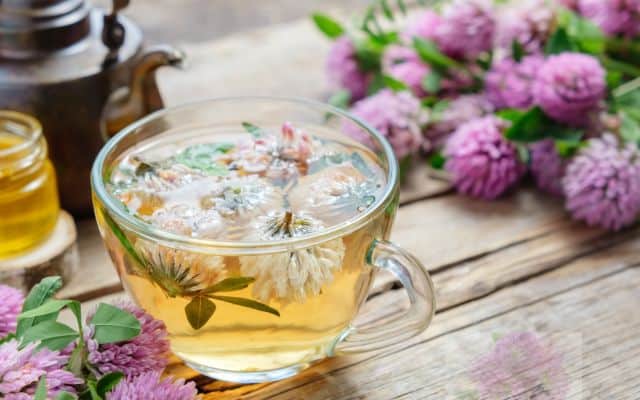
You can find red clover in several forms:
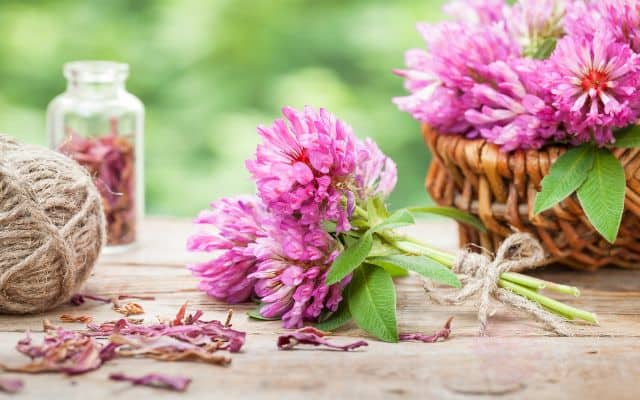
- Tea: A gentle, traditional way to enjoy red clover regularly
- Capsules or tablets: Great for standardized dosing of isoflavones
- Tinctures: Liquid extracts that can be added to water or juice
- Powders: Sometimes added to smoothies or protein drinks
Look for products that are standardized to 40 mg of isoflavones per daily dose for menopause support.
Always follow label directions and consult with a healthcare provider for personalized dosing.
Safety and Precautions
Red clover is generally well tolerated by most people when used short-term. However, caution is advised in the following situations:
- History of estrogen-sensitive cancers (breast, ovarian, uterine)
- Liver disease.
- Blood clotting disorders or the use of blood-thinning medications like warfarin.
Always consult with your healthcare provider before adding red clover to your routine, especially if you are taking medications or managing chronic conditions.
Final Thoughts
Red clover is a gentle, well-rounded herb that offers more than just hormonal support.
From easing menopausal discomfort to supporting heart and immune health, its versatility makes it a valuable addition to any natural wellness plan, especially for women navigating the midlife transition.
If you’re looking for a plant-based, time-honored remedy with a growing body of research behind it, red clover may be just the herbal ally you need.
Looking for more herbal remedies to boost your health?
Also, check out these posts:
The health benefits of stinging nettle
Amazing health benefits of Lemon Balm
Powerful Benefits of Hibiscus Tea