Symptoms of Dopamine Deficiency: What You Need to Know
What if the solution to your persistent fatigue, lack of motivation, or mood swings lay in a simple chemical imbalance?
Thank you for reading this post, don't forget to subscribe!Do you perhaps have signs and symptoms of dopamine deficiency?
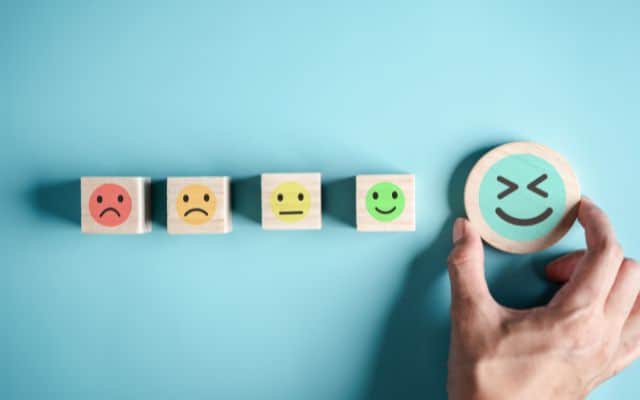
Dopamine plays a critical role in how we feel, think, and function daily.
Often referred to as the “feel-good” neurotransmitter, dopamine is responsible for regulating mood, motivation, and even our ability to experience pleasure.
When our dopamine levels are in balance, we feel energized, focused, and satisfied.

However, when dopamine levels drop, it can lead to a variety of physical and mental health challenges.
Dopamine deficiency, while often overlooked, can manifest in subtle ways—from feeling fatigued or unmotivated to struggling with mood disorders like depression.
In this post, we’ll explore what dopamine deficiency is, its causes, common symptoms, and natural ways to support healthy dopamine levels.

What is dopamine deficiency?
Dopamine deficiency means your body doesn’t make enough of this important chemical.
This can lead to physical issues like tremors and muscle stiffness. It can also cause mental and emotional problems such as depression, apathy, and addictive behaviors.
Knowing the signs of dopamine deficiency is the first step to getting your health back on track.
What is Dopamine and Its Role in the Body?

Dopamine is a key neurotransmitter and hormone. It helps with many body functions.
As a neurotransmitter, it sends chemical messages between nerve cells in the brain.
As a hormone, it controls processes all over the body.
It’s made in certain brain areas and is vital for the body to work right.
Dopamine is a Neurotransmitter and Hormone
Dopamine sends signals between nerve cells, helping them talk to each other.
It helps with mood, memory, learning, and finding pleasure. It also acts as a hormone, affecting things like blood flow, sodium levels, insulin, and the immune system.
Importance of Dopamine in Body Functions
- Mood regulation: Dopamine helps control feelings of well-being and happiness.
- Motivation: It pushes us to pursue goals and rewards, driving ambition and productivity.
- Pleasure: Dopamine is responsible for our ability to feel joy and satisfaction from experiences.
- Focus and attention: It helps us concentrate and stay engaged with tasks.
- Movement: Dopamine is crucial for controlling smooth, coordinated movements, which is why a deficiency can lead to motor issues like those seen in Parkinson’s disease.
- Cognitive function: Dopamine influences memory, decision-making, and the ability to prioritize tasks.
- It’s part of the lactation process and helps with other body functions too.
Not having enough dopamine can cause health issues like Parkinson’s disease, ADHD, addiction, and schizophrenia.
Knowing how important dopamine is helps us keep our bodies healthy and fix any problems.

The Dopamine Pathways
Dopamine operates through specific pathways in the brain, each responsible for different functions.
The mesolimbic pathway is associated with pleasure and reward, while the nigrostriatal pathway plays a major role in movement and coordination.
These pathways help regulate how we experience emotions, make decisions, and interact with our environment.
Why Balanced Dopamine Levels Matter
When dopamine levels are balanced, we feel focused, motivated, and able to enjoy life.
However, a dopamine deficiency can lead to a range of issues, from difficulty concentrating and low motivation to more serious conditions like depression and motor impairments.
On the other hand, too much dopamine can be linked to risky behaviors, addiction, and other psychological conditions.
Understanding how dopamine functions and why balance is important can help shed light on many mental and physical health issues.
Symptoms dopamine deficiency
Because dopamine plays a key role in regulating mood, motivation, pleasure, and movement, a shortage of this neurotransmitter can manifest in different ways depending on the person.

Below are some of the most common symptoms that can indicate dopamine deficiency:
- Lack of motivation and drive
- Fatigue
- Mood disorders, such as depression and anxiety
- Anhedonia, or the inability to feel pleasure
- Low sex drive
- Sleep disturbances
- Tremors and muscle stiffness
- Balance issues
- Cognitive changes, such as impulsiveness and social withdrawal
Dopamine deficiency can affect both mental and physical health, leading to a variety of symptoms that often go unnoticed or are attributed to other causes.
Because dopamine plays such a key role in regulating mood, motivation, pleasure, and movement, a shortage of this neurotransmitter can manifest in different ways depending on the person.
Below are some of the most common symptoms that can indicate dopamine deficiency:
Symptoms of Dopamine Deficiency

1. Fatigue and Low Energy
- One of the hallmark signs of dopamine deficiency is feeling persistently tired, even after adequate rest. This kind of fatigue goes beyond physical exhaustion, affecting your mental drive and energy levels throughout the day.
2. Lack of Motivation and Drive
- Dopamine is closely linked to motivation, which is why low levels can make it difficult to get started on tasks or maintain interest in things that once excited you. This symptom, often described as feeling “unmotivated” or “apathetic,” can make even routine tasks feel overwhelming or unappealing.
3. Difficulty Focusing and Concentrating
- With dopamine playing a major role in cognitive function, a deficiency can result in challenges with attention and focus. People may struggle to concentrate on tasks or feel mentally foggy, often finding themselves easily distracted or unable to complete projects.
4. Low Mood or Depression
- Since dopamine is central to feelings of pleasure and reward, a shortage can lead to low mood, persistent sadness, or even clinical depression. People with dopamine deficiency often feel a lack of joy or excitement in life, as everyday experiences no longer bring the same sense of satisfaction.
5. Anhedonia (Reduced Ability to Feel Pleasure)
- Anhedonia is the inability to experience pleasure from activities that were once enjoyable, such as hobbies, socializing, or even food. This symptom is closely tied to dopamine’s role in the brain’s reward system and can significantly indicate low dopamine levels.
6. Cravings for Sugary or Unhealthy Foods
- Dopamine deficiency can lead to increased cravings for sugar, junk food, or stimulants. These cravings often arise because sugary foods temporarily boost dopamine levels, offering a quick, albeit unhealthy, “feel-good” fix. However, these short-term boosts can make the problem worse in the long run by disrupting the brain’s natural dopamine production.
7. Anxiety and Restlessness
- Anxiety is another symptom commonly associated with dopamine deficiency. People may feel constantly on edge, nervous, or uneasy, even without a clear reason. This restlessness can also manifest physically, with fidgeting or an inability to relax.
8. Sleep Problems
- Dopamine helps regulate the sleep-wake cycle, so low levels can lead to disrupted sleep patterns. People with dopamine deficiency may experience insomnia, difficulty falling asleep, or waking up frequently during the night. Conversely, some individuals may feel excessively sleepy during the day, even after a full night’s sleep.
9. Physical Symptoms (Muscle Stiffness, Tremors)
- Dopamine plays a crucial role in motor function, so a deficiency can cause physical symptoms such as muscle stiffness, slow movements, tremors, and balance problems. In more severe cases, such as Parkinson’s disease, these motor symptoms can become pronounced and debilitating.
10. Loss of Interest in Social Activities
- Individuals with low dopamine levels may lose interest in socializing, becoming withdrawn or isolated. Since dopamine is linked to the reward system, people may no longer find enjoyment in social interactions or may lack the energy to engage with others.
11. Irritability or Mood Swings
- Dopamine imbalances can also result in sudden irritability or mood swings. Without sufficient dopamine to regulate emotional responses, minor frustrations can lead to disproportionate anger or sadness.
12. Cognitive Changes in Dopamine Deficiency: Impulsiveness and Social Withdrawal
- When dopamine levels are low, cognitive functions like decision-making, impulse control, and social engagement can be significantly affected.
Let’s explore how these specific cognitive changes—impulsiveness and social withdrawal—manifest in dopamine deficiency:
- Impulsiveness
Dopamine plays a central role in regulating our ability to assess risks, delay gratification, and make thoughtful decisions.
When dopamine levels are low, this regulation becomes disrupted, leading to impulsiveness.
Impulsiveness refers to acting on urges or decisions without considering the consequences.
People with dopamine deficiency may struggle to pause and think before acting, leading to behaviors such as:
- Making hasty decisions or engaging in risky activities.
- Difficulty controlling emotions, resulting in outbursts or poor judgment.
- Overeating or turning to unhealthy substances like alcohol or drugs to temporarily boost dopamine levels.
Impulsiveness is tied to dopamine’s role in the brain’s reward system, where the drive for instant gratification outweighs the ability to consider long-term benefits.
This behavior can often lead to negative consequences in both personal and professional areas of life.
- Social Withdrawal
Social withdrawal is another common cognitive symptom of dopamine deficiency.
Dopamine is linked to motivation and the sense of reward we experience from social interactions.
When dopamine levels drop, socializing may no longer seem enjoyable or rewarding, leading individuals to isolate themselves.
Social withdrawal can manifest as:
- Loss of interest in spending time with friends and family.
- Avoiding social gatherings or feeling drained by them.
- Difficulty initiating or maintaining conversations.
- Feelings of apathy toward forming new relationships or deepening existing ones.
This lack of engagement stems from dopamine’s role in driving pleasure and reward-seeking behavior.
Without sufficient dopamine, social connections may feel unfulfilling, leading to isolation, loneliness, and sometimes worsening mood disorders like depression.
Impulsivity and social withdrawal can deeply affect a person’s quality of life, relationships, and emotional health.
However, recognizing these symptoms as part of dopamine deficiency is crucial for finding ways to restore balance and regain control over cognitive functions.
Causes of Dopamine Deficiency
Dopamine deficiency can result from a variety of factors, including neurological issues, genetics, lifestyle habits, and underlying medical conditions.

1. Neurological Disorders
Certain neurological conditions directly impact dopamine production.
For example, Parkinson’s disease leads to the degeneration of dopamine-producing neurons in the brain.
As these nerve cells die off, dopamine levels drop, resulting in motor symptoms like tremors, stiffness, and slowed movement.
2. Brain Injuries and Trauma
Physical damage to the brain, whether from trauma, stroke, or surgery, can affect areas involved in dopamine production and regulation.
Injuries to regions like the substantia nigra or other dopamine-related pathways can significantly reduce dopamine levels, impairing movement, mood, and cognitive functions.
3. Genetic Factors
Genetics can also play a role in dopamine deficiency.
Some individuals may have genetic variations that influence how their body produces, release, or absorb dopamine.
For example, mutations affecting the enzymes responsible for dopamine synthesis or the transporters that recycle dopamine can result in lower overall levels.
Dopamine receptor dysfunction—where the brain’s receptors fail to respond properly to dopamine—can also contribute to deficiency, even if dopamine production is adequate.
4. Diet and Nutrition
A poor diet lacking in essential nutrients can reduce dopamine production. Dopamine is synthesized from the amino acid tyrosine, which is found in protein-rich foods like eggs, dairy, fish, and legumes.
Diets low in these sources may limit dopamine production.
Additionally, diets high in saturated fats can impair dopamine signaling by causing inflammation in the brain, reducing its ability to effectively use dopamine.
Excessive sugar consumption can also lead to short-term dopamine spikes, but over time, it can disrupt the brain’s natural dopamine regulation, leading to long-term deficiency.
5. Chronic Diseases: Diabetes and Obesity
Chronic conditions like diabetes and obesity have been linked to dopamine deficiency.
In diabetes, insulin resistance can affect dopamine production, leading to altered reward responses and diminished motivation.
In obesity, changes in brain chemistry can impair dopamine function. Overconsumption of highly processed, high-fat foods is thought to cause dopamine receptor downregulation, meaning the brain requires more dopamine to achieve the same level of pleasure or reward.
This creates a cycle where more food is consumed to compensate, further contributing to dopamine imbalance.
6. Dopamine Receptor Issues
Dopamine receptors are crucial for the brain to effectively use dopamine. When these receptors are damaged, impaired, or desensitized (often due to chronic stress, poor diet, or overexposure to stimulants), even normal levels of dopamine may not produce the desired effect.
This condition, known as dopamine receptor dysfunction, can contribute to feelings of fatigue, lack of motivation, and mood instability.
Conditions Linked to Dopamine Deficiency

Dopamine deficiency is tied to many medical conditions.
Each condition has its own set of challenges and ways to treat it.
Parkinson’s Disease and Movement Disorders
Parkinson’s disease is a condition linked to dopamine loss.
Signs occur when the nerve cells in the basal ganglia an area of the brain that controls movement get impaired and/or die.
These nerves and neurons produce dopamine, and when they get impaired or die they produce less or no dopamine, thus impairing movement (source).
This loss causes movement issues like tremors and stiffness.
The exact cause of Parkinson’s is not fully understood, but genetic and environmental factors are believed to contribute to the degeneration of dopamine-producing cells.
Other disorders, like dystonia and Huntington’s disease, also affect dopamine signaling.
Major depressive disorder
While many factors contribute to depression, a dopamine deficiency is often a key component in certain types of depressive disorders, particularly those involving anhedonia (the inability to experience pleasure and motivation).
According to research, dopamine’s role in the reward system means that when levels are low, individuals may experience a lack of motivation and feelings of emptiness.
Attention Deficit Hyperactivity Disorder (ADHD)
ADHD is a disorder that affects how the brain uses dopamine.
ADHD is a neurodevelopmental disorder that affects how the brain uses dopamine leading to attention, impulsivity, and hyperactivity.
Research suggests that individuals with ADHD may have lower levels of dopamine in key areas of the brain responsible for regulating attention and executive function.
Substance Abuse and Addiction
Dopamine plays a crucial role in the brain’s reward system, which is why it’s so closely linked to addiction.
Drugs like cocaine, methamphetamine, and alcohol can flood the brain with dopamine, creating intense feelings of pleasure.
Over time, this leads to reduced natural dopamine production, resulting in tolerance, cravings, and dependence.
Substance abuse and addiction can harm dopamine receptors and how dopamine is released.
Drugs like cocaine overstimulate dopamine, leading to craving and withdrawal.
Research shows that the feeling of pleasure is how the brain reinforces beneficial behavior such as eating, sex, and socializing.
The brain is wired in such a way that we will remember these positive behaviors.
And dopamine is the key to this reward reward-seeking behavior.
Domain is released when something pleasurable happens.
However, in drug use, a much larger surge of dopamine is released when the drug is used.
But just like you would turn down the volume on a much too loud radio or TV,
so does the brain by fewer neurotransmitters in the reward circuit system or reducing receptors that can receive a signal(source).
As a result a drug abuser eventually loses the ability to experience pleasure from normal regular things that would produce feelings of reward and pleasure.
And they feel flat, unmotivated, lifeless, and or depressed.
The person then seeks drugs to experience this reward and will need a larger and larger dose to achieve the same level of reward research shows.
So it’s important to seek care from a medical and mental health provider to address dopamine imbalances.
Schizophrenia
Schizophrenia is a severe mental disorder characterized by distorted thinking, perception, and behavior.
According to studies, dopamine dysregulation, particularly overactivity in some dopamine pathways, is thought to contribute to the development of schizophrenia.
While some areas of the brain may have too much dopamine, others may have too little, leading to a range of symptoms.
And this leads to signs of the disease such as:
- Hallucinations and delusions
- Disorganized thinking and speech
- Emotional flatness or lack of motivation
- Cognitive difficulties, such as impaired memory and decision-making
Cause: Schizophrenia’s exact cause is unclear, but genetic predisposition and abnormalities in dopamine regulation, particularly in the mesolimbic pathway, are believed to play a role (source).
Restless Legs Syndrome (RLS)
RLS is a neurological disorder characterized by an overwhelming urge to move the legs, often accompanied by uncomfortable sensations.
According to a 2018 study in The Journal of Frontiers in Neurology, low dopamine levels or dopamine receptor dysfunction in the brain’s motor circuits are thought to contribute to this condition, particularly at night when symptoms are often worse.
Dopamine Transporter Deficiency Syndrome (Infantile Parkinsonism-Dystonia)
A rare genetic disorder, Dopamine Transporter Deficiency Syndrome is marked by early-onset movement disorders similar to those seen in Parkinson’s disease( source).
Per Medline Plus the condition arises from mutations in the gene responsible for dopamine transport, leading to severe dopamine deficiency in the brain.
Symptoms:
Muscle stiffness and rigidity
Dystonia (involuntary muscle contractions)
Poor coordination and movement control
Delayed motor milestones in infants
Cause: This genetic condition affects the dopamine transporter, which is responsible for reabsorbing dopamine after it has been released into the brain’s synapses.
Symptoms:
- Uncomfortable tingling or itching sensations in the legs
- An uncontrollable urge to move the legs, especially when resting
- Sleep disturbances due to restless legs
Cause: Dopamine deficiency or poor dopamine signaling in the brain’s motor pathways is implicated in RLS, and medications that increase dopamine activity can often relieve symptoms.
Diagnosing Dopamine Deficiency
Figuring out if someone has a dopamine deficiency is tricky.
Doctors don’t directly test dopamine levels because it’s hard.
They look at the patient’s medical history, check symptoms, and might use imaging tests to spot signs of low dopamine.
Medical History and Symptom Assessment
The first step is reviewing the patient’s medical history.
Doctors want to know about any neurological or mental health issues or substance abuse.
They also look at current symptoms like feeling tired, not motivated, mood swings, and trouble focusing.
Imaging Tests and Dopamine Transporter Scans
If the patient’s history and symptoms hint at a dopamine issue, doctors might order imaging tests.
These include dopamine transporter scans or SPECT scans.
These scans show how the dopamine system is working and can spot problems.
Doctors use the patient’s history, symptoms, and imaging tests to see if they have a condition related to low dopamine.
This could be Parkinson’s disease, ADHD, or substance abuse disorders.
This detailed approach helps make sure the diagnosis is right and guides treatment.
Treatment Options for Dopamine Deficiency
Dealing with dopamine deficiency often means using both medicine and changing your lifestyle.
There are two main ways to tackle this: through medications and dopamine agonists, and by making lifestyle and dietary changes.
Medications and Dopamine Agonists
For people with Parkinson’s disease or restless legs syndrome, certain medicines can help.
Levodopa, which turns into dopamine in the brain, is often the first choice (source).
Dopamine agonists like pramipexole, ropinirole, and rotigotine can also be given for restless legs syndrome( source).
These drugs mimic dopamine by activating dopamine receptors in the brain, easing symptoms.
Natural Ways to Increase Dopamine Levels
Eat Dopamine-Boosting Foods
Certain foods can help increase dopamine production by providing the necessary building blocks and nutrients:
- Tyrosine-rich foods: Tyrosine is an amino acid that the body uses to produce dopamine (source). Foods high in tyrosine include:
- Almonds
- Avocados
- Eggs
- Chicken and turkey
- Bananas
- Dairy products like yogurt and cheese
- Foods rich in antioxidants: Dopamine is prone to damage by free radicals, so consuming antioxidant-rich foods helps protect dopamine-producing cells. Examples include:
- Blueberries
- Spinach
- Green tea
- Foods rich in probiotics:
The gut-brain connection is now well known and it is also known that certain gut bacteria also produce neurotransmitters including dopamine.
A 2022 study in Biomedicines highlights the role of gut bacteria in maintaining an adequate supply of dopamine through the intricate and bidirectional communication of the microbiota-gut-brain axis.
This crucial signaling pathway is influenced by the gut’s immune system, the vagus nerve, the hypothalamus-pituitary-adrenal (HPA) axis, and metabolites produced by gut microbes (source).
Additionally, the study states that gut microbiota contain intrinsic enzymatic factors highly involved in dopamine metabolism, synthesis, and metabolite breakdown.
And that is why leaky gut and gut inflammation may be linked to mental health problems including depression.
Also, read this article on the signs and symptoms of probiotics deficiency.
Read related post:
The best foods to boost dopamine levels naturally
2. Get Regular Exercise
According to a 2021 study in Brain Science, physical activity may influence neurotransmitter secretion including the stimulation of dopamine release, especially in aerobic exercises like running, swimming, and cycling.
Research shows regular exercise improves mood, increases motivation, and supports overall brain health, effects associated with dopamine activity.
3. Practice Meditation and Mindfulness
Mindfulness meditation and stress-reducing activities can naturally raise dopamine levels.
A 2002 study on meditation found that meditation produced increased dopamine tone and induced a change in consciousness.
Meditation helps reduce cortisol (stress hormone) and supports better regulation of neurotransmitters, including dopamine.
4. Get Enough Sleep
Adequate rest is essential for dopamine production.
Research shows that chronic sleep deprivation reduces the availability of dopamine receptors, leading to lower dopamine levels.
The increased dopamine release may be associated with impulsiveness and risky decision-making seen in sleep deprivation.
Aim for 7-9 hours of quality sleep per night to maintain balanced dopamine levels.
5. Listen to Music
Listening to music you enjoy has been shown in research to increase dopamine release.
Uplifting or energizing music, in particular, can stimulate the brain’s reward system and improve mood.
6. Take Supplements
Certain supplements may help support dopamine levels:
- L-tyrosine: A precursor to dopamine that can enhance production, especially in periods of stress or mental fatigue.
- Vitamin D: This vitamin supports dopamine production and receptor function. Research shows that vitamin D3 increases dopamine in children with ADHD.
- Magnesium: Known to aid in dopamine release and reduce oxidative stress in dopamine-producing neurons.
- Omega-3 fatty acids: Found in fish oil, these support brain health and improve dopamine signaling.
7. Engage in Pleasurable Activities
Dopamine is released in response to pleasurable and rewarding activities, such as:
- Setting and achieving small goals
- Engaging in hobbies or creative activities
- Spending time with loved ones and socializing
8. Limit Sugar and Stimulants
Although sugary foods and stimulants like caffeine can give a quick dopamine boost, over time, they may lead to a reduced dopamine response, making it harder for the brain to regulate natural levels.
This is because according to research, excess sugar produces the same effect as drugs of abuse, leading to reduced dopamine production.
Reducing sugar intake helps maintain balanced dopamine production.
9. Reduce Stress
Chronic stress reduces dopamine levels over time, so adopting stress-management techniques like deep breathing, yoga, and relaxation exercises can prevent dopamine depletion.
10. Cold Showers
Exposure to cold (such as taking a cold shower) has been shown to increase dopamine levels.
It stimulates the release of neurotransmitters, including dopamine, helping to improve alertness and mood.
Seeking Professional Help for Dopamine Imbalances
If you think you might have a dopamine deficiency, getting help from a healthcare provider is key.
They will look at your medical history and check your symptoms. They might also order tests to find out why you have a dopamine imbalance.
This detailed check-up is important to find and fix the main problem. It could be a brain condition, a genetic issue, or something related to your lifestyle.
With a healthcare professional’s help, you can get the right treatment and support.
This might mean taking certain medicines or making changes in your life. These could be eating better, exercising more, or finding ways to handle stress.
tired, moody, or having trouble focusing, don’t wait to see a healthcare provider.
They can create a plan to help you feel your best by balancing your dopamine levels.
FAQ
What is dopamine and what is its role in the body?
Dopamine is a key neurotransmitter and hormone. It helps with memory, motivation, learning, reward, and movement.
It sends chemical messages between nerve cells in the brain or between the brain and the body.
This is vital for the body’s systems to work right.
What are the symptoms of dopamine deficiency?
If you have low dopamine, you might feel unmotivated and tired. You could struggle to focus and might feel depressed or anxious.
You might not enjoy activities you used to like, and your sex drive could be lower. You might also have trouble sleeping.
What can cause low dopamine levels?
Many things can cause low dopamine levels. This includes brain injuries or disorders that affect dopamine production.
Genetics and issues with dopamine receptors in the brain can also play a role.
What medical conditions are linked to dopamine deficiency?
Dopamine deficiency is linked to Parkinson’s disease and ADHD.
It’s also linked to substance abuse and addiction.
How is dopamine deficiency diagnosed?
Doctors don’t directly test for dopamine levels. They look at your medical history and symptoms.
They might use imaging tests like dopamine transporter scans to check for related conditions.
How can dopamine deficiency be treated?
Treatment varies by the cause. Doctors might prescribe levodopa or dopamine agonists for conditions like Parkinson’s disease.
Eating right and exercising can also help increase dopamine levels naturally.
What are some natural ways to increase dopamine levels?
Exercise boosts dopamine.
Eating foods rich in tyrosine, like bananas and avocados, can help too. Supplements like tyrosine and omega-3s might also increase dopamine levels.
How does dopamine affect mental health?
Dopamine is key to mental health. It’s linked to depression and schizophrenia. Low levels can cause depression and make it hard to feel pleasure.
It affects both positive and negative symptoms of schizophrenia.
Why is it important to maintain healthy dopamine levels?
Dopamine keeps us feeling good and motivated.
It helps with mood, energy, and thinking. Without enough dopamine, our quality of life can suffer.
When should someone seek professional help for dopamine imbalances?
If you think you have a dopamine imbalance, see a healthcare provider.
They can check your symptoms and history. They’ll order tests and give the right treatment.
Conclusion
Dopamine deficiency can manifest in various symptoms, from persistent fatigue and lack of motivation to difficulty focusing low mood, and even physical issues like muscle stiffness.
These signs can impact both your mental and physical well-being, but it’s important to remember that there’s hope.
Understanding the symptoms is the first step toward addressing dopamine deficiency.
You can naturally increase dopamine levels and alleviate these symptoms with targeted lifestyle changes—such as eating dopamine-boosting foods, staying active, getting enough sleep, and managing stress.
Even if the effects of low dopamine feel overwhelming, taking small, consistent steps can make a significant difference.
With patience and a proactive approach, you can regain your energy, sharpen your focus, and feel more joy in daily life.


