Lemon Balm Benefits: A Soothing Herb with Powerful Benefits
You may perhaps already know that lemon balm is great for anxiety and the nervous system.
Thank you for reading this post, don't forget to subscribe!
So in this post, we will explore the top lemon balm benefits, its soothing history, wellness uses, and essential safety tips.
If you’re looking for a gentle herb that supports calm, focus, and wellness, look no further than lemon balm.
With its fresh lemony scent and long-standing reputation in herbal medicine, lemon balm is having a moment, and for good reason.
What Is Lemon Balm?
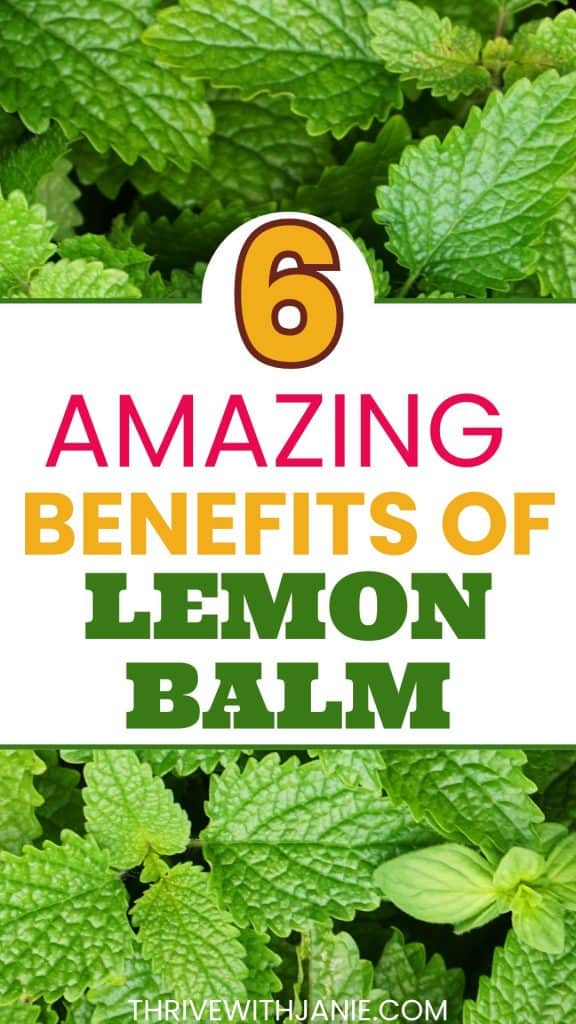
Lemon balm (Melissa officinalis) is a fragrant, lemon-scented herb in the mint family.
Its soft, crinkly green leaves have a subtle citrus aroma and a slightly sweet taste, making it a favorite for teas, tinctures, and even desserts.
While it’s native to Europe, it now grows abundantly in home gardens around the world—especially among those who cherish natural remedies.
A Brief History of Use
Lemon balm has been used for over 2,000 years.
The ancient Greeks and Romans valued it for its calming and healing properties.
In the Middle Ages, it was often steeped in wine to lift the spirits and ease digestive troubles.
Herbalists like Hildegard of Bingen and Paracelsus referred to it as an elixir of life, and it was a key ingredient in Carmelite water, a tonic created by French nuns to alleviate stress and headaches.
Current Known Lemon Balm Benefits
Modern research is catching up with traditional wisdom. Here are some of the well-known and studied benefits of lemon balm today:
1. Calms the Nervous System
Lemon balm is best known for its calming effects. It’s been shown to reduce symptoms of anxiety, stress, and mild insomnia.
A cup of lemon balm tea before bed may help quiet a racing mind and support restful sleep.
2. Supports Cognitive Function
Some studies suggest lemon balm may help enhance memory and improve focus, especially when taken in small doses. It’s even been studied for its potential benefits in Alzheimer’s support protocols.
3. Eases Digestive Discomfort
Lemon balm has antispasmodic and carminative properties, which help relieve bloating, gas, and indigestion. It pairs well with herbs like chamomile, ginger, and peppermint.
4. Offers Antiviral and Antioxidant Support
Lemon balm contains compounds that may help fight off viruses, including herpes simplex virus (HSV). It also has antioxidant properties, which help protect the body from oxidative stress.
5. May Help with PMS and Menstrual Discomfort
Traditionally, lemon balm has been used to relieve symptoms like irritability, mood swings, and cramping associated with PMS.
6. Supports Heart Health and May Help Lower Cholesterol
Emerging research suggests that lemon balm may also support cardiovascular health.
Some studies indicate that compounds in lemon balm can help reduce LDL cholesterol levels (the “bad” cholesterol) and support overall lipid balance.
In addition, lemon balm’s antioxidant and anti-inflammatory properties may offer protective effects for blood vessels and circulation.
One study in particular found that lemon balm extract helped reduce triglycerides and improve cholesterol profiles in animal models.
While human studies are still limited, these findings suggest promising cardioprotective benefits, particularly when lemon balm is incorporated into a balanced, heart-healthy lifestyle.
If you’re looking to support your heart naturally, a warm cup of lemon balm tea may offer gentle benefits, while also helping you unwind.
How to Use Lemon Balm
Lemon balm is incredibly versatile and can be used in a variety of ways:
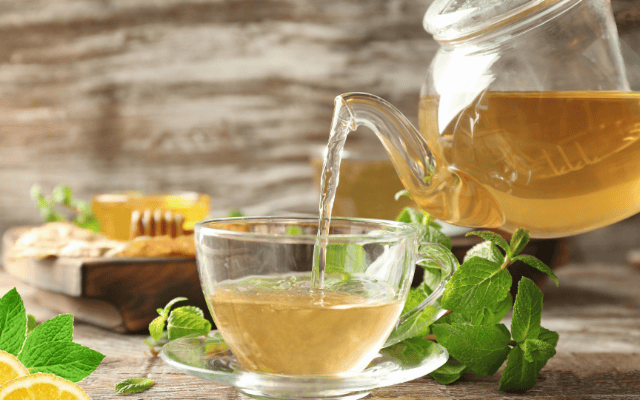
- Herbal tea – Steep fresh or dried leaves in hot water for a calming drink.
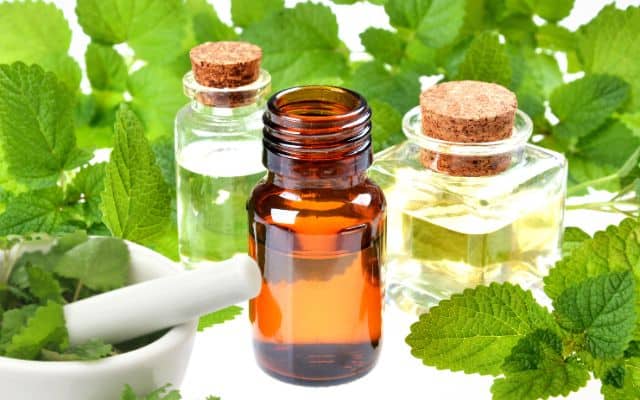
- Tinctures and capsules – For a more concentrated dose.
- Salves and creams – Helpful for cold sores or irritated skin.
- Culinary uses – Add fresh leaves to salads, fruit dishes, or lemonade for a refreshing flavor.
Lemon balm with other herbs
You can blend lemon balm with other calming herbs like lavender, chamomile, or passionflower for a more synergistic effect.
If lemon balm isn’t available, mint or lemon verbena can provide a somewhat similar taste and digestive support, though they don’t have the same calming effect.
When making tea, combining lemon balm with ginger and peppermint can make a soothing after-meal blend, or pairing it with lavender can elevate its sleep-supporting effects.
Storage Tips
For best results, store dried lemon balm in an airtight container away from heat and light. It’s most potent when used within 6–12 months. If you grow it fresh, you can:
- Dry the leaves for long-term storage
- Freeze them in ice cubes with water or lemon juice
- Infuse them into honey or oil for skin-soothing applications
Caution and Considerations
While lemon balm is generally safe for most people, there are a few things to keep in mind:
- Thyroid Function: Lemon balm may interfere with thyroid hormone levels, so those with hypothyroidism or taking thyroid medication should consult their healthcare provider.
- Sedative Medications: Because of its calming effects, lemon balm may enhance the action of sedatives or sleep aids.
- Pregnancy and Breastfeeding: There’s limited research on safety during pregnancy and lactation, so it’s best to consult a qualified practitioner before use.
Lemon Balm Tea Recipe
And if you are like me and love a cup of lemon balm tea, here is an easy recipe to try.
Ingredients
- 1 small handful fresh lemon balm leaves (about 2–3 tablespoons, loosely packed)
or 1 tablespoon dried lemon balm - 1 ½ cups hot water (not boiling, about 200°F / 93°C)
- 1 teaspoon honey or maple syrup (optional)
- 1–2 slices fresh lemon (optional, for extra brightness)
Instructions
- Rinse the fresh lemon balm leaves gently under cool water. Pat dry and lightly crush them between your fingers to release their natural oils.
- Place the leaves (fresh or dried) in a heatproof mug or teapot.
- Pour hot water over the leaves and cover. Steep for 5–7 minutes for a gentle, soothing tea, or up to 10 minutes for a stronger flavor.
- Strain the leaves and discard.
- Add honey or maple syrup if you’d like a touch of sweetness, and finish with a slice of lemon if desired.
- Sip slowly and enjoy the calming, citrusy aroma.
Final Thoughts: A Calming Herb with Powerful Potential
Lemon balm is a beautiful example of how nature offers gentle yet powerful support for both mind and body.
From easing anxiety and improving sleep to supporting digestion and even heart health, the benefits of lemon balm are impressive and backed by a growing body of research.
If you’re seeking a natural way to add more calm to your day or support your overall wellness, lemon balm might just be the perfect addition to your routine.
A warm cup of lemon balm tea or a drop of tincture could be a small daily ritual with big benefits.
That said, like all herbal remedies, lemon balm isn’t one-size-fits-all. Be mindful if you’re taking medications (especially for thyroid or sedatives), pregnant, or managing chronic health conditions.
When in doubt, consult your healthcare provider, especially if you’re using lemon balm beyond culinary amounts.
With the right guidance, lemon balm can be a gentle, supportive ally on your wellness journey.
Also read:
The benefits of Stinging nettle
Amazing benefits of Aswagandha for PCOS
Amazing benefits of hibiscus tea