The Best Estrogen dominance diet;A Guide to Hormonal Balance
If you’re struggling with estrogen dominance, you should first and foremost evaluate your diet.
Thank you for reading this post, don't forget to subscribe!Including the best estrogen dominance diet in your health regimen can go a long way in improving estrogen dominance.
The foods you eat play an important role in regulating hormone levels, supporting estrogen metabolism, and reducing high estrogen levels in the body.
So in this post, we will discuss specific foods that support hormonal balance, why they’re effective, and how they fit into a healthy lifestyle.
What is estrogen dominance?
Estrogen dominance occurs when there is an excess of estrogen in the body relative to progesterone levels.
When it comes to the body and especially hormones it is all about balance.
So although estrogen plays a critical role in the female reproductive system, as well as bone health, mood regulation, and cardiovascular health, having too much estrogen can lead to a range of health problems.
What Causes Estrogen Dominance?
There are several potential causes of estrogen dominance, including:
- Hormonal Imbalances: Natural shifts during the menstrual cycle, luteal phase, or menopause can affect estrogen and progesterone levels.
- Chronic Stress: Stress increases cortisol levels, which can suppress progesterone production, leading to a relative excess of estrogen.
- Dietary Patterns: Diets low in fiber or high in red meats, dairy products, and processed foods can contribute to poor estrogen metabolism.
- Environmental Toxins: Endocrine disruptors, such as bisphenol A (BPA) in plastics and synthetic estrogens in personal care products, can mimic estrogen and interfere with hormone balance.
- Lifestyle Factors: Sedentary lifestyles, alcohol consumption, and excess body fat can increase estrogen levels. Fat tissue produces estrogen, so carrying more fat can result in higher estrogen levels.
- Medications: Hormone replacement therapy (HRT) or birth control pills can sometimes cause high levels of estrogen if not properly balanced.
Why Estrogen Dominance is a Concern
When estrogen levels remain too high for prolonged periods, it can affect reproductive health, increase the risk of estrogen-sensitive cancers like breast and uterine cancer, and exacerbate conditions like polycystic ovary syndrome (PCOS).
Additionally, estrogen dominance is often linked to insulin resistance, making weight loss and blood sugar management more challenging.
symptoms of Estrogen Dominance
Symptoms vary widely but may include:
- Irregular menstrual cycles and heavy periods
- Premenstrual Syndrome (PMS)
- Breast Changes
- ovarian cyst
- Weight Gain
- Fatigue
- Insomnia
- Headaches
- Low Libido
- Fertility Issues
- Water Retention
- Menstrual Issues: Irregular periods, heavy bleeding, or painful periods.
- Hair and Skin Changes such as thin hair and hair loss
- Digestive Problems
- Mood Swings: Anxiety, depression, or irritability.
- Other Signs: increased risk of conditions such as uterine fibroids, ovarian cysts, or uterine cancers.
Estrogen Dominance Diet: The Best Foods For Estrogen Dominance
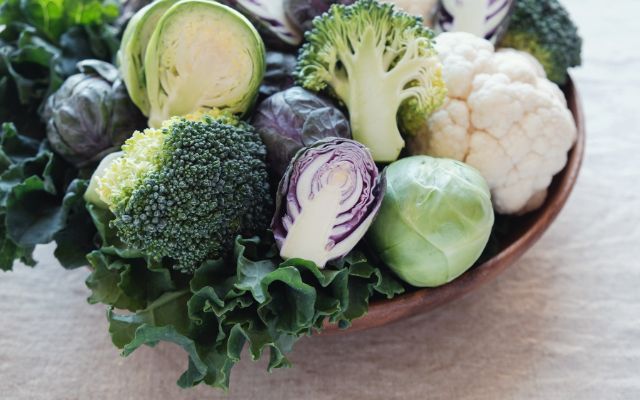
1 cruciferous vegetables
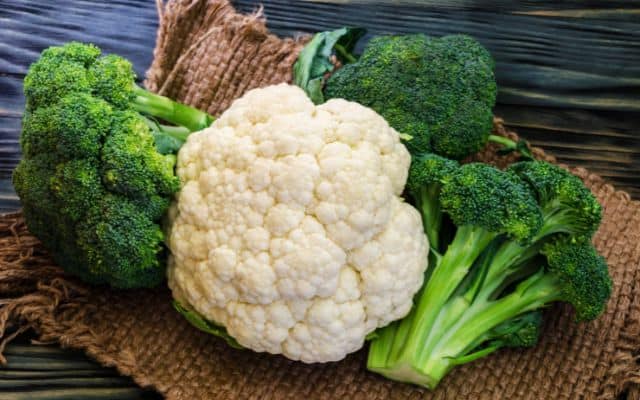
Cruciferous vegetables like broccoli, Brussels sprouts, cauliflower, and kale are essential for reducing excess estrogen and supporting estrogen metabolism.
These vegetables contain compounds like indole-3-carbinol (I3C) and DIM (diindolylmethane), which promote the breakdown of harmful estrogen metabolites and support liver detoxification.
Cruciferous vegetables are also high in fiber, helping to bind estrogen in the digestive tract and remove it from the body with bowel movements.
Aim to include at least one serving of cruciferous vegetables daily in your meals
You can serve steamed Brussels sprouts as a side dish or use them in a salad. Roasted Brussels sprouts are delicious ,too.
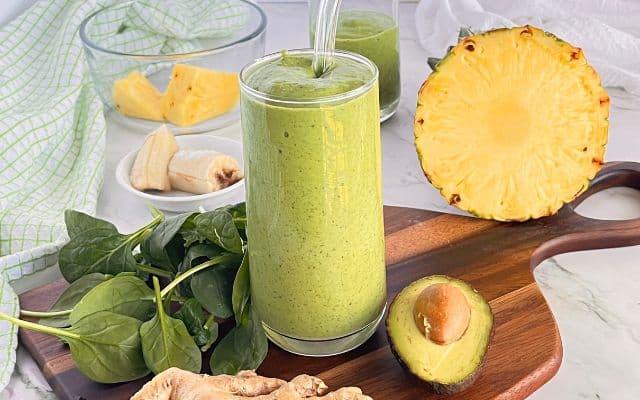
Include cruciferous veggies in salads to a salad or blend kale into a smoothie.
So there are so many ways to use these veggies to balance your estrogen levels.
2. Bitter greens
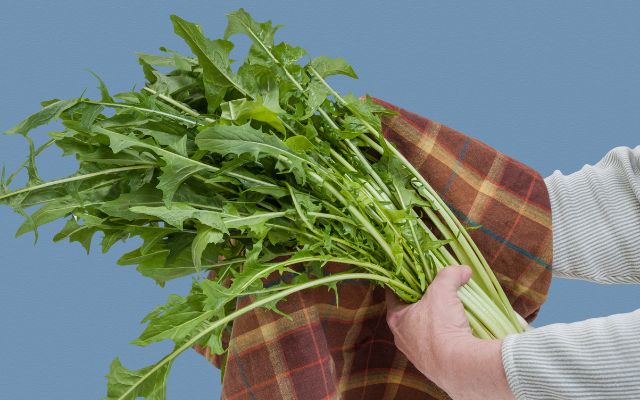
Bitter greens like dandelion greens, arugula, and mustard greens play an important role in promoting liver function, which is crucial for detoxifying high levels of estrogen.
These greens stimulate bile production, aiding in the elimination of excess body fat and stored estrogen.
Their high nutrient content also supports adrenal health, reducing cortisol levels associated with chronic stress.
This is important because too much cortisol, as occurs in stress reduces the production of progesterone.
And low progesterone means estrogen is high, causing an imbalance in these two hormones.
Add bitter greens to your favorite salads or sautée them with garlic and olive oil for a nutrient-packed side dish.
3. Fiber-rich diet
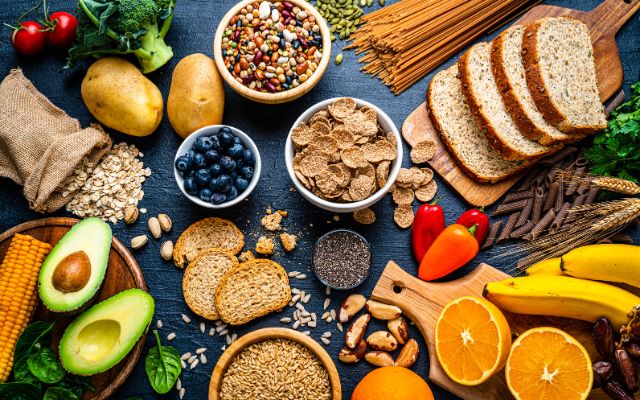
A high-fiber diet is key to eliminating excess estrogen through the digestive tract.
Foods like chia seeds, flaxseeds, quinoa, and whole grains not only help bind estrogen but also support a healthy gut microbiome.
Fiber supports gut health by preventing intestinal dysbiosis and leaky gut, which can lead to the reabsorption of estrogen.
Studies suggest a fiber-rich diet can reduce the risk of uterine cancers and ovarian cancer by promoting hormone balance.
Sprinkle chia seeds on yogurt, or swap white rice for fiber-rich quinoa in your meals.
4. Healthy fats
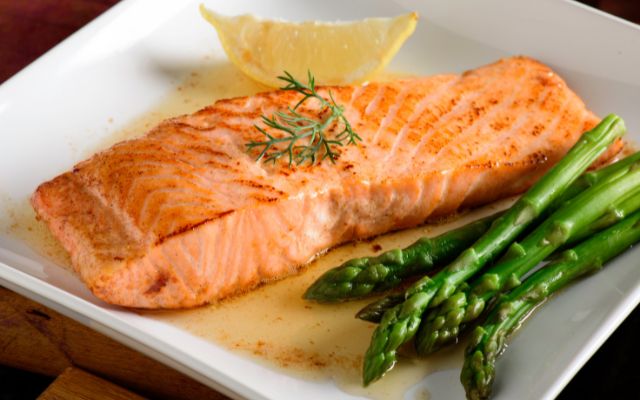
Healthy fats, such as those found in olive oil, avocados, and fatty acids from fish like salmon, are vital for producing and balancing female hormones like estrogen and progesterone.
These fats have a positive effect on reducing inflammation and improving insulin sensitivity, which is crucial for managing polycystic ovary syndrome (PCOS) and balancing hormone levels.
Drizzle olive oil over roasted vegetables or enjoy a handful of walnuts for a heart-healthy snack.
5. Fermented foods
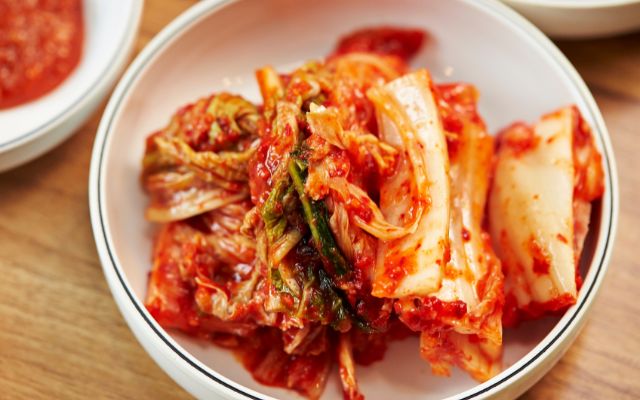
Your gut microbiome plays a significant role in processing and eliminating estrogen.
Incorporating fermented foods like sauerkraut, kimchi, and yogurt (or non-dairy alternatives) can improve gut health and reduce estrogen exposure.
These foods prevent intestinal dysbiosis, a condition linked to the reabsorption of estrogen in the gut.
Add a spoonful of fermented veggies to meals or try a small glass of kombucha as an afternoon pick-me-up.
6. flaxseeds
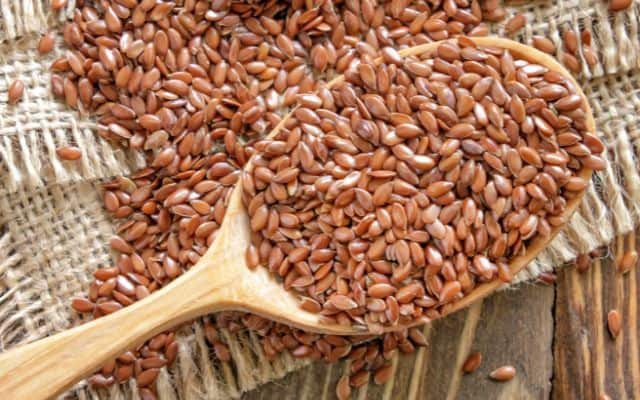
Flaxseeds are a powerhouse when it comes to regulating hormone levels. They are rich in lignans, plant compounds that mimic estrogen and help block estrogen receptors, reducing the impact of excess estrogen.
High in fiber, they also aid in the elimination of estrogen through the digestive system.
Blend flaxseeds into smoothies or sprinkle them on oatmeal for a hormone-balancing boost.
7. Beets and carrots
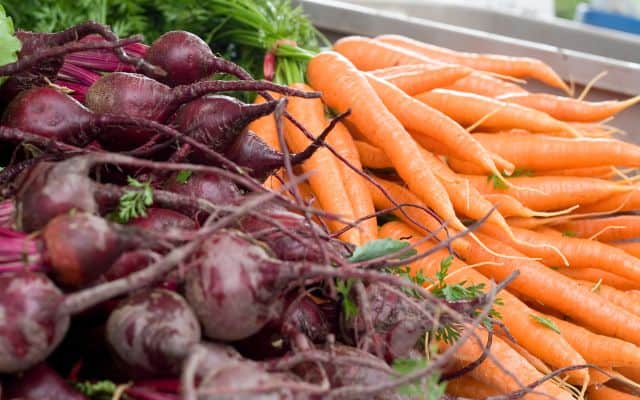
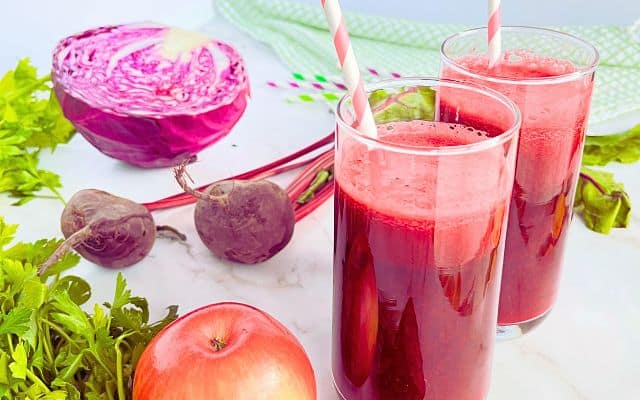
Beets and carrots contain nutrients like betaine and carotenoids that support liver function and promote the excretion of estrogen.
Enjoy a simple roasted beet and carrot salad with a splash of olive oil and lemon juice.
foods to avoid in estrogen dominance

While focusing on healthy diet staples, it’s equally important to limit foods that can worsen hormonal imbalances.
- Alcohol -Foods such as alcohol burden the liver and impair estrogen detox.
- Red meat -Red meats and processed animal products may contain synthetic hormones and preservatives that disrupt the balance of sex hormones.
Dairy products -Dairy products can also contribute to high levels of estrogen in some people.
Avoid Refined foods and processed foods:
Here is why:
1. They Contribute to Blood Sugar Imbalances and Insulin Resistance
- Refined carbs and processed foods (like white bread, pastries, and sugary snacks) cause rapid spikes in blood sugar levels.
- This prompts the release of insulin, a hormone that helps regulate blood sugar.
- Over time, frequent insulin spikes can lead to insulin resistance, a condition where cells become less responsive to insulin.
- Insulin resistance is closely linked to hormonal imbalances, including estrogen dominance.
- Elevated insulin levels can stimulate the ovaries to produce more estrogen, disrupting hormone levels and increasing the risk of estrogen dominance and polycystic ovary syndrome (PCOS).
2. They Promote Excess Body Fat
- Processed foods are often calorie-dense and low in fiber, which makes overeating more likely. This can lead to weight gain and an increase in fat tissue.
- Fat cells (adipose tissue) produce estrogen. Excess body fat can lead to higher levels of estrogen in the body, exacerbating hormonal imbalances like estrogen dominance.
3. They Lack Essential Nutrients for Hormonal Health
- Processed foods are typically low in the vitamins, minerals, and antioxidants that support hormone metabolism and detoxification.
- Nutrients like B vitamins, magnesium, and zinc are crucial for liver function and estrogen metabolism. Without these nutrients, the body may struggle to break down and eliminate excess estrogen effectively.
4. They Disrupt Gut Health
- Refined carbs and processed foods can feed harmful gut bacteria, leading to intestinal dysbiosis—a condition where the balance of good and bad bacteria in the gut is disrupted.
- A healthy gut microbiome is essential for proper estrogen metabolism. The gut helps excrete excess estrogen via the digestive tract. When gut health is compromised, estrogen may be reabsorbed into the bloodstream, increasing estrogen levels.
5. They Contain Endocrine Disruptors
- Many processed foods are packaged in materials that contain endocrine-disrupting chemicals like bisphenol A (BPA). These chemicals mimic estrogen and interfere with hormone balance, contributing to symptoms of estrogen dominance.
6. They Can Worsen Inflammation
- Processed foods are often high in trans fats, refined sugars, and additives that promote inflammation. Chronic inflammation can impair the function of the liver and adrenal glands, making it harder for the body to detoxify estrogen and maintain hormonal balance.
7. They Increase the Risk of Chronic Stress
- Processed foods and high-sugar diets can lead to energy crashes, causing the body to rely on stress hormones like cortisol to stabilize blood sugar. Chronic stress from poor diet and lifestyle can deplete progesterone levels, creating an environment for estrogen dominance.
Other lifestyle changes to manage estrogen dominance
Beyond food, addressing lifestyle factors is crucial.
Drink plenty of water to support detoxification.
Regular exercise helps reduce adipose tissue, which stores estrogen. Getting enough sleep improves adrenal and liver function, promoting hormonal balance.
Avoid endocrine disruptors in personal care products and plastics (e.g. bisphenol A).
Adopting an estrogen-dominant diet with these foods and lifestyle changes can have a profound positive effect on your overall health.
when you’re dealing with symptoms of estrogen dominance, eating foods that detox estrogen is very important.
Taking steps such as those discussed in this post is a great way to support your estrogen balance and general hormone balance.
This, in turn, helps you manage body weight, improve your menstrual cycle, enhance your reproductive health, and improve your mental health and mood.
If you’re struggling with severe symptoms or have concerns about conditions like polycystic ovary syndrome, consult a healthcare provider to explore the best treatment options for you.
Keep in mind that untreated excess estrogen can have serious consequences including some cancers.
So seek care from a healthcare provider.
Also take steps to protect your health, and detox excess estrogen with an estrogen dominance diet.